A couple sits down after dinner, opens a credit card statement, and asks the same question many households ask every month. Where did all the money go? One partner remembers groceries and a utility bill. The other points to takeout, a pharmacy run, and a streaming charge. Neither person is being careless. They just don't have one shared view.
That gap creates stress fast. A missing receipt starts to feel like a trust problem. A category like “shopping” becomes an argument because it lumps together socks, gifts, household supplies, and impulse buys. What many couples need isn't stricter rules. They need a calmer system.
An expense tracker for couples works best when it supports teamwork, not surveillance. It gives both partners one place to record shared spending, sort it into clear categories, and review it without trying to reconstruct the month from memory. For couples who want a simpler starting point, budgeting as a couple with a shared routine can turn money talks into shorter, more useful check-ins.
Table of Contents
- From Money Stress to Financial Teamwork
- Understanding Your Shared Financial Map
- Comparing Common Expense Tracking Methods
- How to Choose the Right Tracker for Your Relationship
- Practical Workflows for Shared Money Management
- Your 5-Minute Quick Start to Shared Tracking
From Money Stress to Financial Teamwork
A common pattern goes like this. One partner pays for groceries, the other covers dinner out, and both assume the month is mostly on track. Then rent, subscriptions, school costs, and one random home purchase land in different accounts, and the household no longer knows what “normal spending” even means.
That confusion often has nothing to do with math skills. It usually comes from scattered information. Some transactions live in bank apps, some in text messages, some in memory, and some never get talked about at all.
Stress usually starts with missing context
Couples rarely argue about a category name. They argue about what a purchase meant. Was it personal, shared, urgent, or optional? Without a shared log, every spending review turns into detective work.
A good tracker doesn't assign blame. It creates a record both people can trust.
The strongest mindset shift is simple. The tool is not there to “watch” a partner. It's there to reduce the number of unanswered questions. Once both people can see the same information, talks about groceries, rent, dining, and recurring bills become shorter and less emotional.
Teamwork gets easier when the rules are visible
A couple doesn't need a perfect budget on day one. They need a repeatable way to answer basic questions:
- What counted as shared spending
- Who paid for it
- Which category it belongs to
- Whether it stayed inside the monthly plan
That last part matters because many of the strongest workflows for couples focus on transaction-level clarity, not vague account watching. When partners can tag spending clearly and review it together, they spend less time debating the past and more time adjusting the future.
Understanding Your Shared Financial Map
A shared tracker is like a road map for household money. It shows where income enters, where spending exits, and where the couple may be drifting off course. Without that map, people drive by feel. With it, they can spot a wrong turn before the month is gone.

What a shared tracker actually does
An expense tracker for couples is more than a place to list purchases. It creates a single system for shared visibility. Modern tools also reflect older budgeting styles. Bank of Sun Prairie's overview of couple budgeting apps notes that Goodbudget digitizes the envelope method and YNAB uses zero-based budgeting, while common workflows now include inviting a partner, setting a monthly shared budget, and categorizing expenses in real time.
That matters because many readers still think of shared budgeting as a spreadsheet updated once in a while. The newer model is steadier. Instead of waiting until the end of the month, couples can keep categories current as they spend.
What couples usually need to see
Most couples don't need advanced accounting. They need a clean answer to a short list of questions.
Income sources
Salary, freelance pay, reimbursements, and any regular inflows should be visible somewhere in the same system.Shared categories
Housing, food, transportation, bills, savings, and personal spending need labels that make sense to both people.Monthly boundaries
A tracker helps couples decide what “too much” looks like before overspending happens.Review points
A system works better when partners check it regularly instead of waiting for frustration.
Practical rule: If both partners wouldn't categorize a transaction the same way, the category needs a clearer definition.
The benefit isn't only cleaner data. It's calmer conversation. A shared map gives the couple neutral ground. Instead of “Why did this happen?” the discussion becomes “How should this be labeled, and do the rules still fit our life?”
Comparing Common Expense Tracking Methods
Couples usually land on one of three methods. They write expenses down by hand, keep a spreadsheet, or use an app. None of those is automatically right or wrong. The best fit depends on privacy needs, patience for upkeep, and how often both partners want to interact with the system.
Three ways couples usually track spending
Manual tracking is the simplest to understand. A notebook, a printed ledger, or even a whiteboard can work for couples with very few transactions and strong routines. The downside is consistency. If one partner forgets to log a purchase, the whole picture becomes incomplete.
Spreadsheets add flexibility. Couples can create custom columns for date, amount, category, payer, and whether the expense was shared. This method works well for detail-oriented households, but it still depends on regular manual entry and a shared habit of updating it.
Apps reduce more of the daily friction. The shift toward app-based household finance became a mainstream milestone in the late 2010s and 2020s, with roundups for couples commonly featuring tools such as Honeydue, Monarch Money, PocketGuard, EveryDollar, and YNAB. NerdWallet's budget app guide notes that Monarch Money can add a household member at no extra cost and that Honeydue lets both partners sync accounts and set monthly limits with alerts. That change normalized shared visibility, automatic categorization, and multi-user access.
Expense Tracking Methods Compared
| Method | Best For | Privacy | Effort Level | Cost |
|---|---|---|---|---|
| Manual notebook or paper ledger | Couples with very simple shared bills and a strong check-in habit | High, because nothing has to be linked | High daily effort | Often low or none |
| Spreadsheet | Couples who want full control over categories and formulas | High, because entries can stay manual | Moderate to high | Often low or none |
| Dedicated app | Couples who want easier collaboration and faster searching | Varies by app and setup | Lower day-to-day effort once set up | Varies |
A useful way to compare them is by failure point.
- Manual systems fail on follow-through. One missed entry can throw off the month.
- Spreadsheets fail on maintenance. Someone has to keep the sheet organized.
- Apps fail on fit. If the tool feels intrusive or confusing, couples stop using it.
The strongest method is the one both partners will still use when life gets busy.
For many households, the question isn't “Which method has the most features?” It's “Which method will still feel manageable after a long workday, a grocery run, and a pile of recurring bills?”
How to Choose the Right Tracker for Your Relationship
Feature lists can distract couples from the actual choice. The first decision isn't whether the app has charts, alerts, or account syncing. It's whether the system matches how the relationship already handles money.
Start with the relationship, not the feature list
Some couples want every shared transaction in one place but prefer not to connect bank accounts. Others want less typing and are comfortable with account aggregation. Both approaches can work.
The tradeoff is worth taking seriously. Stash's review of budgeting apps for couples describes two robust workflows: account aggregation and a shared manual ledger. Bank-linked tools reduce manual entry, but they can create connectivity dependence and privacy concerns. Manual-entry tools give couples more control, which matters when invisible or uncategorized transactions create gaps in the budget picture.
A couple that is already tense about money usually benefits from a lower-pressure setup. Privacy, simplicity, and category clarity often matter more at the start than automation.
Questions that narrow the choice
A practical decision framework looks like this:
How private does the system need to be
If one or both partners dislike linking institutions, a manual shared ledger may feel safer and easier to trust.How detailed should the tracking be
Some households only need rent, groceries, utilities, and dining. Others want reimbursements, subscriptions, child costs, and travel split out separately.How often will both people update it
A beautiful tool won't help if only one partner touches it.How complex is the household money flow
Couples managing side income, mixed-purpose purchases, or separate and shared accounts need clearer labels and search tools.
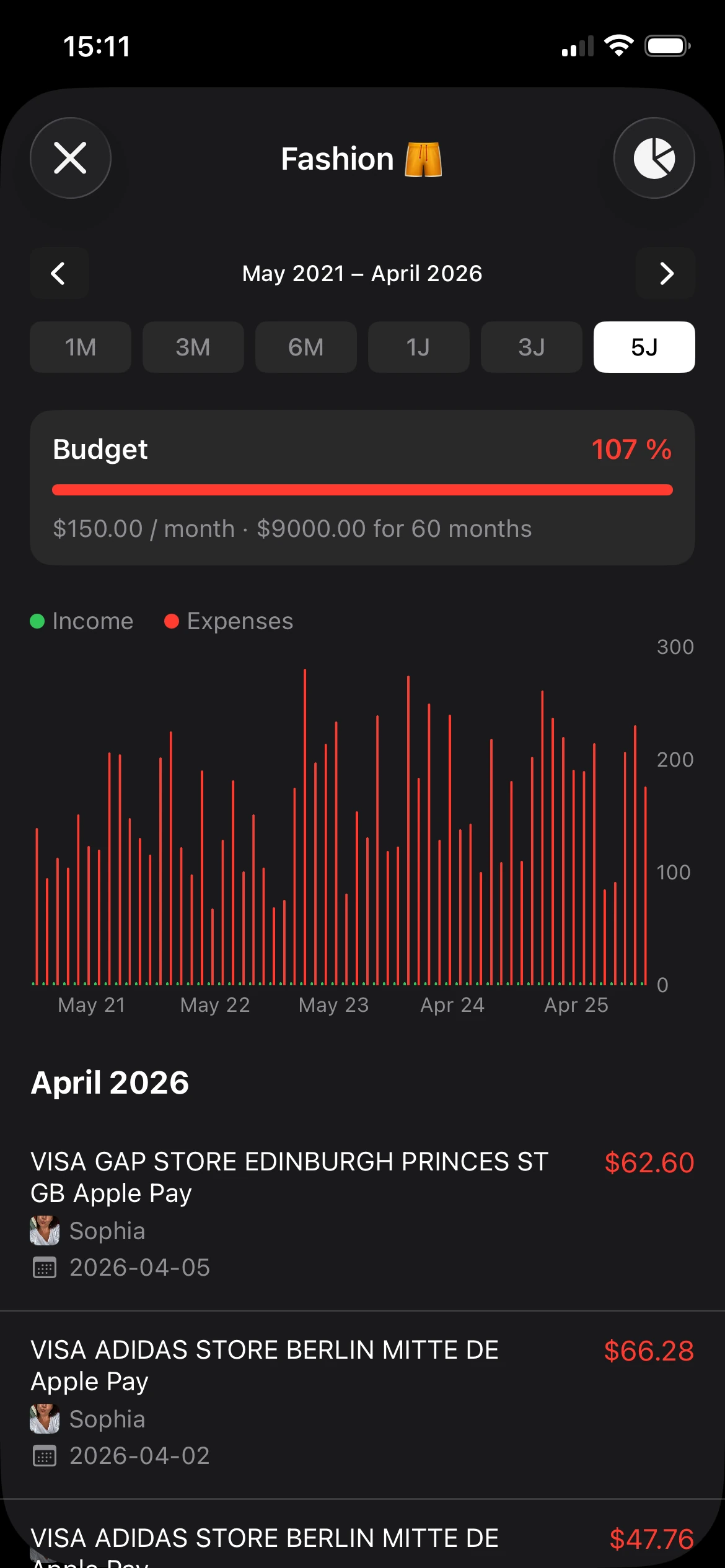
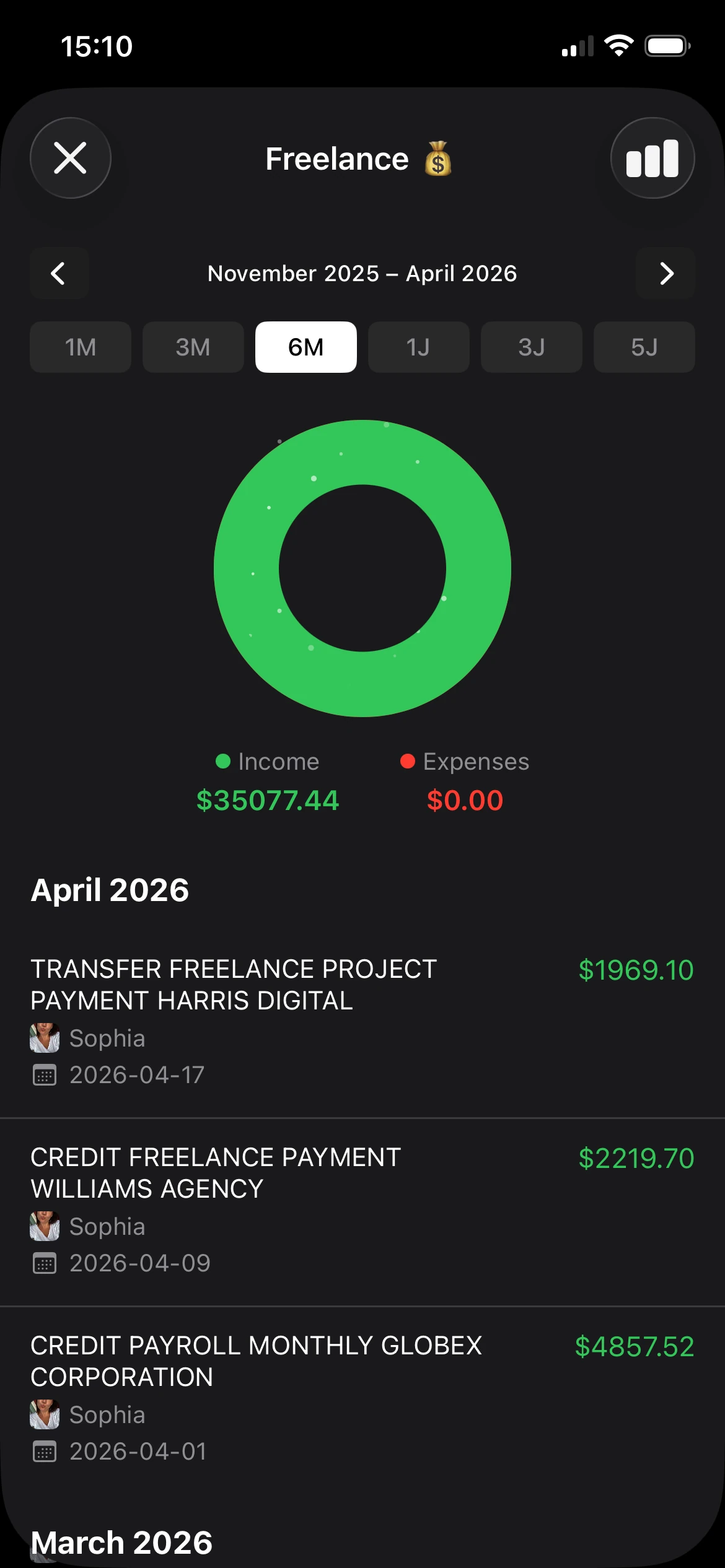
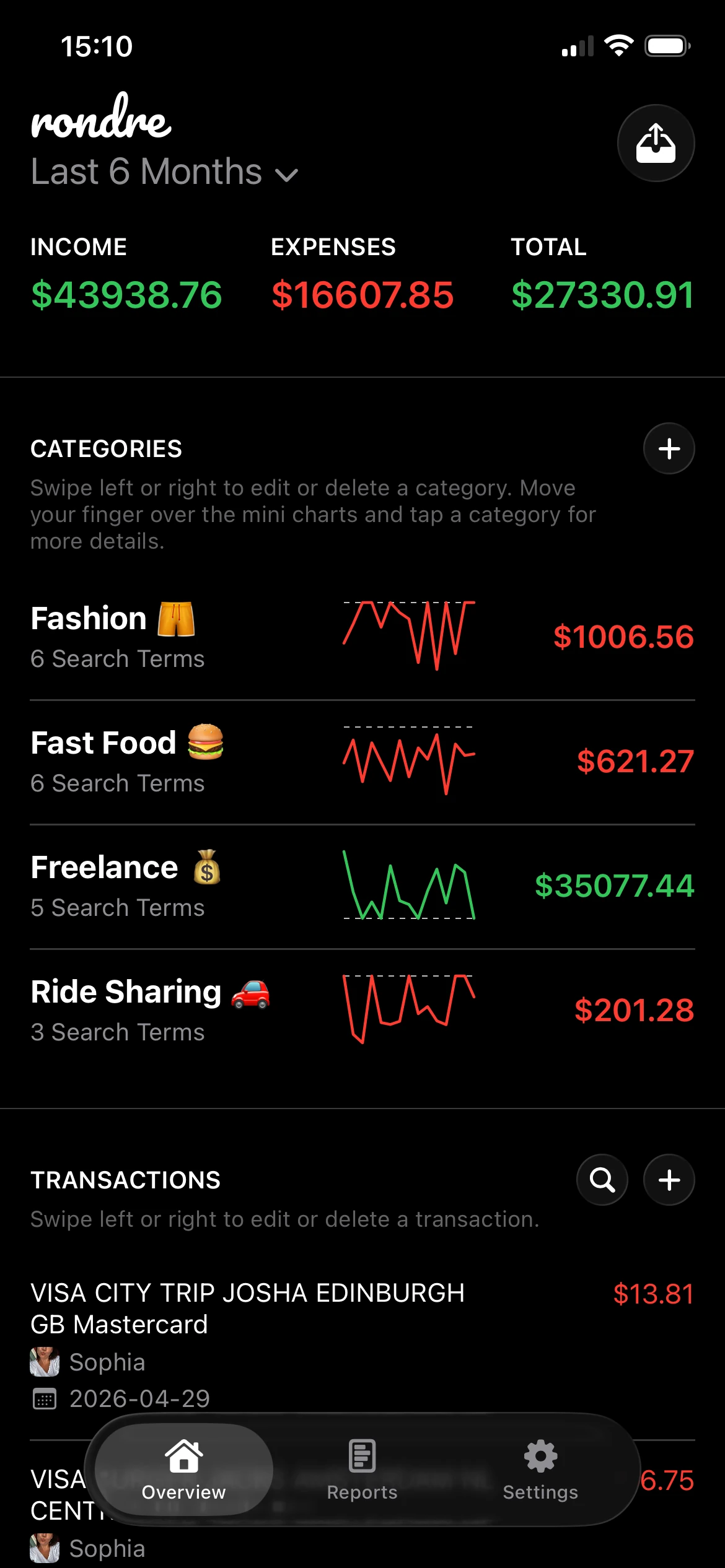
One practical option in this category is rondre's guide to budgeting apps for couples, especially for readers who want to compare simpler setups. A tool such as rondre can also fit a privacy-first approach because it supports manual transaction tracking, custom categories, CSV and PDF imports, and shared books without requiring an account.
The right tracker should lower tension, not add another login, another sync issue, or another point of disagreement.
The simplest useful system usually wins. Couples can always add more complexity later. It's much harder to rescue a system that felt heavy from the start.
Practical Workflows for Shared Money Management
The best shared money systems don't start with abstract rules. They start with real household patterns. A couple can split shared costs unevenly, combine everything into one pool, or keep personal and freelance money separate while still tracking joint expenses cleanly.
A strong operating rule is to track at the transaction level with clear ownership, not just by watching balances. Origin's budgeting app roundup for couples describes this shared-space model, where expenses are assigned to shared categories and can be filtered by person. That makes reconciliation faster and helps couples spot overspending in categories like groceries, dining, and rent.

Scenario one with uneven incomes
One partner earns more, so the couple doesn't split every bill evenly. They still want fairness and clarity.
A simple workflow looks like this:
- Create shared categories for rent, groceries, utilities, transportation, and dining.
- Log each transaction with the payer name so both people can see who covered it.
- Mark whether the expense was shared or personal when it's entered.
- Review the shared categories together during a monthly check-in.
- Settle up based on the couple's chosen rule, whether that's proportional contribution or a fixed reimbursement pattern.
This approach prevents a common problem. Without payer labels, a shared category total may be accurate while the split between partners remains murky.
Scenario two with one household pot
Some couples treat all income as household money. In that case, the key isn't splitting expenses. It's making categories easy to scan.
Useful categories often include:
- Core bills for rent, utilities, insurance, and subscriptions
- Food spending split into groceries and dining, since those behave differently
- Household needs for toiletries, cleaning supplies, and home basics
- Flexible spending for fun money, hobbies, and gifts
- Savings transfers so progress stays visible
A shared tracker helps both partners answer one question quickly. Which categories are running hot this month?
For grocery-heavy households, a monthly food budget for two can help define realistic food categories before the tracking starts.
Couples usually get better results when they review categories that move often, instead of staring at the full account balance and guessing.
Scenario three with freelance or side income
This setup gets messy fast. One partner may buy software, supplies, or travel for freelance work, while the household still shares rent and groceries. If those transactions all land in one undifferentiated stream, confusion follows.
A cleaner workflow is to separate by purpose:
- Personal expenses
- Shared household expenses
- Freelance or business-related expenses
Some couples do this with separate books or ledgers. Others do it with categories and tags. Either way, the goal is the same. Household spending should stay visible without getting mixed up with business reimbursements or project costs.
That separation makes monthly conversations easier. The couple can talk about shared living costs without pulling every work-related transaction into the same discussion.
Your 5-Minute Quick Start to Shared Tracking
Most couples delay expense tracking because they assume setup will be long, technical, or emotionally loaded. It doesn't need to be. A useful start can happen in a few minutes if the goal is modest.

A simple setup that avoids overwhelm
A low-friction start usually works best:
Pick one shared spending area
Groceries, dining out, or household bills are easier starting points than “track everything.”Create only a few categories
Rent, groceries, dining, utilities, and misc household is enough for a first pass.Add one recent transaction together
The point is to practice the habit, not to rebuild months of history tonight.Agree on one review time
A short weekly or monthly check-in keeps the system alive.
For iPhone users who want a private setup, a no-account tool can remove a lot of resistance. That's one reason some couples start with a simple shared ledger instead of a fully connected finance app.
The first review conversation
The first money check-in should stay narrow. A calm script helps:
- Look at the shared categories
- Confirm which expenses were shared
- Fix any unclear labels
- Note one category that needs a boundary next month
That's enough. A first review doesn't need to solve debt, retirement, travel savings, and every future goal in one sitting. It only needs to prove that shared tracking can feel clear instead of tense.
The practical takeaway is small on purpose. Today, a couple can choose one category, log one shared expense, and schedule one short review. That single action starts the habit that makes bigger money decisions easier later.
A simple place to try that habit is rondre, a free iPhone finance tracker that lets people record expenses, create custom categories, import CSV files and PDF bank statements, and share a book with a partner or family without creating an account. For couples who want to start with privacy and clarity, that kind of low-friction setup can make the first shared money conversation much easier.