That sinking feeling hits fast. The car starts making a noise, the dog needs a vet visit, the water heater quits, and the checking account suddenly has a new enemy. The panic isn't because the bill exists. It's because the money wasn't waiting.
A sinking fund fixes that. It is money set aside for one specific future expense. The idea is older than commonly understood. In corporate finance, a sinking fund meant setting aside money regularly to retire debt before maturity, which reduced default risk and gave investors more confidence in repayment, as explained by Corporate Finance Institute's overview of sinking funds. In everyday budgeting, the same idea works for planned costs like car repairs, insurance, gifts, and travel.
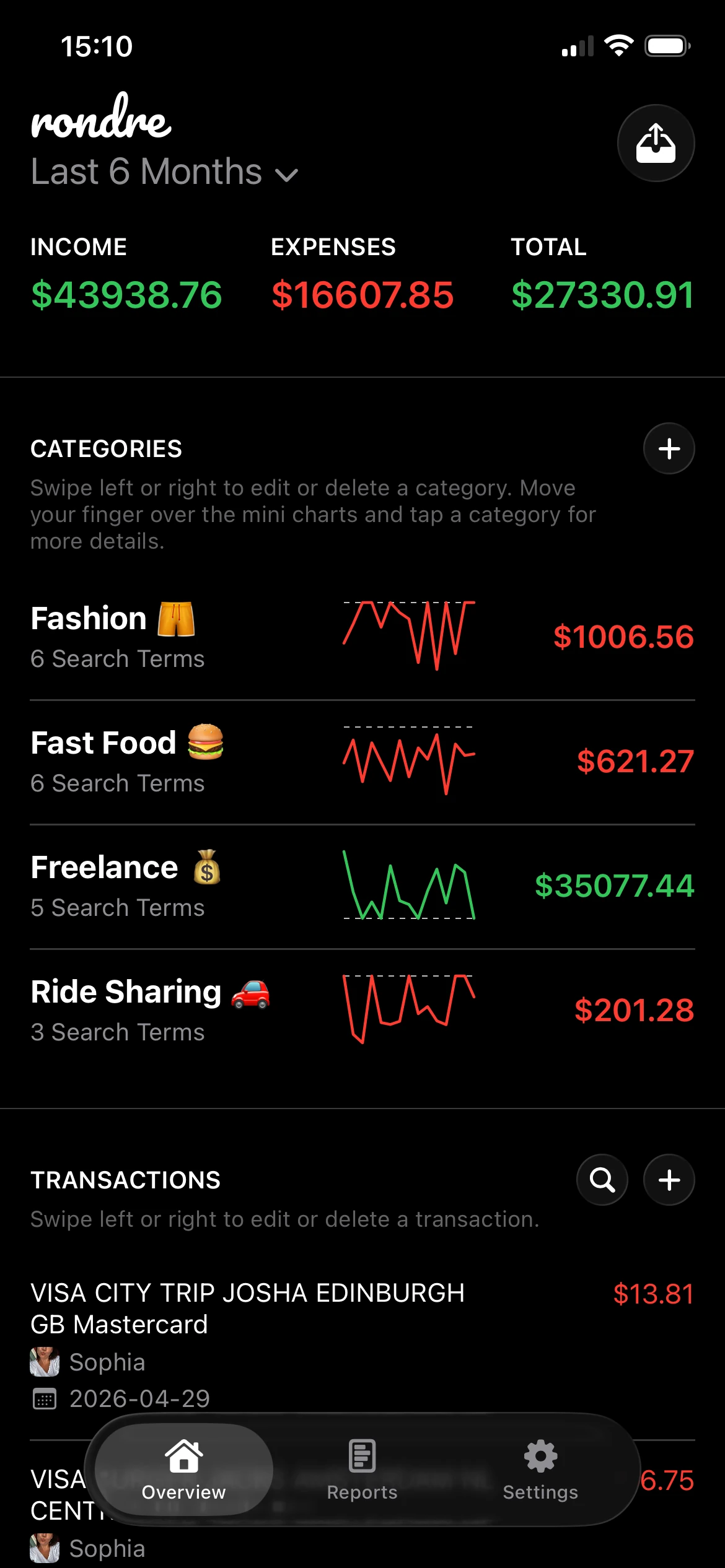
The best sinking fund examples aren't complicated. They're practical, boring, and effective. They turn irregular expenses into monthly decisions instead of last-minute crises. This guide gets straight to the list and shows how to track each one in rondre, including simple CSV row examples that can be imported or recreated as categories and transactions.
Table of Contents
- 1. Emergency Fund
- 2. Home Maintenance and Repairs Fund
- 3. Vehicle Maintenance and Replacement Fund
- 4. Vacation and Travel Fund
- 5. Education and Skill Development Fund
- 6. Insurance Deductible and Co-Pay Fund
- 7. Christmas and Holiday Gift Fund
- 8. Pet Care and Veterinary Fund
- 8-Point Sinking Fund Comparison
- Your Action Plan Start Your First Sinking Fund Today
1. Emergency Fund

The car breaks down on Tuesday, a child needs urgent care on Thursday, and a slow client payment hits a freelancer the same week. That is why an emergency fund deserves the first spot on this list. The timing is unpredictable, but the need is not.
An emergency fund sits a little outside the classic sinking fund pattern because you are not saving for one known bill with a known due date. You are building a buffer for the messy parts of real life. Medical costs, urgent repairs, temporary income gaps, and other unplanned expenses all belong here.
I usually tell people to start here when every other savings goal keeps getting pulled back into checking. If there is no cash buffer, one bad week can wipe out progress across the whole budget.
For couples, a shared rondre book helps because both partners can see the balance, the contribution history, and any withdrawals without guessing. For families, that visibility cuts down on the usual confusion around who spent what and how much is available. For freelancers, this fund does double duty. It covers emergencies and gives irregular income somewhere to land during uneven months.
Why this one comes first
This fund gives the budget breathing room. Without it, routine setbacks often end up on a credit card, and then a short-term problem turns into interest charges and minimum payments.
Practical rule: If a household keeps using a credit card for urgent but ordinary life expenses, the first savings category should usually be emergency reserves.
Keep this money separate from groceries, rent, and day-to-day spending. A checking account balance is not a real emergency fund if it has to survive bills, impulse purchases, and automatic withdrawals. rondre helps by giving the category its own history, which makes it easier to protect.
A short, focused savings sprint can help get the first few deposits in place. If you want structure, rondre's guide to the free printable 100 envelope challenge can be adapted into an emergency-fund boost.
Simple rondre CSV example
These rows are simple on purpose. They are ready to import and show how different users might name the same fund based on how they earn and spend.
- Individual reserve:
2026-01-05,Transfer to savings,Emergency Fund,Monthly contribution - Family reserve:
2026-01-12,Household transfer,Emergency Fund,Shared book contribution - Freelancer buffer:
2026-01-20,Owner transfer,Emergency Fund,Income smoothing reserve
2. Home Maintenance and Repairs Fund
The dishwasher quits the same month the HVAC needs service and a roof leak shows up after heavy rain. That is how homeownership usually hits. Not as one dramatic expense, but as a steady run of repairs, upkeep, and replacements that ignore your paycheck calendar.
A home maintenance sinking fund turns those uneven costs into a planned monthly job. It works best when you stop treating the whole house as one vague category. Repairs happen on different timelines, and your savings should reflect that.
A practical starting point is to choose a monthly amount based on the age of the home, the condition of major systems, and whether you already know big work is coming. Newer properties may get by with a lighter contribution for a while. Older homes, fixer-uppers, and houses with aging roofs, furnaces, or appliances usually need a larger set-aside. If your irregular expenses keep catching you off guard, rondre's guide to managing non-recurring expenses is a useful next read.
What makes this fund work
The mistake I see often is one catch-all “House” bucket. It looks organized, but it hides underlying pressure points. A broken dishwasher should not raid money you meant to build for a roof. Annual HVAC service should not compete with a future water heater replacement.
Split the category by timeline and purpose inside rondre:
- Routine upkeep: filters, pest control, servicing, minor repairs
- Near-term replacements: appliances, small fixtures, carpeting, paint
- Major systems and exterior: roof, siding, windows, plumbing, electrical, HVAC
That structure helps different households make better decisions.
- Individual homeowner: keep categories simple and focus on the next likely repair
- Family household: separate shared priorities so one surprise bill does not create conflict
- Freelancer or variable-income owner: build a larger buffer for months when business cash flow is uneven
Buddle's guidance on sinking funds for future replacements follows the same logic used in replacement planning. Estimate future costs, save toward them over time, and review the target regularly as prices and priorities change. That is just as useful at home as it is in facility planning.
Simple rondre CSV example
These rows are ready to import and show how different users might set up this fund in practice.
- Individual homeowner:
2026-01-03,Transfer to savings,Home Upkeep,Monthly repair reserve - Family household:
2026-01-03,Household transfer,Roof Replacement,Shared long-term home expense - Freelancer homeowner:
2026-01-03,Owner transfer,Appliance Replacement,Income-variable planning for home systems
3. Vehicle Maintenance and Replacement Fund

Cars punish vague budgeting. Oil changes are routine, tires wear out, registration comes due, brakes don't ask for permission, and older vehicles usually need more attention at the exact moment cash feels tight. A vehicle sinking fund turns all of that into a planned cost.
This category is especially useful for families with multiple cars and for self-employed workers who need to understand the true cost of staying mobile. In rondre, separate categories such as “Car A Maintenance” and “Car B Maintenance” keep one vehicle from hiding the full cost of the other.
The car budget trap
The common mistake is saving only for routine maintenance and forgetting replacement pressure. A car that's paid off still needs a monthly line in the budget. Otherwise, drivers enjoy a few “cheap” months, then absorb a painful repair or scramble when the next vehicle becomes necessary.
Good sinking fund examples for cars usually include more than one sub-bucket:
- Maintenance: oil changes, tires, brakes, servicing
- Admin costs: registration, inspection, insurance-related fees
- Repair reserve: unexpected but likely fixes
- Replacement reserve: long-term next-car planning
rondre is especially helpful here because it can pull in transactions from CSV files or PDF statements, then make old repair patterns searchable. That matters because non-recurring expenses are rarely random. They repeat in uneven cycles. rondre's article on managing non-recurring expenses pairs well with this category setup.
A practical household version is to name each category after the actual vehicle. A freelancer can also tag vehicle transactions separately from personal spending to avoid understating business overhead.
Simple rondre CSV example
- Single driver:
2026-01-08,Transfer to savings,Car Maintenance,Monthly vehicle reserve - Two-car family:
2026-01-08,Transfer to savings,Car A Maintenance,Primary vehicle - Freelancer replacement reserve:
2026-01-08,Transfer to savings,Vehicle Replacement,Future work vehicle
4. Vacation and Travel Fund

A trip gets booked in ten minutes. Paying for the full trip usually stretches across six months of ordinary life. That gap is where travel budgets fail.
The ticket price is only the start. Lodging, meals, baggage fees, airport parking, local transportation, pet care, and spending money show up in separate moments, which makes the total easy to underestimate. A vacation sinking fund fixes that by turning one big irregular cost into smaller monthly deposits you can manage.
Travel funds also keep morale up. Emergency and repair categories matter, but a rewarding goal often helps people stick with the system long enough to make the whole budget work.
Set up the fund around the real trip
Broad labels cause sloppy saving. "Travel" is too vague to guide decisions. "July family beach trip" or "Thanksgiving flights home" gives you a target, a timeline, and a clearer estimate.
I usually recommend splitting this category by trip or by major cost group, depending on the household:
- Individual: one category per trip, such as Weekend Travel or Europe 2026
- Family: separate Transportation, Lodging, and Trip Spending so one cost does not take over the full budget
- Freelancer: split personal travel from conference or client travel to avoid mixing lifestyle spending with business planning
The math stays simple. Estimate the total cost, count the months until you need the money, and divide. A $1,200 trip due in eight months calls for $150 per month. As noted earlier, that basic sinking fund formula works well. The hard part is being honest about the full cost upfront.
That is why this category deserves more detail than people expect. Travel often gets mislabeled as random fun money, then ends up competing with groceries, debt payments, or business cash flow. If you need help separating planned leisure from flexible spending, rondre's guide to discretionary spending categories and trade-offs is a useful reference.
A good rule is simple. Save for the parts you know are coming. Leave a small flexible buffer for the parts you cannot price perfectly.
Simple rondre CSV example
- Solo traveler:
2026-01-02,Transfer to savings,Weekend Travel,Quarterly city break fund - Family trip:
2026-01-02,Transfer to savings,July Family Beach Trip,Monthly lodging and travel reserve - Freelancer setup:
2026-01-02,Transfer to savings,Conference Travel,Flight and hotel for October event
5. Education and Skill Development Fund
Not every sinking fund is defensive. Some are growth tools. Education, training, exams, conferences, books, software classes, and certifications often arrive as lumpy expenses, especially for freelancers and people changing careers.
This category works because the spending is intentional. The person usually knows the class, credential, or school year is coming. The challenge is timing, not awareness. Without a dedicated fund, professional development gets delayed or charged impulsively.
A fund for future earning power
Parents can use this category for school-related savings. Freelancers can use it for certification fees, portfolio courses, or industry events. Employees can use it for tuition, exam prep, or a future degree plan. In each case, one broad “education” bucket usually isn't enough.
A better setup inside rondre looks like this:
- Child education: for tuition-related planning or school costs
- Career development: for certifications, licensing, or trade skills
- Learning tools: for courses, books, and conference expenses
The strongest version of this fund includes a target date. Skills spending drifts when there's no deadline. A category like “Project Management Exam” creates focus in a way “Career Stuff” never will. For a freelancer, that also prevents business growth spending from disappearing into general operating cash.
Simple rondre CSV example
- Parent contribution:
2026-01-15,Transfer to savings,Education Fund,Child future school costs - Freelancer certification:
2026-01-15,Transfer to savings,Professional Certification,Exam and training - Employee upskilling:
2026-01-15,Transfer to savings,Course Fund,Evening class reserve
6. Insurance Deductible and Co-Pay Fund
Your child needs stitches on a Saturday, the urgent care desk asks for payment, and the bill lands before the month is over. The insurance worked. The cash problem still showed up.
That is why this sinking fund earns a dedicated spot in a real budget. Deductibles, co-pays, prescriptions, specialist visits, and claim-related costs rarely arrive on a neat schedule. They hit when you are already dealing with stress, paperwork, or time off work. A separate fund keeps one medical visit, fender bender, or home claim from pulling money out of groceries, travel, or debt payoff.
This category matters most for three groups. Families usually face more frequent co-pays and urgent care visits. Multi-car households carry more chances for collision or glass claims. Freelancers and self-employed workers often have higher out-of-pocket exposure and less room for surprise expenses in a variable-income month.
Name the fund after the bill you expect
Generic labels create sloppy saving. “Medical stuff” gets ignored. “Health deductible” gets funded. The same goes for auto and home coverage.
A practical rondre setup looks like this:
- Health deductible: for co-pays, urgent care, prescriptions, and larger medical out-of-pocket costs
- Auto deductible: for collision, non-accident damage, tire damage, or glass claims
- Home insurance reserve: for claim deductibles, temporary fixes, or uninsured cleanup costs
I usually tell people to start with the policy most likely to interrupt cash flow first. For a family, that is often health. For a commuter with one aging car, it may be auto. For a homeowner with a high deductible, home insurance can deserve its own line even if claims are rare. The right order depends on exposure, not theory.
Shared households also benefit from putting these categories in a shared rondre book. Both partners can see what has been set aside, what got used, and whether the fund needs to be rebuilt after a claim. That avoids the common problem where one person assumes “insurance covers it” and the other discovers the deductible at the worst moment.
A deductible fund turns an annoying claim into a manageable cash decision.
Simple rondre CSV example
- Family medical reserve:
2026-01-09,Transfer to savings,Health Deductible Fund,Out-of-pocket medical - Auto policy reserve:
2026-01-09,Transfer to savings,Auto Deductible Fund,Collision claim buffer - Self-employed setup:
2026-01-09,Transfer to savings,Insurance Out-of-Pocket,Policy cost reserve
These examples are simple enough to import and adjust. An individual might only need one health category. A family may want separate health and auto lines. A freelancer may prefer one broader insurance reserve at first, then split it later once spending patterns become clear. The goal is to make the category specific enough that you know what it is for, but simple enough that you will keep funding it.
7. Christmas and Holiday Gift Fund
Holiday spending feels seasonal, but the need to pay for it is annual. Gifts, travel, school breaks, hosting, wrapping, shipping, and special meals often get compressed into a short window. That makes this one of the easiest categories to fund badly.
The fix isn't complicated. Start early, assign a category, and decide who the money is for before shopping starts. Families usually do better with sub-categories by recipient group or event type. Couples often prefer one shared holiday category with notes on gift ideas and completed purchases.
Holiday spending is predictable even when the exact gifts aren't
This fund works best when it includes more than December. Many households also face birthdays, graduations, anniversaries, and family celebrations that create the same cash-flow pressure. Putting all gift-related spending into one annual bucket can make the pattern easier to track.
A smart setup in rondre might look like this:
- Christmas gifts: main year-end giving
- Holiday travel: transport and visits
- Birthdays and family events: recurring non-December gifting
The practical mistake is waiting until the fourth quarter to estimate costs. By then, households are trying to fund the category and spend from it at the same time. Starting earlier spreads the pressure and gives a cleaner picture of what the season really costs.
Simple rondre CSV example
- Parent holiday fund:
2026-01-04,Transfer to savings,Holiday Gift Fund,Gifts for family - Couple exchange fund:
2026-01-04,Transfer to savings,Christmas Fund,Shared seasonal budget - All-occasion setup:
2026-01-04,Transfer to savings,Gifts and Celebrations,Birthdays and holidays
8. Pet Care and Veterinary Fund
Pets create both routine expenses and emotionally urgent ones. Food, grooming, preventive meds, checkups, and vaccines are expected. Illnesses and injuries aren't planned, but they aren't rare either. That makes pet care one of the most realistic sinking fund examples for modern households.
For singles, this category protects cash flow. For families, it prevents one pet emergency from raiding grocery money or the household repair fund. For owners of aging pets, it becomes even more important because care needs often become more frequent and less optional.
Pets need a budget too
A strong setup separates routine care from higher-stress veterinary costs. The person tracking one broad “pet” category often learns too late that food and grooming consumed the money that was mentally reserved for the next vet bill without their realizing.
Consumer guidance on overlooked sinking funds has also pointed out that categories should be revisited more often when costs are moving around. It noted that the Consumer Price Index for all items rose 2.4% over the 12 months ending March 2025, with shelter and food still acting as pressure points, which is a useful reminder that pet-related costs may need more frequent review too, as noted in this discussion of inflation-sensitive sinking funds.
The practical move is to review this category quarterly, especially for older animals or pets on medication. In rondre, transaction notes can also hold useful details such as medication changes, annual exam timing, or recurring supply brands.
Simple rondre CSV example
- Dog owner setup:
2026-01-11,Transfer to savings,Pet Care Fund,Routine and emergency pet costs - Multi-pet family:
2026-01-11,Transfer to savings,Dog Fund,Annual vet and meds - Aging cat reserve:
2026-01-11,Transfer to savings,Cat Vet Fund,Senior pet care
8-Point Sinking Fund Comparison
| Sinking Fund | Implementation Complexity | Resource Requirements | Expected Outcomes | Ideal Use Cases | Key Advantages |
|---|---|---|---|---|---|
| Emergency Fund | Low–Moderate, open liquid account and automate contributions | Accessible cash equal to 3–6+ months living expenses | Immediate financial safety net, reduced borrowing | Job loss, large unexpected bills, freelancers with variable income | Quick liquidity, reduces high-interest debt and stress |
| Home Maintenance and Repairs Fund | Moderate, estimate needs by home age and create subcategories | Regular monthly contributions ~1–2% home value annually; tracking | Funded routine and major repairs, protects property value | Homeowners, older homes, planned remodels | Prevents deterioration, avoids emergency home loans |
| Vehicle Maintenance and Replacement Fund | Low–Moderate, track per vehicle and adjust by mileage/age | Monthly set‑asides based on age/mileage; maintenance logs | Reliable vehicle upkeep and savings for replacement | Daily drivers, small business vehicles, aging cars | Predictable budgeting, avoids sudden repair debt |
| Vacation and Travel Fund | Low, goal-based saving and timeline planning | Regular contributions sized to trip cost and date | Debt-free travel, planned experiences | Annual vacations, family trips, destination travel | Enables guilt-free trips, motivates consistent saving |
| Education and Skill Development Fund | Moderate–High, long timelines and possible tax vehicles | Long-term monthly contributions; possible tax-advantaged accounts | Increased earning potential, reduced student loan need | Parents saving for college, professionals funding certifications | Investment in future income and career mobility |
| Insurance Deductible and Co‑Pay Fund | Low–Moderate, calculate policy terms and set separate categories | Monthly set-asides equal to deductibles/co‑pays across policies | Ready funds for out-of-pocket costs, smoother claims handling | High-deductible health plans, multiple insurance policies | Keeps insurance costs from derailing other budgets |
| Christmas and Holiday Gift Fund | Low, set annual budget and divide monthly | Year-round monthly contributions and recipient subcategories | Fully funded holiday spending, no seasonal debt | Households with regular gift obligations | Eliminates December budget shock, organizes gift giving |
| Pet Care and Veterinary Fund | Low–Moderate, adjust by pet age and health needs | Monthly contributions for routine care plus emergency buffer | Funds for routine visits and urgent vet care | Pet owners, senior or special-needs pets | Ensures timely care, reduces financial barriers to treatment |
Your Action Plan Start Your First Sinking Fund Today
Many don't need eight new categories by tonight. They need one category that solves one recurring problem. That's how sinking funds become sustainable. Start with the bill that keeps showing up at the worst time and build from there.
The strongest sinking fund examples all share the same logic. The expense is foreseeable, the money is separated, and the category is specific enough to guide behavior. That can mean an emergency buffer for a freelancer, a roof reserve for homeowners, a deductible fund for a family, or a holiday fund that prevents the usual year-end credit card hangover.
A practical way to choose the first fund is to ask one question. Which expense causes the most stress when it appears? Not the biggest expense in theory. The one that most often throws the household off course. That answer usually points to the right starting category.
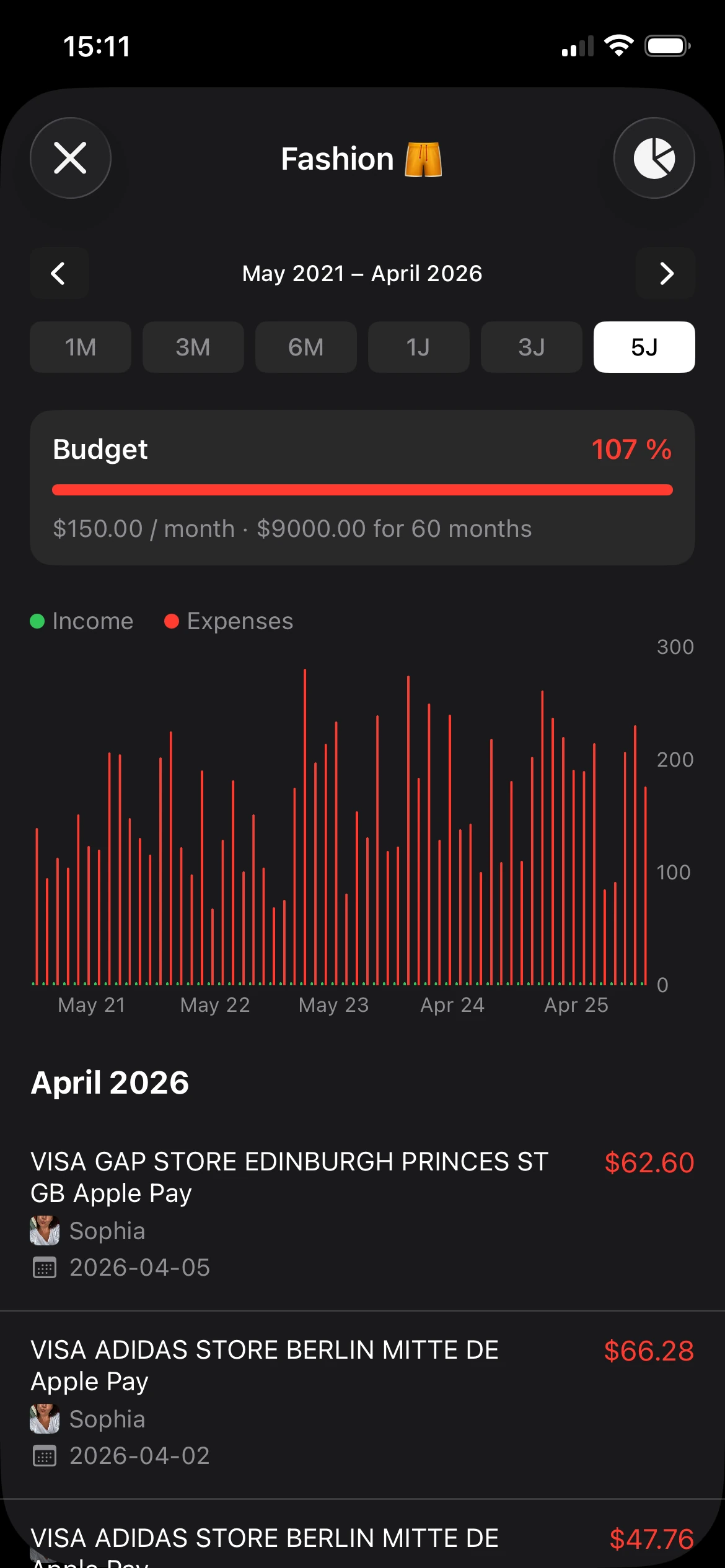
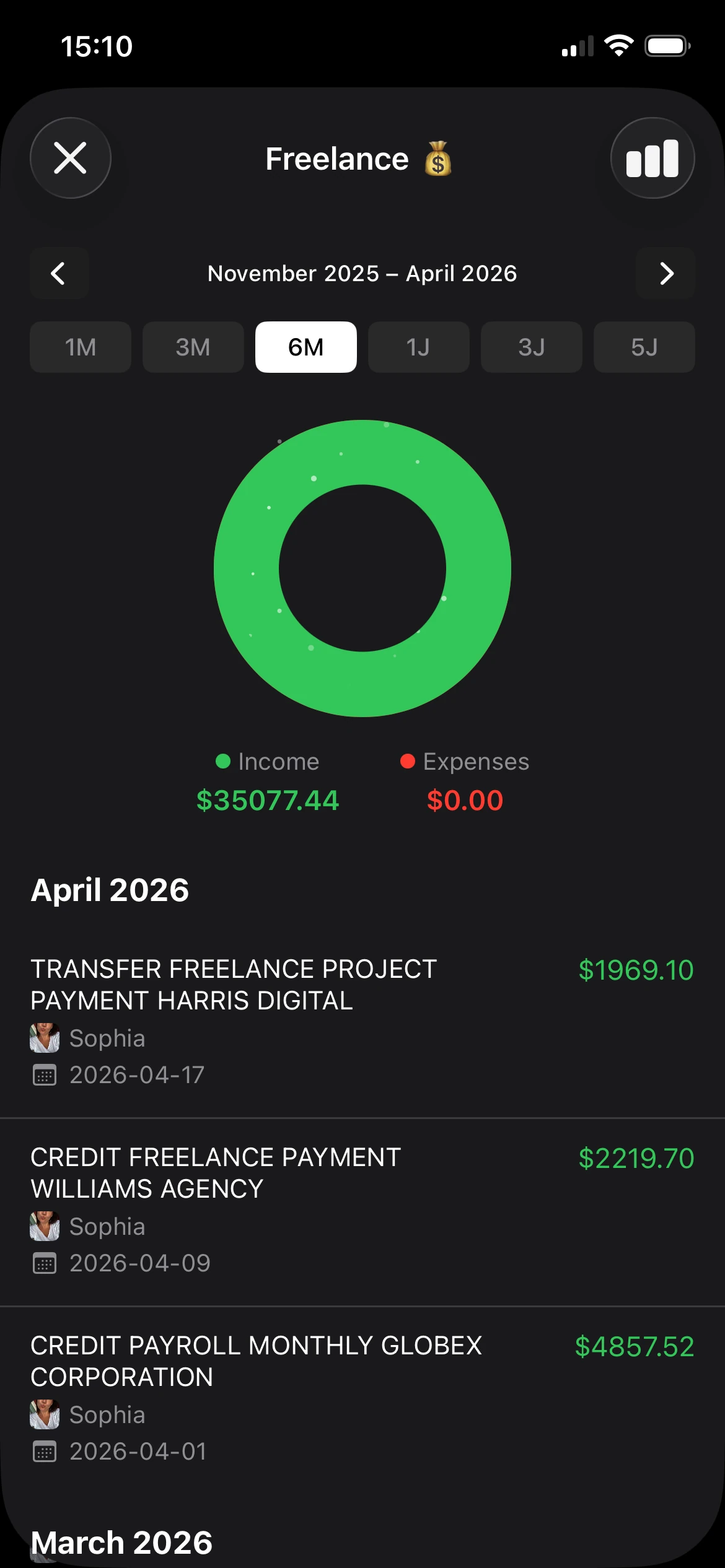
rondre fits this method well because the app keeps the process simple. A user can create custom categories, add search terms, import old transactions from CSV files or PDF statements, and use shared books for partner or family planning. That means the setup can be as lightweight or as detailed as needed. Someone replacing a spreadsheet can start with one category. A family can build several linked buckets inside one shared book.
What tends to work is naming the category clearly, recording the first contribution immediately, and reviewing it often enough to stay realistic. What doesn't work is building a perfect system on paper and waiting to start until every category is mapped out. Sinking funds reward action more than theory.
A useful rhythm is this:
- Pick one category: choose the expense that causes repeated stress
- Name it specifically: “Car Repairs” beats “Miscellaneous”
- Record a first transfer: even a small contribution creates momentum
- Review real spending: imported transactions often reveal what the category should cover
- Adjust as life changes: couples, families, and freelancers all need categories that evolve
Today's takeaway is simple. Open rondre, create one new category for the highest-priority sinking fund, and record the first contribution. It doesn't need to be a dramatic amount. It just needs to exist. Once the category is real, future stress starts losing its power.
rondre is a strong fit for anyone who wants a private, no-friction way to track sinking funds without ads, subscriptions, or account setup. It's free, works well for solo budgets and shared household books, and makes it easy to organize categories, search transactions, and import past data. If a cleaner system would help turn these sinking fund examples into a working habit, download rondre and set up the first category today.