Um novo projeto começa quase sempre da mesma forma. Um esboço parece promissor, a lista de materiais cresce depressa, e o simples ato de comprar materiais transforma-se em vinte separadores do navegador, dúvidas sobre marcas e a pergunta se o total do carrinho já fugiu ao orçamento.
É aí que o Blick Online Store é útil, mas ajuda abordá-lo com um plano. Não é apenas uma pequena loja especializada online. A Blick começou como negócio de venda por correspondência em 1911 e é hoje uma empresa familiar com cerca de 2000 funcionários e receita declarada de 1,1 mil milhões de dólares, o que ajuda a explicar porque a loja parece ampla, estabelecida e construída tanto para encomendas online como para apoio no retalho físico, segundo o perfil empresarial da ZoomInfo para a Blick Art Materials.
Índice
- Bem-vindo à Blick, o seu centro de referência para materiais artísticos
- Encontrar o que precisa no enorme catálogo
- O seu guia passo a passo para o checkout
- Escolher a melhor opção de entrega
- Como poupar dinheiro em cada encomenda Blick
- Gerir devoluções, reembolsos e apoio ao cliente
- Perguntas frequentes
Bem-vindo à Blick, o seu centro de referência para materiais artísticos
A Blick funciona bem para artistas que precisam de um único lugar para comparar materiais em muitas categorias sem saltar entre várias lojas de nicho. Isso importa quando um projeto combina básicos e artigos menos comuns na mesma encomenda, como papel, tinta, arrumação e materiais de apresentação.

Porque os artistas continuam a voltar
A loja dá a sensação de uma casa de fornecimento antiga, em vez de um marketplace da moda. Essa distinção importa. Os compradores podem normalmente esperar uma organização de produtos estabelecida, promoções recorrentes e um caminho mais fluido entre encomenda online e apoio em loja.
Para um amigo que tenta comprar de forma mais inteligente, a conclusão prática é simples. A Blick é mais forte quando usada para compras planeadas, não para navegação impulsiva.
Regra prática: comece pelo projeto, não pela página inicial. Anote o meio exato, a superfície, o tamanho da ferramenta e opções de reserva antes de pesquisar.
Uma melhor forma de comprar no site
A abordagem mais eficiente é pensar por etapas:
- Defina primeiro a necessidade do projeto. “Acrílicos de qualidade estudante” e “acrílicos profissionais heavy-body” levam a carrinhos muito diferentes.
- Pesquise de forma estreita. Marca, tamanho, formato e uso pretendido normalmente importam mais do que nomes de categorias amplas.
- Compare as opções de cumprimento antes de pagar. Um artigo que parece disponível online pode não ser a opção mais fácil para um prazo apertado.
- Verifique poupanças no fim. Promoções só ajudam se a encomenda já fizer sentido.
Essa ordem importa porque o Blick Online Store é suficientemente grande para recompensar pesquisa disciplinada e suficientemente grande para penalizar navegação casual. Para artistas que tentam equilibrar trabalho de estúdio e despesas, ajuda tratar a compra de materiais como parte gestão de inventário, parte controlo de orçamento.
Encontrar o que precisa no enorme catálogo
A parte mais difícil de comprar na Blick normalmente não é o checkout. É chegar ao produto certo sem se afogar em opções. A ficha corporativa da Blick diz que a empresa oferece mais de 90000 artigos na sua loja online, catálogo e lojas físicas, como mostrado na página de ficha corporativa e branding da Blick.

Pesquise como comprador, não como quem navega sem rumo
Catálogos grandes recompensam termos precisos. Em vez de pesquisar “tinta”, pesquise algo que reduza o campo:
- Primeiro a marca: experimente “Golden”, “Liquitex”, “Winsor & Newton” ou outra marca em que já confie.
- Depois o material: adicione “acrílico”, “aguarela”, “gouache”, “tela” ou “marcador”.
- Por fim o formato: tubo, godé, bloco, rolo, conjunto, folha e detalhes de tamanho importam.
Uma pesquisa focada como “cold press watercolor block 140 lb” é muito mais útil do que “watercolor paper”. O tamanho do site torna pesquisas amplas caras em tempo.
Use filtros para eliminar erros
Filtros não servem apenas para conveniência. Eles evitam compras erradas. Artistas muitas vezes perdem dinheiro ao comprar a categoria certa, mas a especificação errada.
Uma boa sequência de filtros normalmente é assim:
| Tarefa de compra | Melhor filtro para começar | Porque ajuda |
|---|---|---|
| Substituir um material favorito | Marca | Remove alternativas que não correspondem ao seu workflow |
| Testar um novo material | Preço ou tamanho | Mantém a experimentação acessível |
| Comparar superfícies | Dimensões ou formato | Torna mais fácil identificar diferenças entre folha, bloco e caderno |
| Comprar para uma aula ou estúdio | Quantidade ou tipo de conjunto | Ajuda a evitar surpresas de preço por unidade |
Crie uma lista curta antes de adicionar ao carrinho
Quando uma família de produtos tem muitas variações, ajuda abrir alguns separadores e comparar apenas estes pontos práticos:
- Tamanho e quantidade: um caderno, um pacote de folhas e um bloco podem parecer semelhantes à primeira vista.
- Qualidade estudante versus qualidade profissional: essa escolha afeta o valor mais do que a maioria dos códigos promocionais.
- Compatibilidade com o projeto: lavagens intensas, emolduramento, gravura e uso em aula mudam todos o que “melhor” significa.
Reduza as escolhas a duas ou três opções antes de ler mais a fundo. Dez páginas de produto abertas normalmente criam mais confusão, não melhores decisões.
Tenha atenção à dispersão do catálogo
A amplitude do catálogo é útil, mas também significa que os nomes dos produtos podem tornar-se densos. Uma pequena diferença de texto pode indicar uma grande diferença de superfície, linha de pigmentos ou utilizador pretendido. Quando o título parece sobrecarregado, o mais seguro é abrandar e verificar o formato antes de adicionar qualquer coisa.
Esse hábito poupa mais dinheiro do que perseguir descontos depois.
O seu guia passo a passo para o checkout
O checkout no Blick Online Store é direto quando o carrinho está limpo. A maioria dos problemas acontece antes, quando compradores se apressam na seleção de variantes, ignoram campos de código promocional ou avançam antes de verificar se checkout como convidado ou checkout com conta faz mais sentido.
Decida se uma conta ajuda
Uma conta é útil para pessoas que voltam a encomendar os mesmos básicos, querem acompanhamento de encomendas mais fácil ou preferem ter o histórico de compras num só lugar. O checkout como convidado pode ser suficiente para uma encomenda única, especialmente quando alguém quer avançar rapidamente e manter o processo simples.
O compromisso prático é este. Uma conta pode reduzir fricção mais tarde, mas o checkout como convidado pode reduzir fricção agora.
Faça uma revisão final do carrinho antes do pagamento
Antes de inserir dados de pagamento, reveja o carrinho com mentalidade de checklist de materiais:
- Confirme a variante exata. Tamanho do pincel, formato do papel e nomes de cores são fáceis de ler mal.
- Remova adições duplicadas. Isto acontece muitas vezes depois de abrir vários separadores de produto.
- Verifique se substituições fazem sentido. Um tamanho maior pode por vezes ser a melhor compra, enquanto um artigo especializado pode não ser necessário para a primeira fase de um projeto.
Um carrinho limpo também facilita o acompanhamento de despesas depois da compra. Para artistas que querem controlar melhor as despesas com materiais, ajuda usar um método simples para acompanhar despesas ao longo do tempo, especialmente quando várias pequenas encomendas de arte se acumulam durante o mês.
Lide com promoções com cuidado
Campos de código promocional podem tentar compradores a pausar toda a encomenda para procurar descontos extra. Isso normalmente desperdiça tempo, a menos que a lista de artigos já esteja finalizada. Insira qualquer código que já tenha, mas não reconstrua o carrinho em torno de um código se as condições do desconto não forem claras.
Hábito de checkout: não clique em pagar até o carrinho responder claramente a três perguntas. É o artigo certo, a quantidade certa e o momento certo?
Se essas respostas forem sólidas, o checkout é normalmente a parte mais fácil de todo o processo.
Escolher a melhor opção de entrega
O cumprimento é onde o Blick Online Store fica mais interessante. Páginas públicas de lojas mostram uma configuração híbrida com compra em loja, recolha em loja e entrega ligadas a informações da loja local, o que sugere que o site e as lojas físicas estão conectados, em vez de funcionarem como sistemas separados, como mostrado na página da loja Blick de Los Angeles.

Quando o envio faz sentido
O envio standard encaixa em encomendas planeadas, reposições e artigos que não são urgentes para uma aula, encomenda ou prazo. Entrega acelerada faz mais sentido quando uma superfície, ferramenta ou cor em falta impediria o trabalho em curso.
A pergunta prática não é “Qual é mais rápido?”. É “Que atraso custaria mais?”. Se esperar significa perder tempo de trabalho, a opção mais rápida pode ser a decisão mais barata no geral.
Quando a recolha é a opção mais inteligente
O workflow de recolha em loja da Blick exige uma compra mínima de 35 dólares e inclui passos como login na conta, criação de lista, seleção de loja e chamada de retorno da equipa para agendamento. A Blick também diz ter sido reconhecida pela Newsweek na categoria artes e trabalhos manuais entre as “Best Online Shops” pelo sétimo ano consecutivo, segundo as informações em vídeo sobre recolha e serviço da empresa.
Isto diz duas coisas aos compradores. Primeiro, a recolha é uma parte real do modelo de retalho, não uma ideia secundária. Segundo, pode envolver mais processo do que os compradores esperam.
O que ainda não está claro ao nível da loja
O ponto fraco é a clareza do cumprimento local. As páginas públicas das lojas Blick promovem horários locais, compras e sinais de urgência, mas não respondem claramente a perguntas comuns sobre stock de artigos próximos, detalhes de recolha no mesmo dia ou como o inventário local se compara com o sortido online mais amplo, como visto na página da loja Blick de Pittsburgh.
Essa lacuna importa mais para compradores com intenção elevada. Alguém que precisa de um conjunto específico de marcadores, tamanho de papel em folha ou medium até amanhã não quer uma mensagem promocional. Esse comprador quer certeza operacional.
Um guia de decisão simples
Use este enquadramento antes de fazer a encomenda:
- Escolha envio standard quando a encomenda é rotineira e o tempo é flexível.
- Escolha entrega mais rápida quando um prazo de projeto iria derrapar sem o artigo.
- Escolha recolha em loja quando evitar custos de envio ou esperar em casa importa mais do que um processo de recolha mais envolvido.
- Ligue ou verifique localmente quando o prazo é apertado. Páginas públicas podem não responder com clareza suficiente à questão do stock.
Se um artigo é crítico para o trabalho de amanhã, não assuma disponibilidade local apenas a partir de uma página de loja.
Para artistas, entrega não é apenas logística. Afeta se o estúdio consegue continuar a avançar.
Como poupar dinheiro em cada encomenda Blick
Poupar dinheiro na Blick normalmente não vem de um único truque. Vem de juntar bons hábitos: comprar a qualidade certa, encomendar com um plano, verificar custos de cumprimento e ser realista sobre se uma vantagem de fidelização muda o custo total.
Leia promoções como condições, não como títulos
A Blick promove um Preferred Customer Program e uma garantia de preço mais baixo, mas a informação pública não explica claramente detalhes práticos que muitos compradores querem saber, como exclusões de artigos, como funciona a verificação ou como preços online e em loja se comparam em situações do dia a dia, segundo a página de informação Preferred Customer da Blick.
Isso não significa que as ofertas sejam inúteis. Significa que devem ser tratadas como possíveis poupanças, não como poupanças automáticas.

Concentre-se nas compras que mais importam
Artistas muitas vezes gastam demasiado em dois pontos:
- Subir de qualidade cedo demais: materiais de qualidade profissional valem a pena quando o trabalho os exige, não por defeito.
- Comprar extras dispersos: o carrinho cresce com um pincel, um bloco, um medium e depois um artigo “já agora”.
Uma melhor abordagem é separar os materiais em três grupos.
| Grupo | O que pertence lá | O que fazer |
|---|---|---|
| Materiais essenciais | Materiais usados constantemente | Recomprar com menos hesitação |
| Artigos específicos do projeto | Cores de nicho, superfícies, ferramentas | Comprar apenas para um projeto atual |
| Extras agradáveis | Experiências e adições impulsivas | Pausar e rever mais tarde |
Acompanhe se a loja está realmente a poupar dinheiro
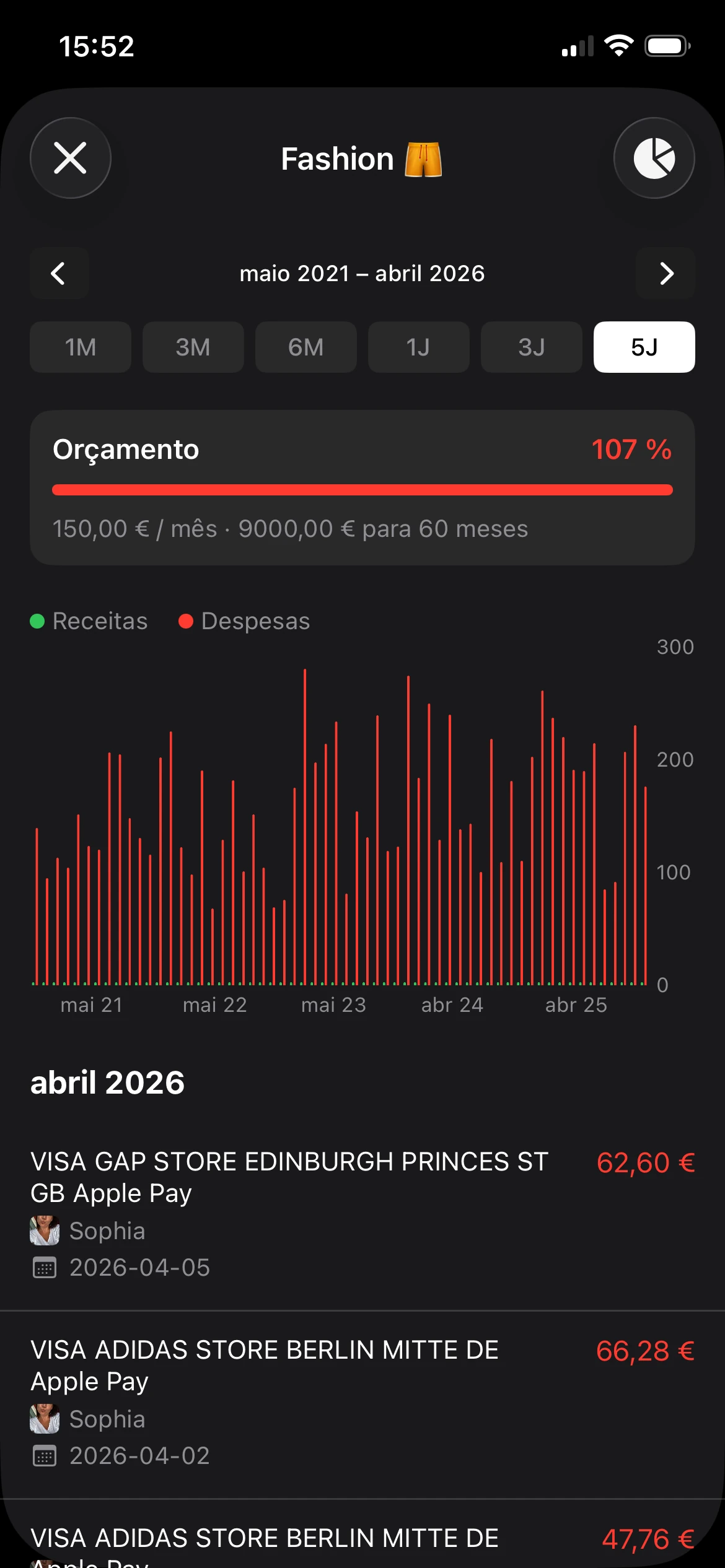
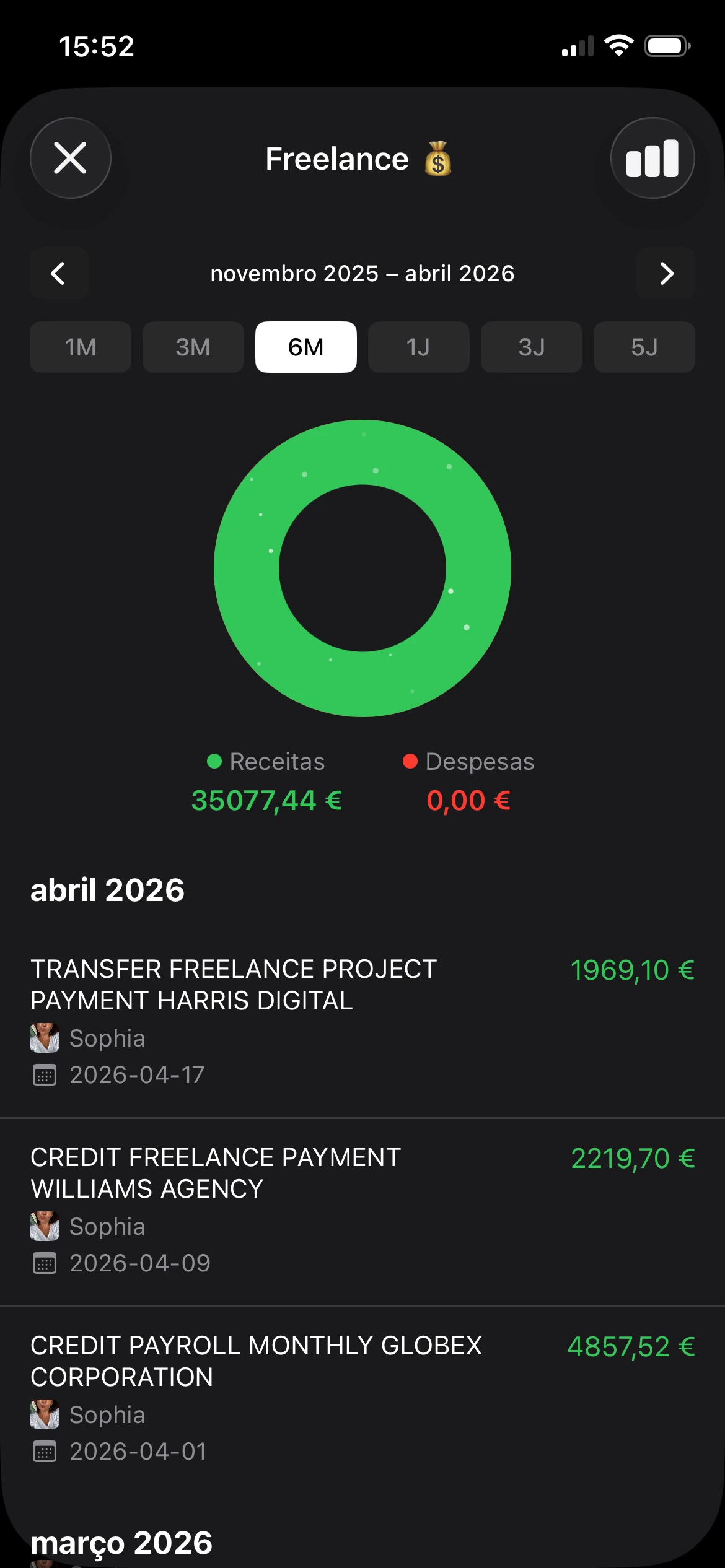
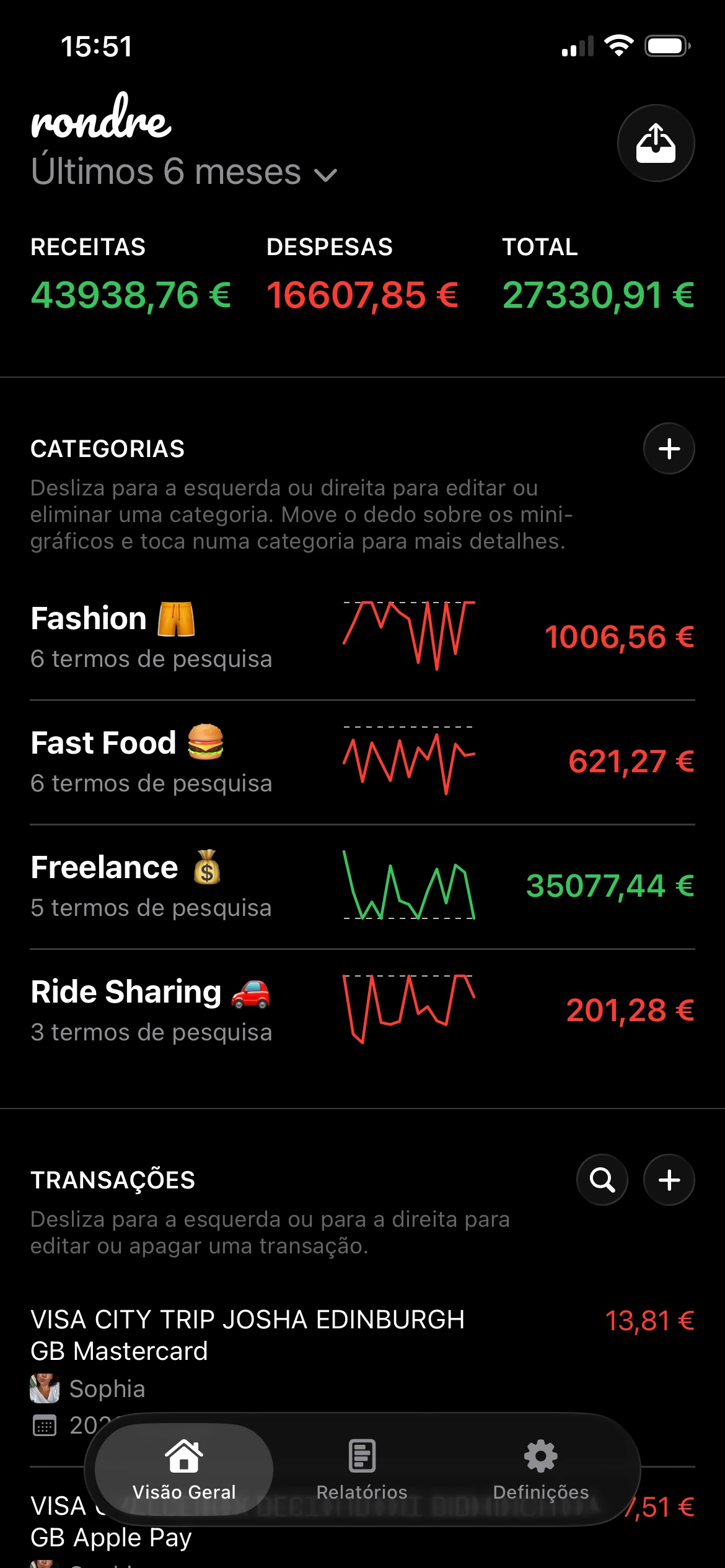
A forma mais limpa de avaliar promoções é acompanhar as despesas reais com materiais ao longo de várias encomendas. Uma opção é o guia de sinking funds da rondre, útil para reservar dinheiro para categorias irregulares como materiais artísticos, e a própria aplicação pode acompanhar despesas com categorias personalizadas, pesquisa instantânea, importações CSV e PDF e livros partilhados sem exigir conta ou registo.
Para artistas, isso faz diferença porque a compra de materiais raramente é uniforme de mês para mês. Um mês pode ser apenas pincéis e papel. O seguinte pode incluir emolduramento, superfícies e ferramentas de substituição.
Verificação financeira: se uma promoção incentiva a compra de artigos que ainda não estavam na lista, pode baixar o preço apresentado enquanto aumenta a despesa real.
Hábitos práticos de poupança que funcionam
- Compre para o projeto à sua frente. Não deixe que navegação por categorias amplas escreva a lista de compras.
- Compare qualidades com cuidado. Qualidade estudante é muitas vezes a compra mais inteligente para prática, aulas e testes.
- Use a recolha estrategicamente. Pode ser útil, mas apenas se o processo e o prazo se ajustarem à necessidade.
- Reveja compras repetidas. Se o mesmo artigo aparece vezes sem conta, é aí que os benefícios do programa mais importam.
A vantagem do comprador inteligente não é encontrar um código secreto. É saber o que pertence ao carrinho antes de o site começar a sugerir mais.
Gerir devoluções, reembolsos e apoio ao cliente
Problemas pós-compra normalmente caem em três grupos. O artigo chegou danificado, apareceu a variante errada ou o produto não era adequado para a tarefa. A forma mais fácil de lidar com qualquer um deles é guardar a confirmação da encomenda, a embalagem do produto e uma nota clara do que correu mal antes de contactar o apoio.
O que fazer primeiro
Comece por identificar se o problema é sobre o produto, o cumprimento ou o pagamento. Isso mantém a conversa focada e curta.
- Problema de produto: anote o nome exato do artigo, a variante e a condição à chegada.
- Problema de encomenda: tenha o número da encomenda pronto e verifique o que diz a confirmação.
- Problema de pagamento: compare a cobrança com o e-mail da encomenda e a atividade bancária antes de contactar.
Para quem quer registos mais limpos ao corresponder reembolsos com atividade do cartão, uma referência simples sobre how to read a bank statement ajuda a separar cobranças pendentes, transações lançadas e reembolsos que aparecem mais tarde.
Mantenha a comunicação prática
Interações com o apoio ao cliente correm melhor quando o pedido é concreto. Peça a resolução específica necessária, como substituição, instruções de devolução, estado do reembolso ou esclarecimento sobre a encomenda.
Uma mensagem curta normalmente funciona melhor do que uma longa e frustrada. Inclua os detalhes da encomenda, descreva o problema de forma simples e anexe fotos quando o problema for visível.
Um número de encomenda claro e uma descrição precisa normalmente resolvem mais do que uma explicação dramática.
Para problemas relacionados com lojas, contactos locais e horários estão muitas vezes listados nas páginas individuais das lojas. Para problemas de encomendas online, use o caminho principal de apoio ao cliente ligado ao registo da encomenda, para que a equipa de suporte possa ver o histórico da transação.
Perguntas frequentes
A Blick é apenas uma loja online?
Não. O negócio opera como retalhista omnicanal, com compras online ligadas a lojas físicas e opções de cumprimento local, em vez de funcionar como uma loja apenas na web.
Os compradores podem usar a recolha em loja para encomendas pequenas?
A recolha em loja tem um valor mínimo de compra de 35 dólares, com base nas informações públicas do processo de recolha da Blick mencionadas anteriormente neste guia.
O stock local está sempre claro online?
Nem sempre. Páginas públicas de lojas destacam compras locais e urgência, mas perguntas comuns sobre stock ainda podem estar pouco explicadas, especialmente quando alguém precisa rapidamente de um artigo muito específico.
As promoções garantem sempre o custo final mais baixo?
Não necessariamente. Promoções podem ajudar, mas o valor prático depende de exclusões, escolhas de cumprimento e de a encomenda ter crescido por causa da própria promoção.
A maior vantagem no Blick Online Store é simples. Compre com uma lista de projeto, confirme o método de cumprimento antes de pagar e acompanhe se encomendas repetidas continuam dentro do orçamento artístico.
Um próximo passo prático é registar a próxima encomenda de materiais artísticos no rondre. Dá aos utilizadores de iPhone uma forma gratuita de acompanhar rendimentos e despesas, criar categorias personalizadas, importar ficheiros CSV e extratos bancários PDF, e manter registos partilhados com parceiro ou família, tudo sem anúncios, tracking ou criação de conta. Isso torna mais fácil ver se as despesas com materiais artísticos são planeadas, sazonais ou estão a subir antes de o próximo carrinho ser preenchido.