Las personas no necesitan más consejos financieros. Necesitan mejores preguntas financieras que hacerse.
“¿Lo estoy haciendo bien financieramente?” es demasiado vago para ayudar de verdad. “¿Adónde fue el dinero del mes pasado?” es útil. “¿Por qué presupuestar se siente tan difícil?” es menos útil que “¿Qué categoría sigue rompiendo el plan?” La claridad financiera normalmente no viene de la motivación. Viene de convertir la incertidumbre en preguntas que se pueden responder con números reales, transacciones reales y un simple hábito de revisión.
Eso importa porque muchos hogares ya están bajo presión financiera. El resumen de estadísticas de educación financiera de Annuity.org informa que el 37% de los adultos dice que apenas llega a fin de mes, el 60% no cree que sus ahorros para la jubilación estén bien encaminados y el 25% de los estadounidenses dice que no tiene a nadie a quien pedir orientación financiera de confianza. Un sistema práctico ayuda a cerrar esa brecha. Sustituye las suposiciones por un registro de lo que realmente está ocurriendo.
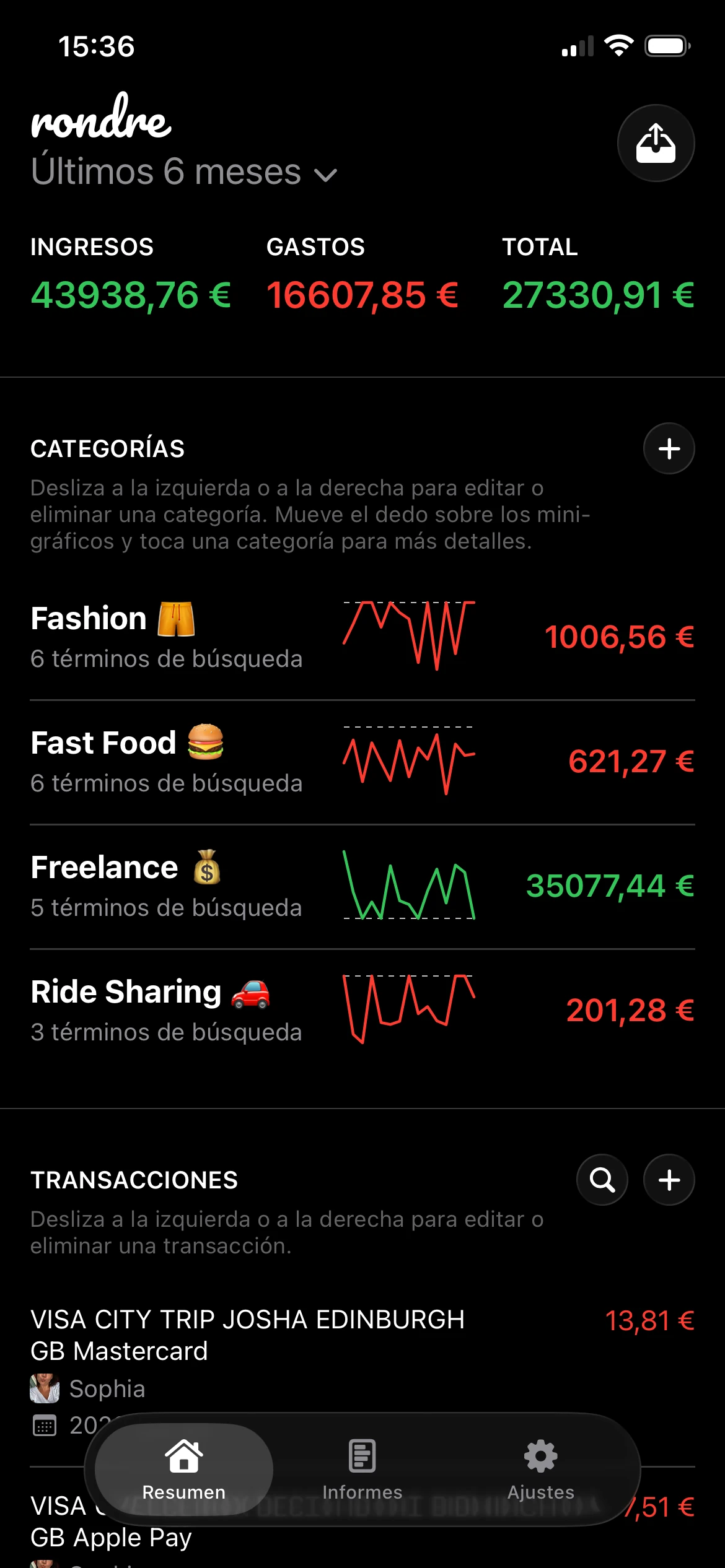
Esta guía presenta 10 preguntas financieras específicas que hacerse y combina cada una con una forma concreta de encontrar la respuesta. El objetivo no es crear una hoja de cálculo perfecta ni un plan complicado. El objetivo es ver qué es cierto, decidir qué cambiar y seguir adelante. Una herramienta sencilla y privada como rondre puede facilitarlo, porque permite a las personas hacer seguimiento de gastos, organizar categorías, subir extractos y compartir un libro con una pareja o familia sin añadir más fricción.
Tabla de contenidos
- 1. ¿Cómo hago un seguimiento eficaz de mis gastos diarios?
- 2. ¿Cómo debería ser la distribución de mi presupuesto?
- 3. ¿Cuánto debería ahorrar cada mes?
- 4. ¿Cómo gestiono los gastos compartidos con una pareja o familia?
- 5. ¿Cuáles son mis mayores categorías de gasto y dónde puedo reducir?
- 6. ¿Cómo gestiono los gastos imprevistos y las emergencias?
- 7. ¿Cómo hago seguimiento y gestiono mis deudas eficazmente?
- 8. ¿Mis gastos están alineados con mis valores y objetivos financieros?
- 9. ¿Cómo debería organizar mis finanzas para tener más claridad y tomar mejores decisiones?
- 10. ¿Cómo planifico grandes objetivos financieros como vivienda, educación o jubilación?
- 10 preguntas financieras esenciales comparadas
- Tu próximo paso: de la pregunta a la acción
1. ¿Cómo hago un seguimiento eficaz de mis gastos diarios?
La mejor respuesta es la menos espectacular: registra cada transacción lo más cerca posible del momento en que ocurre.
Eso significa que el café, el aparcamiento, la compra, el reembolso y el pedido de comida tarde por la noche quedan registrados. El seguimiento diario funciona porque sustituye la historia que las personas se cuentan sobre el dinero por un rastro de decisiones concretas. Para un freelance, eso puede significar separar los pagos de clientes de los costes de software. Para una pareja, puede significar registrar la compra y los servicios en un solo lugar compartido en vez de intentar reconstruir el mes más tarde.

Empieza por registrar, no por analizar
Muchas personas fracasan con el seguimiento de gastos porque empiezan intentando diseñar el sistema perfecto. Es al revés. Primero registra las transacciones. Después limpia las categorías durante una revisión semanal.
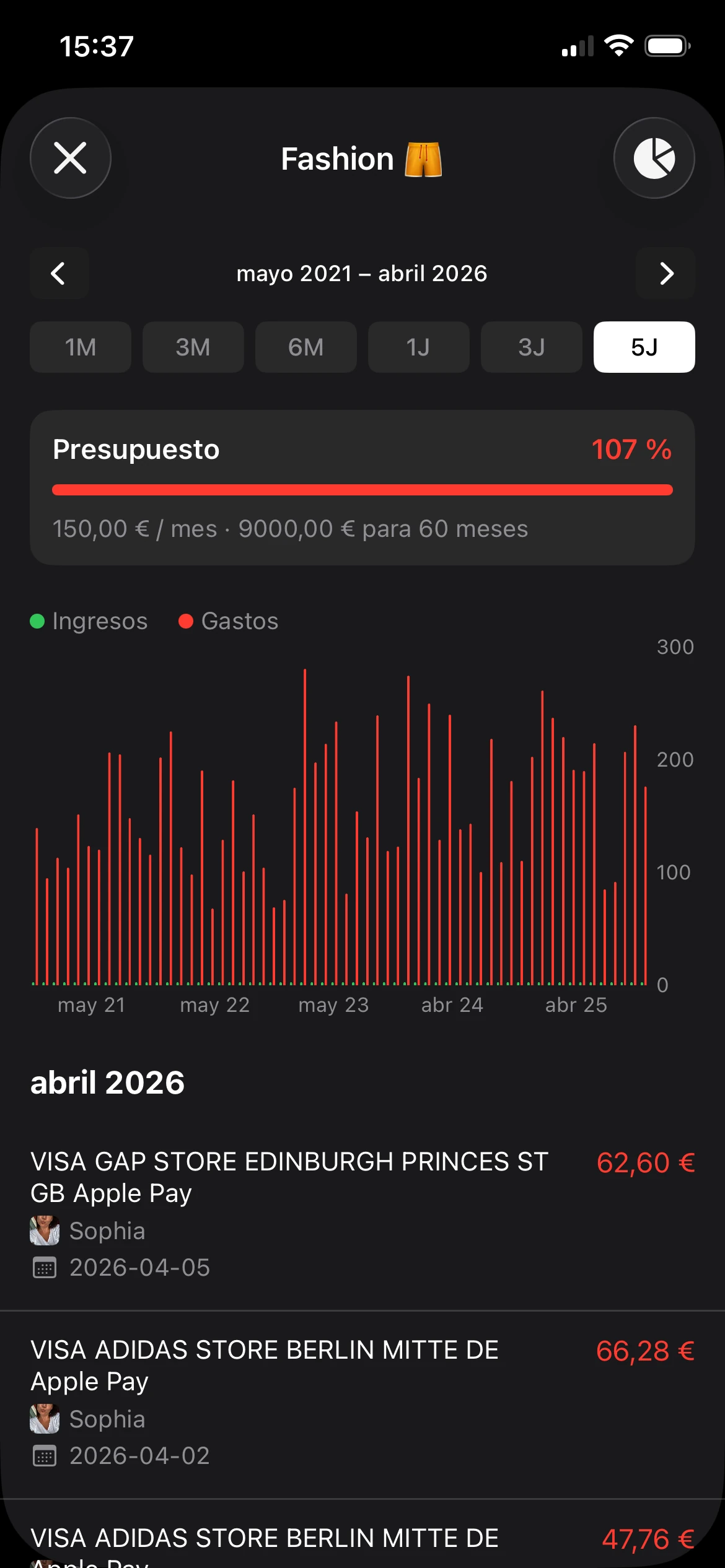
Con rondre, la configuración práctica es sencilla. Registra los gastos cuando ocurren, crea categorías que se ajusten a la vida real y usa importaciones de extractos para recuperar cualquier cosa que se haya pasado por alto. Su guía sobre cómo hacer seguimiento de gastos es un buen punto de partida si el sistema actual está disperso entre notas, apps bancarias y memoria.
Regla práctica: Si una transacción no está registrada, no entró en el plan.
Una joven profesional podría descubrir que pequeñas compras recurrentes ocupan más espacio del mes de lo esperado. Un hogar podría darse cuenta de que la categoría “varios” esconde la mitad del problema. El seguimiento diario no necesita ser perfecto. Necesita ser lo bastante constante para que los patrones se vuelvan evidentes.
- Registra rápido: Introduce las compras inmediatamente o al menos el mismo día.
- Nombra las categorías con claridad: “Comer fuera” funciona mejor que “estilo de vida”.
- Revisa semanalmente: Un breve control detecta desviaciones antes de que el mes se haya ido.
- Importa extractos mensuales: Los archivos CSV y los extractos bancarios PDF ayudan a cerrar huecos.
2. ¿Cómo debería ser la distribución de mi presupuesto?
La distribución de un presupuesto debería reflejar primero las obligaciones reales y después las prioridades personales. No debería verse impresionante en papel mientras fracasa en la vida diaria.
Algunas personas empiezan con un marco amplio como necesidades, deseos y ahorro, y luego lo ajustan. Es útil como punto de partida, no como una regla que haya que obedecer a ciegas. Alguien con alquiler alto, ingresos freelance irregulares o costes relacionados con hijos puede necesitar una mezcla de categorías muy distinta a la de una persona soltera con salario fijo. La pregunta correcta no es “¿Cuál es el presupuesto ideal?”, sino “¿Qué distribución puede sostener este ingreso?”

Construye un presupuesto a partir de gastos reales
Empieza con las transacciones reales del último mes o dos. Ordénalas en una lista corta de categorías como vivienda, compra, transporte, pagos de deuda, ahorro y gastos discrecionales. Luego compara lo que ocurrió con lo que debería ocurrir el mes siguiente.
Para los hogares, un libro central es útil. El artículo de rondre sobre cómo crear un presupuesto familiar muestra una forma práctica de estructurar categorías compartidas sin convertir el proceso en una negociación diaria.
Una distribución presupuestaria útil responde preguntas como estas:
- Qué costes son fijos: Alquiler, seguros, pagos mínimos de deuda y facturas recurrentes van primero.
- Qué costes son flexibles: Alimentación, entretenimiento, transporte y compras suelen ofrecer margen de ajuste.
- Dónde está el colchón: Todo presupuesto necesita espacio para costes irregulares, no solo para las facturas mensuales evidentes.
Un presupuesto que ignora los gastos irregulares no es un presupuesto. Es un escenario ideal.
Una persona autónoma podría mantener un libro para el negocio y otro para la vida personal para evitar mezclar suscripciones de software con la compra. Una pareja podría crear un libro nuevo tras un cambio de ingresos y probar una nueva mezcla de categorías durante unos meses antes de comprometerse a largo plazo.
3. ¿Cuánto debería ahorrar cada mes?
¿Cómo eliges una cantidad de ahorro que siga funcionando después de que el alquiler, la compra y la vida real pasen por la cuenta?
Empieza por el trabajo que ese dinero debe hacer. Un objetivo de ahorro mensual funciona cuando está ligado a una obligación u objetivo específico, no a un plan vago de ahorrar más. Reservas de emergencia, primas de seguro anuales, apartados de impuestos para ingresos freelance, un fondo para vivienda y la jubilación compiten por los mismos euros. La cantidad mensual correcta es la que tu flujo de caja puede sostener y tus prioridades justifican.
Elige el objetivo y luego calcula la cantidad mensual
La orientación general suele señalar que conviene mantener varios meses de gastos de vida en reserva. La cifra exacta depende de la estabilidad de los ingresos, la carga de deuda, las personas dependientes y lo fácil que sería reemplazar ingresos perdidos. Una persona asalariada con buenos beneficios puede necesitar un colchón distinto al de un contratista con pagos irregulares.
Rondre ayuda porque puedes separar el ahorro por propósito en vez de esconder todo dentro de un fondo genérico. Crea una categoría o libro para el ahorro de emergencia, otro para impuestos y otro para gastos irregulares. Si no tienes claro qué pertenece a este último grupo, estos ejemplos de sinking funds hacen la configuración más clara.
Usa un método sencillo:
- Elige primero una prioridad: Construye el primer objetivo alrededor del riesgo que más daño causaría, como un pequeño fondo de emergencia, impuestos trimestrales o una factura anual.
- Fija una fecha y haz el cálculo: Divide el objetivo entre el número de meses hasta que necesites el dinero.
- Ahorra al principio del mes: Trata la transferencia como el alquiler o una factura de servicios.
- Revisa después de un ciclo completo de ingresos: Si la cantidad crea faltantes constantes, redúcela y alarga el plazo.
Un freelance podría mantener en Rondre una categoría para impuestos y una reserva para meses flojos, y mover dinero a cada una tras cada pago de cliente. Un hogar que planea una mudanza podría usar un libro compartido y hacer seguimiento de cada contribución frente a una fecha límite. La clave es la visibilidad. Una vez que cada objetivo tiene su propio lugar, las compensaciones quedan claras y resulta mucho más fácil responder a la pregunta principal: ¿qué objetivo de ahorro se financia primero este mes?
4. ¿Cómo gestiono los gastos compartidos con una pareja o familia?
Los gastos compartidos se desordenan cuando el sistema depende de la memoria, la buena voluntad o suposiciones silenciosas.
Por eso esta es una de las preguntas financieras más útiles que hacerse, especialmente en hogares donde más de una persona paga la compra, el alquiler, los costes escolares o los servicios. La cobertura independiente sobre bienestar financiero para grupos desatendidos señala el estrés diario en torno al presupuesto, la priorización de deudas y el ahorro de emergencia, con una brecha en preguntas prácticas sobre quién paga qué, cómo se gestionan las facturas irregulares y qué umbral debería activar una revisión de gastos compartidos en los hogares, como se explica en el artículo de eMoney Advisor sobre atender a grupos desatendidos.
El dinero compartido necesita reglas compartidas
La configuración más limpia consiste en separar estructuralmente las finanzas conjuntas y personales, incluso si el hogar finalmente combina gran parte del dinero. Un libro compartido puede contener alquiler, compra, servicios y gastos relacionados con hijos. Libros separados pueden manejar gastos individuales.
Eso elimina mucha fricción. Una pareja puede ver el total del hogar sin convertir cada compra personal en una decisión de comité. Los compañeros de piso pueden registrar servicios compartidos mientras mantienen lo demás privado. Una familia puede hacer seguimiento de tasas escolares, actividades y compras del hogar en un solo lugar.
Las finanzas compartidas funcionan mejor cuando la regla se acuerda antes de que ocurra el gasto.
Un sistema práctico de gastos compartidos normalmente necesita tres reglas:
- Elegir el método de reparto: reparto igual, reparto basado en ingresos o facturas asignadas.
- Definir umbrales de revisión: decidir qué nivel de gasto requiere una conversación rápida.
- Conciliar regularmente: una revisión mensual es mejor que dejar que el resentimiento se acumule.
La compensación es sencilla. Los sistemas flexibles parecen más fáciles al principio, pero crean más conflictos después. Los sistemas claros parecen algo formales al principio, pero reducen conflictos porque todos pueden ver la misma información.
5. ¿Cuáles son mis mayores categorías de gasto y dónde puedo reducir?
La respuesta normalmente no está escondida en una compra dramática. Está en categorías recurrentes que la gente dejó de notar.
Reducir gastos funciona cuando empieza con una clasificación, no con culpa. Mira primero las categorías más grandes. Luego pregunta si cada una es fija, negociable o simplemente funciona en piloto automático. La vivienda puede ser difícil de cambiar rápidamente. Suscripciones, hábitos de entrega, gastos de conveniencia y servicios duplicados suelen ser más fáciles de corregir sin alterar toda la vida diaria.
Reduce las categorías por donde se escapa el dinero, no las que importan
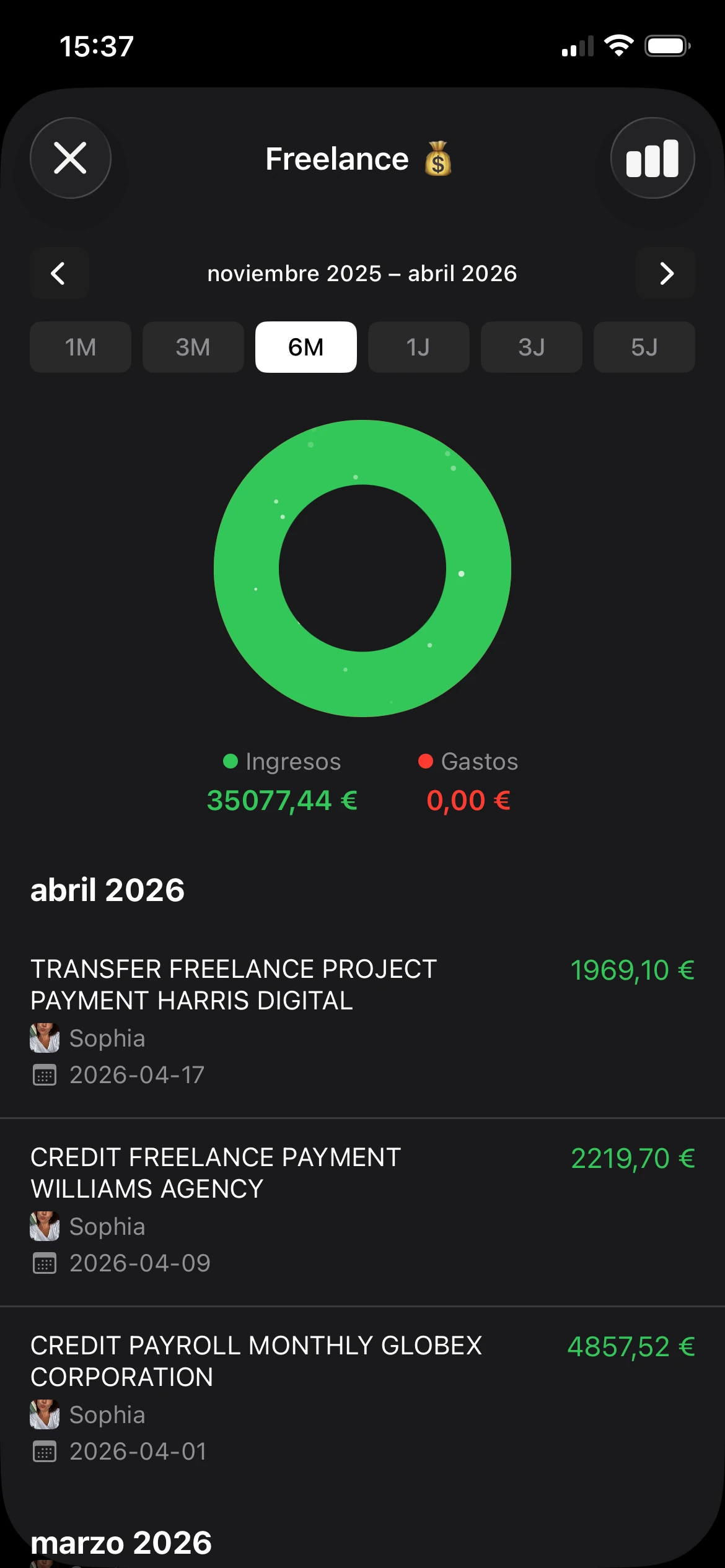
Un gráfico de dona o un desglose por categorías es útil porque muestra proporciones. Un hogar puede sentir que “la comida se está saliendo de control”, pero la fuga mayor podría estar en transporte, compras o cargos digitales recurrentes. Un freelance puede pensar que el software es el problema y luego descubrir que los retiros de efectivo y los gastos sin categorizar son el punto ciego.
La guía de la Small Business Administration sobre investigación de mercado recomienda hacer preguntas orientadas a la decisión sobre demanda, alternativas y cuánto paga la gente actualmente por sustitutos, usando métodos directos como encuestas y entrevistas para reunir evidencia en contextos empresariales. Esa misma lógica de la guía de investigación de mercado y análisis competitivo de la SBA también se aplica al gasto personal. Haz preguntas orientadas a la decisión, no vagas. “¿Qué se puede recortar con el menor dolor?” es mejor que “¿Cómo pueden bajar los gastos?”
- Revisa primero las categorías principales: Las categorías pequeñas rara vez cambian el mes.
- Separa lo fijo de lo opcional: No gastes energía atacando lo que aún no puede moverse.
- Comprueba los cargos recurrentes: Apps antiguas, membresías y renovaciones automáticas suelen sobrevivir porque se olvidan.
- Reduce por capas: Baja la frecuencia, cambia a un plan inferior o pausa antes de eliminar por completo.
Una joven profesional podría recortar comidas en restaurantes fijando un límite semanal. Una familia podría combinar servicios de streaming duplicados y simplificar compras relacionadas con la escuela. Los mejores recortes son los que las personas pueden repetir sin sentirse castigadas.
6. ¿Cómo gestiono los gastos imprevistos y las emergencias?
Los gastos imprevistos no rompen las finanzas porque existan. Rompen las finanzas cuando no hay categoría, no hay reserva y no hay regla de decisión.
Reparaciones del coche, facturas médicas, arreglos en casa y periodos sin trabajo requieren la misma respuesta. El dinero debe estar disponible sin destruir el resto del mes. Por eso la planificación de emergencias debería ser visible dentro del presupuesto, no tratarse como una prioridad futura abstracta.

Separa las emergencias de todo lo demás
Un error práctico es mezclar el dinero de emergencia con el ahorro general. Cuando todas las reservas están en un fondo vago, la gente toma de ahí para viajes, regalos o excesos de gasto rutinarios. Una categoría dedicada o un libro separado hace que el límite sea más fácil de mantener.
Para personas con ingresos inestables, la reserva puede necesitar cubrir tanto emergencias reales como brechas de ingresos. Para familias, puede tener que absorber costes de salud, sorpresas escolares o reparaciones del hogar. La cantidad exacta variará, pero la estructura importa en todos los casos.
Mantén el dinero de emergencia fácil de ver y ligeramente incómodo de gastar.
Una configuración sólida de emergencia suele incluir:
- Un objetivo claro: Bázalo en costes esenciales de vida, no en gastos idealizados.
- Una regla de reposición: Si se usa el fondo, las aportaciones se reanudan inmediatamente.
- Una definición de gasto: Acordar qué cuenta como emergencia antes de que ocurra una.
Alguien con ingresos freelance podría mantener una reserva separada para meses flojos. Un hogar con vehículos antiguos podría mantener una categoría específica de reparación además del fondo de emergencia. Una buena planificación de emergencias no elimina el estrés. Evita que una mala semana se convierta en deuda o facturas impagadas.
7. ¿Cómo hago seguimiento y gestiono mis deudas eficazmente?
¿Qué cambia cuando cada deuda está en un solo lugar y clasificada por coste?
La deuda se vuelve manejable cuando deja de vivir repartida entre extractos, bandejas de entrada y fechas de vencimiento medio recordadas. La tarea es crear un sistema sencillo: registrar cada saldo, decidir cuál recibirá dinero extra y revisar el progreso con suficiente frecuencia para detectar problemas temprano. Funciona para tarjetas de crédito, préstamos estudiantiles, préstamos personales y financiación empresarial.
La primera pasada debería ser mecánica. Añade el prestamista, saldo actual, tasa de interés, pago mínimo, fecha de vencimiento y si la deuda pertenece al hogar o al negocio. Luego ordena la lista por tasa de interés o por urgencia emocional, según lo que mantenga el plan durante meses, no solo una semana.
Rondre ayuda aquí porque puedes mantener cada deuda visible dentro de la misma configuración privada que usas para gastos y planificación. Crea una categoría o partida para cada pago de deuda, y usa libros separados si necesitas dividir deuda personal de deuda empresarial o aislar un escenario de pago. Eso facilita probar compensaciones antes de comprometer dinero.
Un flujo de trabajo práctico se ve así:
- Registra cada deuda en una sola vista: los saldos dispersos crean pagos perdidos y malas estimaciones.
- Elige un método de pago: pagar primero la deuda con mayor interés ahorra más dinero; pagar primero el saldo más pequeño puede crear impulso más rápido.
- Fija reglas de pago: mínimos en cada deuda, dinero extra hacia una deuda objetivo.
- Sigue el progreso mensualmente: actualiza saldos y comprueba si los cargos por intereses disminuyen.
- Revisa fechas de vencimiento: un pago tardío puede deshacer un mes de progreso.
La compensación es clara. El método avalanche suele reducir el coste total de intereses. El método snowball suele sentirse más fácil de mantener. Ambos pueden funcionar, pero solo cuando el plan es visible y lo bastante aburrido para repetirlo.
Un recién graduado puede querer seguir los préstamos estudiantiles por separado de la deuda renovable para que la presión a corto plazo sea evidente. Una persona autónoma puede necesitar un libro para obligaciones del hogar y otro para financiación del negocio para ver qué lado está drenando efectivo. Una separación clara lleva a mejores decisiones.
La deuda mejora con constancia, no con intensidad. Abre rondre, enumera hoy cada saldo, elige una deuda objetivo y da a cada pago un lugar en el plan.
8. ¿Mis gastos están alineados con mis valores y objetivos financieros?
Un presupuesto puede estar técnicamente equilibrado y aun así sentirse incorrecto.
Eso suele ocurrir cuando el gasto refleja comodidad, estrés o hábito más que prioridades declaradas. Alguien puede decir que la salud es lo más importante mientras muy poco dinero va a planificación de comidas, descanso o ejercicio. Una pareja puede decir que viajar importa, pero la mayor parte del gasto discrecional desaparece en comida para llevar y compras impulsivas. El desajuste no es un fracaso moral. Es falta de visibilidad.
Analiza lo que dice el dinero
Las categorías personalizadas son más útiles que las genéricas. Categorías como “aprendizaje”, “tiempo en familia”, “fitness”, “donaciones” o “futura vivienda” hacen visibles las compensaciones de una forma que las etiquetas amplias a menudo no logran. Si las categorías solo describen comercios, no dirán mucho sobre valores.
Una simple revisión mensual funciona bien:
- Escribe primero las prioridades principales: Elige una lista corta de valores u objetivos.
- Vincula el gasto a esas prioridades: Renombra o reagrupa categorías si hace falta.
- Compara intención con realidad: Busca falta de financiación o exceso de financiación evidentes.
- Ajusta el mes siguiente deliberadamente: Mueve dinero hacia lo que importa, no solo hacia lo que grita más fuerte.
“Gasto basado en valores” suena suave, pero la práctica es concreta. Una persona que valora el aprendizaje podría crear una categoría separada para cursos y libros. Una familia que quiere fines de semana más tranquilos podría gastar intencionadamente más en compras de supermercado y menos en comidas de último minuto fuera de casa. Una vez que las categorías reflejan prioridades reales, presupuestar empieza a sentirse menos como restricción y más como asignación.
9. ¿Cómo debería organizar mis finanzas para tener más claridad y tomar mejores decisiones?
Un sistema desordenado crea malas decisiones incluso cuando los ingresos son decentes.
Demasiadas personas gestionan dinero entre apps bancarias, notas en papel, capturas de pantalla, hojas de cálculo y memoria. Esa configuración garantiza suscripciones olvidadas, categorías duplicadas y confusión sobre qué es personal, compartido o empresarial. La organización financiera debería reducir el esfuerzo mental, no crear más.
Una organización simple supera a los sistemas ingeniosos
La estructura más fuerte suele ser la más sencilla que aún responde las preguntas principales. Un libro para gastos personales. Un libro compartido para costes del hogar. Un libro separado para actividad freelance o empresarial, si hace falta. Nombres de categoría coherentes. Una importación mensual de extractos. Una breve rutina de revisión.
Para la investigación en servicios financieros, los métodos mixtos suelen funcionar mejor. La guía de Pollfish sobre investigación financiera describe las encuestas online como útiles para reunir datos de calidad rápidamente y las entrevistas como mejores para un contexto más profundo. La organización de finanzas personales se beneficia de la misma idea en miniatura. Usa datos de transacciones para mostrar qué pasó y luego haz algunas preguntas directas sobre por qué pasó.
Una buena organización debería facilitar la próxima decisión, no solo almacenar el pasado.
Una configuración práctica suele incluir:
- Categorías principales primero: Empieza con una lista corta y añade detalle solo donde haga falta.
- Separa contextos: El dinero personal, compartido y empresarial no debería mezclarse.
- Nombres coherentes: “Compra” y “Supermercado” no deberían competir por el mismo tipo de gasto.
- Un ritmo de revisión: Sin revisión, la organización se convierte en almacenamiento.
Una familia que reemplaza una hoja de cálculo puede importar extractos y centralizar el registro. Una pareja puede separar libros compartidos y personales para que las conversaciones sigan enfocadas. Una mejor organización no impresiona a nadie. Simplemente hace que el mes sea más fácil de gestionar.
10. ¿Cómo planifico grandes objetivos financieros como vivienda, educación o jubilación?
¿Cuánto te cuesta un gran objetivo cada mes?
Esa es la pregunta que convierte “comprar una vivienda algún día”, “volver a estudiar” o “jubilarse cómodamente” en un plan que puedes ejecutar. Un gran objetivo necesita un precio, una fecha objetivo, el progreso actual y una cantidad mensual de financiación. Sin esas cuatro piezas, el objetivo sigue siendo importante en teoría y queda infrafinanciado en la práctica.
El paso práctico es construir cada objetivo hacia atrás. Empieza con la cantidad que necesitas. Resta lo que ya tienes. Luego divide la brecha entre el número de meses hasta que se necesite el dinero. Eso te da un objetivo mensual que puedes contrastar con tu flujo de caja real.
Rondre ayuda con esto porque puedes configurar una categoría de objetivo dedicada o un libro separado, etiquetar contribuciones y ver si la cantidad mensual encaja con tu patrón de gasto actual. La app es útil aquí por una razón: muestra si el plan funciona antes de comprometerte.
Un plan de objetivos viable suele responder cuatro preguntas:
- ¿Qué estoy financiando? Una entrada, matrícula, una certificación o la jubilación.
- ¿Cuándo necesitaré el dinero? Una fecha estimada basta para empezar.
- ¿Cuánto tengo ya? El ahorro existente reduce la presión mensual.
- ¿Qué debe ocurrir cada mes? El objetivo necesita una transferencia recurrente ligada a tu presupuesto.
La compensación es simple. Un plazo más corto significa una contribución mensual más alta. Una contribución mensual más baja significa un plazo más largo, un objetivo más pequeño o recortes en otra parte. Por eso los objetivos vagos fallan. La matemática termina obligando a elegir.
Para hogares con ingresos irregulares o márgenes ajustados, una planificación más simple suele funcionar mejor que proyecciones complicadas. El National Council on Aging señala que las herramientas de presupuesto y las evaluaciones básicas pueden ser especialmente útiles para grupos desatendidos, y que la estabilidad del flujo de caja y las protecciones prácticas importan junto con la planificación a largo plazo, como se explica en el artículo del NCOA sobre el desarrollo de habilidades de gestión del dinero entre poblaciones desatendidas.
Esta es una forma limpia de configurarlo hoy en rondre:
- Crea una categoría o libro para cada gran objetivo.
- Introduce la cantidad objetivo y la fecha objetivo en el título o las notas.
- Registra cualquier dinero ya ahorrado para ese objetivo.
- Añade una contribución mensual recurrente.
- Revisa después de un mes completo y ajusta la cantidad, el plazo o las categorías de gasto relacionadas.
Una pareja que ahorra para una vivienda puede mantener la entrada separada del ahorro general para que el progreso sea visible. Alguien que planifica educación puede financiar matrícula, tasas de examen y libros en un solo lugar en vez de tratarlos como costes futuros aleatorios. La jubilación funciona igual. Contribuciones regulares, seguidas mes a mes, superan a transferencias grandes ocasionales que dependen de la motivación.
10 preguntas financieras esenciales comparadas
| Pregunta | Complejidad de implementación | Recursos necesarios | Resultados esperados | Casos de uso ideales | Ventajas principales | Limitaciones |
|---|---|---|---|---|---|---|
| ¿Cómo hago un seguimiento eficaz de mis gastos diarios? | Baja–Media, configuración rápida pero necesita rutina | Tiempo diario para registrar transacciones o habilitar importaciones; revisión ocasional | Visibilidad diaria precisa; formación de hábito; correcciones rápidas | Personas que construyen conciencia; freelances; parejas que siguen compras compartidas | Entrada en tiempo real, categorías inteligentes, tendencias visuales | Requiere disciplina; puede sentirse tedioso sin automatización |
| ¿Cómo debería ser la distribución de mi presupuesto? | Media, crear categorías y reglas de asignación | Configuración inicial de categorías y ajuste periódico | Asignación clara de ingresos; evita gastar de más en áreas prioritarias | Hogares, personas que crean presupuestos mensuales, parejas | Gráficos de dona, comparación previsto vs. real, pruebas de escenarios | No hay solución única; puede necesitar ajustes frecuentes |
| ¿Cuánto debería ahorrar cada mes? | Baja, establecer categorías y objetivos de ahorro | Asignación constante de ingresos; automatización recomendada | Tasa de ahorro visible; progreso hacia emergencia/objetivos | Nuevos ahorradores, profesionales que planifican objetivos a corto y largo plazo | Seguimiento separado del ahorro, cálculo de tasa, separación de objetivos | Difícil cuando los ingresos son ajustados; requiere gratificación diferida |
| ¿Cómo gestiono los gastos compartidos con una pareja o familia? | Baja–Media, configurar libros compartidos y reglas | Comunicación, conciliación regular, uso compartido de la app | Mayor transparencia; distribución justa de costes; menos disputas | Parejas, compañeros de piso, familias que gestionan facturas conjuntas | Libros compartidos, sincronización en tiempo real, atribución clara del pagador | Necesita acuerdos iniciales; puede sacar a la luz conflictos de gasto |
| ¿Cuáles son mis mayores categorías de gasto y dónde puedo reducir? | Baja, ver gráficos y profundizar en categorías | Tiempo de revisión mensual; posibles importaciones CSV para análisis de tendencias | Identificación de grandes impulsores de coste y oportunidades de ahorro | Cualquiera que quiera reducir gasto discrecional | Gráficos de dona/barras, desglose por categoría, identificación rápida | Los hallazgos pueden ser incómodos; algunos costes grandes son fijos |
| ¿Cómo gestiono los gastos imprevistos y las emergencias? | Media, crear seguimiento y objetivos del fondo de emergencia | Aportaciones regulares a un fondo separado; disciplina para reponerlo | Mayor resiliencia; menor necesidad de deuda de alto interés | Freelances, hogares vulnerables a shocks | Categoría de fondo de emergencia, visualización de progreso, datos de suficiencia | Compite con otros objetivos; requiere reposición tras usarse |
| ¿Cómo hago seguimiento y gestiono mis deudas eficazmente? | Media, listar deudas, seguir pagos y escenarios | Pagos continuos, seguimiento de saldos y tasas de interés | Progreso claro de pago; menor coste de intereses con estrategia | Deudores con préstamos/tarjetas de crédito; recién graduados | Categorización de deuda, libros de escenario avalanche/snowball | Carga emocional; el pago puede sentirse lento y requiere sacrificio |
| ¿Mis gastos están alineados con mis valores y objetivos financieros? | Media, definir valores y mapear categorías | Tiempo para reflexión y auditorías mensuales | Gasto alineado con valores; mayor satisfacción e intencionalidad | Personas guiadas por valores, quienes reevaluan prioridades | Categorías personalizadas, controles visuales de alineación, feedback motivador | Requiere introspección; puede revelar brechas incómodas |
| ¿Cómo debería organizar mis finanzas para tener más claridad y tomar mejores decisiones? | Media–Alta, estructura inicial e importaciones requeridas | Tiempo para diseñar categorías, importar datos y mantener el sistema | Vista financiera consolidada; decisiones más rápidas y claras | Freelances, familias, usuarios con varias cuentas | Múltiples libros, importación CSV/PDF, interfaz limpia | Tiempo de configuración inicial; mantenimiento continuo necesario |
| ¿Cómo planifico grandes objetivos financieros como vivienda, educación o jubilación? | Media, definir objetivos, crear libros de objetivos | Compromiso a largo plazo, aportaciones regulares, revisión periódica | Progreso medible hacia grandes objetivos; plazos accionables | Parejas que ahorran para una entrada, padres, planificadores de jubilación | Libros específicos por objetivo, seguimiento de progreso, cálculo mensual requerido | Horizontes largos; objetivos competidores requieren priorización |
Tu próximo paso: de la pregunta a la acción
El progreso financiero empieza con buenas preguntas, pero solo se mantiene cuando esas preguntas tienen un lugar donde aterrizar. Esa es la parte que muchas personas pasan por alto. Creen que la claridad viene de leer más, preocuparse más o esperar a que los ingresos mejoren. Normalmente, la claridad viene de registrar lo que ocurre, organizarlo de forma sencilla y revisarlo con suficiente frecuencia para notar patrones antes de que se conviertan en problemas.
El mejor movimiento no es abordar las 10 preguntas a la vez. Eso suele crear una breve explosión de esfuerzo seguida de evitación. Un mejor enfoque es elegir la pregunta que se sienta más urgente ahora. Para una persona, puede ser el seguimiento diario de gastos. Para otra, pueden ser los gastos compartidos con una pareja, el seguimiento de deudas o averiguar si el gasto actual refleja objetivos a largo plazo.
Luego haz que la acción sea pequeña y concreta. Registra las próximas cinco transacciones. Crea una categoría de emergencia. Separa el gasto del hogar del gasto personal. Importa un extracto bancario reciente. Renombra categorías para que se ajusten a la vida real. Si un objetivo importa, dale su propia categoría o su propio libro. Si la deuda es el problema, escribe cada saldo en un solo lugar y sigue el próximo pago.
El estrés por dinero suele crecer en la oscuridad. Cuanto menos visible es el sistema, más abrumador se siente. Una vez que las transacciones están registradas y las categorías son claras, las preguntas dejan de sentirse abstractas. Se vuelven respondibles. Ahí es cuando presupuestar empieza a sentirse menos como autodisciplina y más como toma de decisiones.
Una herramienta como rondre encaja con este tipo de flujo de trabajo porque permite a las personas hacer seguimiento de ingresos y gastos, personalizar categorías, importar archivos CSV y extractos bancarios PDF, y compartir un libro con una pareja o familia sin exigir una cuenta. Para quienes quieren un lugar simple y privado para aclarar su dinero, eso basta para empezar hoy.
La conclusión práctica es simple. Elige una pregunta de esta lista antes de que termine el día. Luego respóndela con transacciones reales, no con estimaciones. Una pequeña claridad siempre gana a una gran intención.
Si un sistema simple y privado ayudara a convertir estas preguntas financieras en hábitos diarios, rondre es una opción para probar. La app es gratuita en iPhone, admite libros personales y compartidos, y permite a los usuarios empezar a hacer seguimiento sin crear una cuenta.