The month often ends the same way for a lot of households. The bills are paid, the card balance looks higher than expected, and nobody is fully sure where the extra spending came from. Nothing feels out of control enough to trigger a crisis, but there’s a steady background stress that makes every purchase feel heavier than it should.
That’s usually why people start looking up how to create a household budget. Not because they want a stricter life, but because they want fewer surprises. A budget is a plan for money before the month gets busy and decisions get rushed.
The good news is that budgeting doesn’t need to mean spreadsheets at midnight or shame about past spending. It works best when it’s simple, visible, and easy to maintain. Private digital tools have made that much easier, especially for households that want to keep their financial data under their own control. Anyone comparing app policies can review rondre's terms of use before deciding how they want to track.
Table of Contents
- Your Starting Point for Financial Clarity
- Gathering Your Financial Puzzle Pieces
- Choosing Your Budgeting Philosophy
- Building Your Monthly Budget with Real Numbers
- From Plan to Action: Tracking and Reconciling
- Budgeting Together and Your First Actionable Step
Your Starting Point for Financial Clarity
A household budget works when it answers one question clearly. What does this money need to do before more money comes in?
That shift matters. Budgeting isn’t about punishing spending. It’s about deciding in advance what matters most, so groceries, rent, childcare, debt payments, savings, and even fun money all have a place instead of competing in real time.

Many people avoid budgeting because they think the first draft has to be accurate. It doesn’t. The first version only needs to be honest enough to show what’s fixed, what’s flexible, and where the pressure points are.
Practical rule: A useful budget is not the one that looks clean on paper. It’s the one a household can still follow in the middle of a normal, messy month.
A good budget also creates breathing room in relationships. It reduces the number of decisions that have to be negotiated at the register, at the kitchen table, or after a surprise utility bill hits. When money has a plan, conversations usually get calmer.
Gathering Your Financial Puzzle Pieces
Most failed budgets break down before the first number gets entered. The problem isn’t motivation. It’s incomplete information.
A household can’t build a realistic plan from memory alone. The fastest way to start is to gather the documents that show how money moves through the month, not how it feels like it moves.

What to collect first
Start with the essentials:
- Income records like pay stubs, direct deposit records, freelance payments, side hustle income, and any regular transfers.
- Bank statements for checking and savings.
- Credit card statements because a lot of forgotten spending hides there.
- Bills and recurring charges such as rent, mortgage, utilities, insurance, subscriptions, loan payments, and childcare.
- Annual or irregular expenses like school fees, car maintenance, gifts, and quarterly taxes if the household has self-employment income.
For most households, the clearest picture comes from reviewing recent bank and card activity, then grouping spending into broad categories first. Fine detail can come later.
Why housing comes first
The biggest category usually isn’t hard to guess. Housing accounts for 32.9% of total annual spending for the average U.S. household, according to the 2023 BLS Consumer Expenditure Survey summarized by Self Financial's household budget statistics. That makes housing the first category to pin down accurately, because if that number is fuzzy, the rest of the budget usually drifts too.
Rent or mortgage should be treated as the anchor, not just another line item. Once that number is fixed, the rest of the plan gets easier to shape around it.
Make the first pass easy
Manual entry stops a lot of people before they begin. That’s why it helps to use a tool that can import transaction history instead of requiring every purchase to be typed one by one. Some households still prefer a spreadsheet. Others use an app that can pull in CSV exports or PDF bank statements, then organize transactions into categories.
What matters most at this stage is completeness. A rough but complete picture beats a polished but partial one every time.
Choosing Your Budgeting Philosophy
Different budgeting methods solve different problems. Some people need a loose structure so they’ll stick with it. Others need more control because spending leaks out in small categories all month long.

The simple framework option
The 50/30/20 rule is the easiest starting point for many households. It assigns 50% of net income to needs, 30% to wants, and 20% to savings, as outlined by Carter Wealth's budgeting basics guide. Its main strength is simplicity.
The trade-off is that real life rarely fits perfect percentages. High-cost cities, larger families, and households carrying heavy fixed bills may need more than half of income to cover essentials. That doesn’t mean the budget failed. It means the framework needs adjustment.
The detailed control option
Zero-based budgeting fits households that want every dollar assigned before the month starts. In this method, income minus expenses equals zero because every dollar has a job. Fixed bills, variable spending, debt payments, and savings all get allocated intentionally.
This style works well for people who want clarity and accountability. It’s especially useful when money feels tight, because unassigned dollars tend to disappear into small purchases. The downside is effort. It asks for regular updates and honest category decisions.
The spending guardrail option
The envelope system is a good fit for households that overspend in a few repeat categories. Think dining out, cash spending, personal spending, or kids’ extras. Money is set aside for specific categories, and when that envelope is empty, spending in that category stops or gets moved from somewhere else.
Some people use physical cash. Others use digital category caps. The principle is the same. The method creates friction before overspending happens.
| Method | Best For | Effort Level |
|---|---|---|
| 50/30/20 | Beginners who want a fast starting structure | Low |
| Zero-based budgeting | Households that want precision and strong accountability | Higher |
| Envelope system | People who overspend in repeat discretionary categories | Medium |
A household doesn’t need to commit forever. Many people start with 50/30/20, then move toward zero-based budgeting once they understand their patterns better.
The right budget is the one people will use after a long workday, not the one that looks most disciplined online.
Building Your Monthly Budget with Real Numbers
A budget becomes real when categories get actual numbers. That’s the point where vague intentions turn into decisions.

Start with income and fixed costs
Use net income, not gross income. The budget needs the amount that lands in the account after taxes and deductions.
Then list the fixed obligations first. A practical household budget often starts with categories like these:
- Housing such as rent or mortgage.
- Utilities including electricity, water, internet, and phone.
- Insurance and debt minimums because missing these creates bigger problems fast.
- Transportation basics like fuel, transit, car payment, or parking.
- Groceries as a core need, not an afterthought.
A simple way to build the first month is to make categories broad enough to manage but specific enough to notice patterns. “Food” is often too broad. Splitting it into groceries and dining out usually reveals useful behavior right away.
Add variable spending and goals
Once the essentials are covered, assign money to flexible categories. At this stage, many budgets become unrealistic. If a household always spends on takeout, birthdays, or school activities, those categories need space in the plan.
A practical structure often includes:
Needs
Cover the basics first. Rent, groceries, utilities, minimum debt payments, transportation, insurance, and necessary childcare belong here.Wants
Dining out, streaming, hobbies, shopping, and entertainment fall into this category. These categories matter because a budget without any flexibility usually gets abandoned.Savings and extra debt payoff
Give this category a real job. It might support an emergency buffer, a sinking fund for irregular bills, or faster debt repayment.
Here’s a useful way to think about category setup. If a transaction category causes confusion more than once, rename it or split it. If two categories always blur together, combine them.
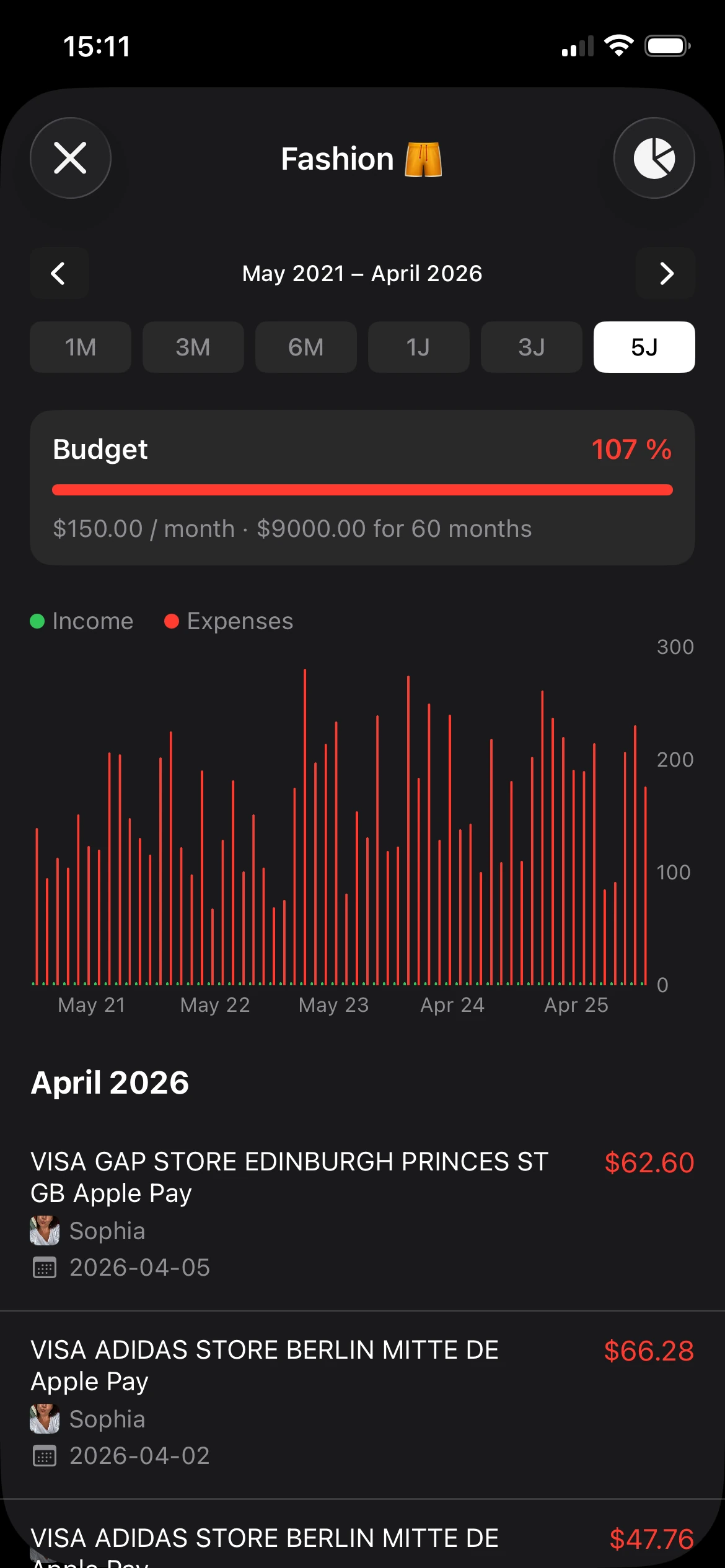
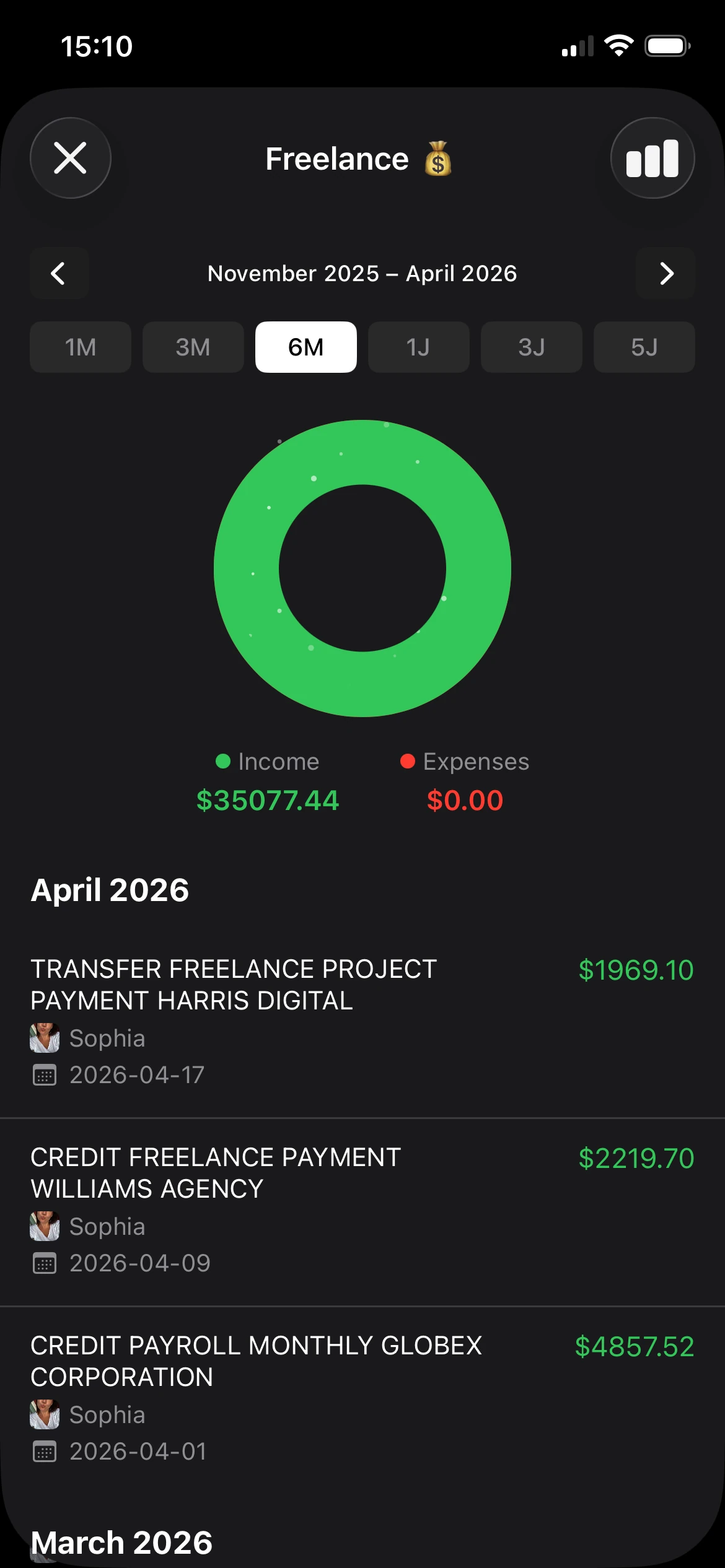
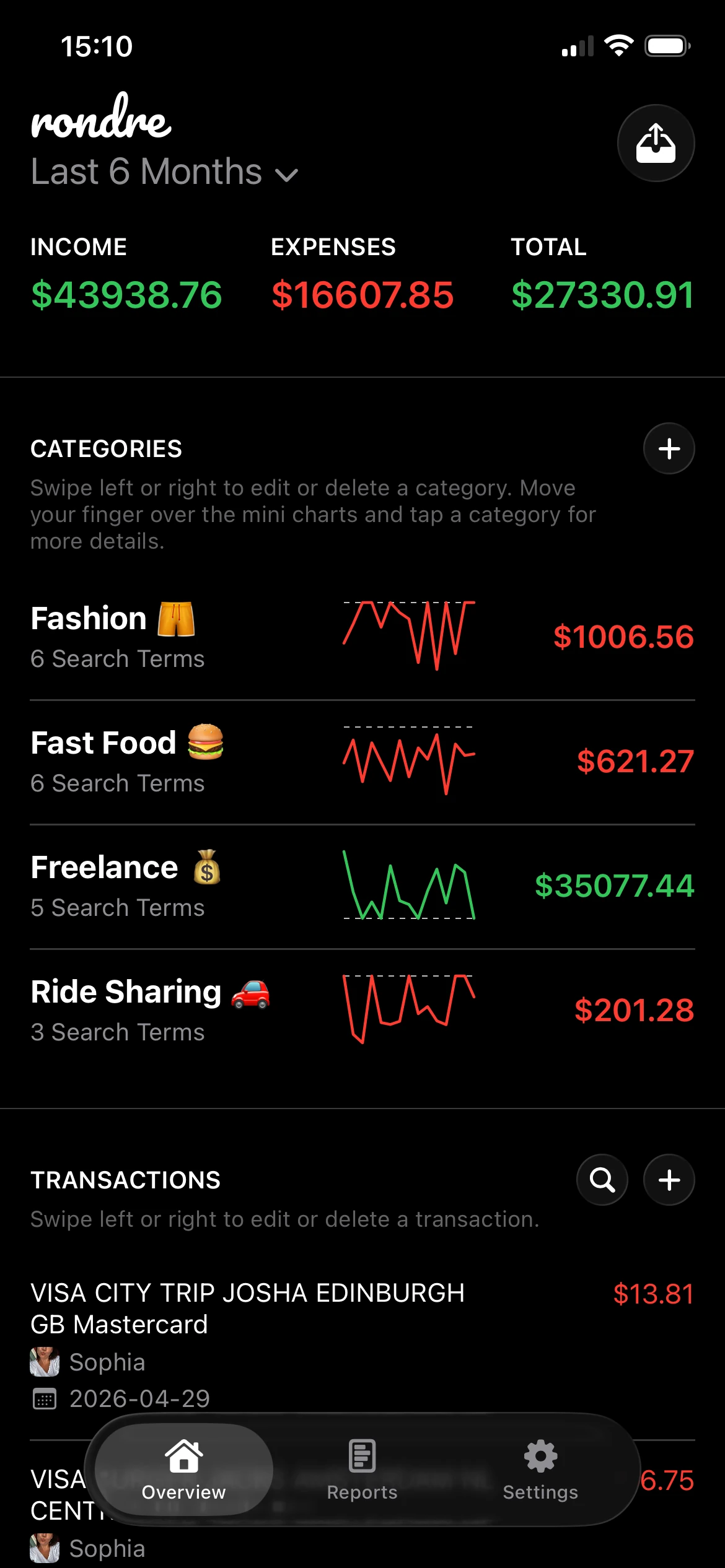
For readers who want a digital option instead of a spreadsheet, rondre can be used to record income and expenses, create smart categories with custom search terms, import CSV files and PDF bank statements, and keep shared household books in one place.
One more rule makes a huge difference. The first month is a draft. If groceries run over and personal spending stays under, move the numbers next month. The goal isn’t to defend the original estimate. The goal is to make the next version more accurate.
From Plan to Action: Tracking and Reconciling
A budget only works when actual spending gets compared with the plan. That’s the part many households skip, and it’s why budgeting can feel pointless. Writing numbers down once isn’t enough. Reconciliation is where awareness turns into control.
Tracking doesn’t have to happen every day. It just needs to happen often enough that course correction is still possible.
Use short review sessions
A weekly check-in is usually enough for most households. The review can be brief:
- Check new transactions and confirm they landed in the right category.
- Scan for category drift like dining out creeping up or duplicate charges hiding in a card account.
- Adjust before the month ends by shifting money from a lower-priority category if something unavoidable came up.
If a budget goes off track in week one, that’s not failure. That’s useful information while there’s still time to respond.
This is also where clean transaction search matters. Households need to find purchases quickly, fix categories, and move on. They do not need a complicated process that turns a ten-minute review into a full admin task. Readers who care about app data handling can review rondre's privacy approach before choosing a tool.
Handle irregular income carefully
Variable income needs a different rhythm. Handling irregular income is a major challenge, as 36% of the U.S. workforce now freelances, and these earners often undersave by 25% without proper tools for tracking variable income streams against fixed household expenses, according to No More Debts on budgeting with irregular income.
The safer approach is conservative. Budget from a lower, dependable baseline income, then treat stronger months as a chance to fill gaps, build reserves, or fund future uneven months. A holding account can help separate money that’s available now from money that still needs to cover upcoming essentials.
Households with uneven income often do better when they “pay themselves first” into savings or a buffer category before increasing discretionary spending. That reduces the whiplash between good months and lean ones.
Budgeting Together and Your First Actionable Step
Shared finances are rarely only about math. They’re also about timing, communication, and different comfort levels with spending. One partner may want detailed category tracking. The other may only want a quick overview. A workable household budget respects both.
That’s why regular check-ins matter more than perfect agreement on every purchase. Keep the meeting short, keep the tone neutral, and talk about categories rather than blame. “Groceries ran high this week” is productive. “You spent too much” usually isn’t.
A shared system helps because both people can look at the same information instead of arguing from memory. That matters because 28% of U.S. couples report money fights as their top relationship stressor, and shared budgeting using collaborative tools can cut overspending by 15-20% through mutual accountability, according to HRCCU's guide to realistic zero-based budgeting.
The first step doesn’t need to be dramatic. It can be simple. Set one short household money check-in this week. Gather the last month of transactions. Name the major categories. Then decide what needs to change next month, not what should have happened last month.
For readers who want a private tool built around tracking and shared books, rondre is one option to explore.
A simple next step is to try rondre, import the last month of transactions, and review the spending without setting any goals yet. Just getting the full picture is often the moment a household stops guessing and starts making decisions.