The month usually doesn’t end with one big financial mistake. It ends with a dozen small ones. A few takeout orders, a couple of rushed store runs, one online order that felt harmless, and then a bank balance that looks tighter than expected.
That’s why the cash budget envelope system still connects with people. It turns vague spending into something visible. Instead of hoping the card balance works out, a person gives each spending category a limit and sees that limit shrink in real time. For anyone who feels tired of checking statements after the fact, that shift matters.
Table of Contents
- Why Cash Envelopes Still Work in 2026
- Laying the Foundation for Your Envelope System
- Stuffing the Envelopes The Physical Method
- The Digital Envelope System with Rondre
- Managing Shared Finances with Envelopes
- Troubleshooting and Your First Actionable Step
Why Cash Envelopes Still Work in 2026
Friday afternoon is when many budgets fall apart. Someone stops for groceries, adds a few extras, taps a card, and only notices the overage days later. The purchase felt small in the moment. The total says otherwise.
That gap between the spending decision and the financial reality is why the cash budget envelope method still works. Cash makes the limit visible before the money is gone. You can feel the category getting tighter. You have to choose on purpose.
That practical friction matters, especially in a year when digital payments are built to fade into the background. Card charges, auto-renewals, and one-click checkouts remove the pause that helps people stay inside a plan. Cash puts that pause back.
The renewed interest in cash stuffing got wider attention in 2025, with LiveNOW from FOX reporting on the trend and highlighting success stories such as Jasmine Taylor of Texas, who used the method to pay off debt and made the approach feel attainable for regular households, not just budgeting enthusiasts. That attention did not revive envelopes on its own. The method keeps resurfacing because it solves a real behavior problem.
I see the same pattern with clients. People rarely overspend because they cannot do math. They overspend because the money feels invisible at the point of purchase.
Practical rule: If your budget shows up after you spend, it has less power to change the decision.
That is also where old-school envelopes and modern tools can work together instead of competing. Physical cash is excellent for categories that tend to drift, like groceries, dining out, or personal spending. Digital tracking is better for online purchases, recurring bills, and shared household money. A privacy-focused setup can give you the same category boundaries without forcing every dollar into a literal paper envelope.
For households that want that structure before building categories, a good starting point is this guide on how to create a household budget.
A budgeting system works best when you can keep using it during a busy week, a stressful month, or a season when spending gets messy. That is a key advantage of envelopes in 2026. They still teach awareness better than many apps on their own, and the right digital system can carry that discipline into everyday life, including shared finances.
Laying the Foundation for Your Envelope System
Most envelope budgets fail before the first dollar gets withdrawn. The problem isn’t the envelope. The problem is a made-up plan.
A strong setup starts with recent spending, not good intentions. Before assigning money to groceries, dining out, gas, or personal spending, it helps to review the last few months and see what happened. The method works best when the numbers are honest enough to survive a normal week.

Start with what already happened
Pull recent bank statements, card activity, receipts, or exported transaction files. Then sort spending into rough groups. The point isn’t perfect accounting. The point is to find patterns.
A simple review process works well:
- List income first. Use take-home pay, not a hopeful estimate.
- Separate fixed from flexible expenses. Rent, insurance, and subscriptions are one group. Groceries, fuel, eating out, and household extras are another.
- Spot overspending categories. These are usually the first envelopes worth creating.
- Look for repeat leaks. Convenience spending often hides in small transactions.
For readers who want a cleaner starting point, a practical companion is this guide to creating a household budget. It helps frame the envelope system inside a broader monthly plan instead of treating envelopes like a standalone trick.
Build categories that match real life
The biggest mistake is setting limits that sound responsible but don’t fit actual spending. If groceries have consistently been high, the answer isn’t pretending they won’t be. The answer is deciding whether shopping habits, store choice, meal planning, or category limits need to change.
The first version of a cash budget envelope setup should stay plain. Most beginners do better with a few categories they can manage than a dozen categories they abandon after two weeks.
A useful starting group often includes:
- Groceries: Food bought for home, including basic household staples if those purchases happen together.
- Dining out: Restaurants, coffee runs, takeout, delivery.
- Fuel or transport: Gas, transit reloads, parking if it happens often.
- Personal spending: Small discretionary purchases that tend to escape notice.
A realistic budget feels slightly uncomfortable, but not impossible.
There’s also a category many beginners forget. Buffer money. Even a disciplined spender runs into odd purchases, timing issues, or category overlap. Without some room for that, a neat envelope plan gets derailed by normal life.
Choose the envelope type before payday
Physical envelopes work best for in-person categories where spending tends to drift. Digital tracking works better for online purchases, subscriptions, and shared expenses. Many households need both.
That decision should happen before cash is withdrawn. Otherwise, people end up forcing every expense into cash, then breaking their own rules the first time they order something online or split a payment with someone else.
A good foundation isn’t exciting. It’s clear. Recent spending gets reviewed, categories stay limited, and each envelope has a job that matches daily life.
Stuffing the Envelopes The Physical Method
Friday afternoon is when this usually gets real. Payday hits, a client stops by the ATM, and for the first time they have to decide what each dollar is allowed to do before the week starts spending it for them.
That moment matters. Physical envelopes work because they turn a vague budget into a visible limit you can hold in your hand. According to Firstcard’s overview of envelope budgeting, many users stick with the method for months, but drop-off often comes from two predictable problems: cash feels inconvenient, and people create too many categories too fast. The practical fix is simple. Start small and keep the rules tight.
Set up the envelopes like a tool, not a craft project
A first system should look plain. Four labeled envelopes and a pen will do the job better than an elaborate binder you stop carrying after a week.
Use 3 to 4 envelopes for the categories that trigger the most unplanned spending. For many households, that means:
- Groceries
- Dining out
- Gas or transport
- Personal spending
Write three things on each envelope: the category, the budget period, and the starting amount. That keeps the system grounded in a real cycle instead of turning into loose cash floating around a bag or glove box.
Weekly stuffing works better for a lot of beginners than monthly stuffing. A weekly limit is easier to adjust, easier to remember, and less painful if one category was set too low.
If you keep pulling money from one envelope to rescue another, the problem is usually the category design or the amount, not your discipline.
How to stuff them without creating extra work
Withdraw only the cash for the envelope categories. Leave rent, subscriptions, utilities, online orders, and other digital expenses out of this step. Those are better handled outside the physical stack, especially if more than one person needs visibility.
Then use a simple routine:
- Count the cash before it goes into each envelope.
- Put only the assigned amount in each one.
- Keep a small note line on the front or inside flap for purchases and the remaining balance.
- Store the full set at home, and carry only the envelopes you expect to use.
That last step prevents a common mistake. If every envelope is always with you, every category starts feeling available.
Sample Weekly Cash Envelope Allocation
The exact amounts depend on income and spending history, so the sample below is a structure, not a prescription.
| Category | Weekly Budget | Notes |
|---|---|---|
| Groceries | Set from recent spending history | Keep food and household basics together if they’re usually bought in one trip |
| Dining out | Set a firm cap | This is often the easiest place to overspend without noticing |
| Gas or transport | Based on normal commute and errands | Add parking only if it happens often enough to matter |
| Personal spending | Small, flexible amount | Covers the little purchases that usually leak out of the budget |
The rules that keep cash envelopes useful
Physical cash has one big advantage. It creates friction at the exact point where spending decisions happen. Handing over bills for takeout feels different from tapping a card, and that pause helps.
But cash only works if the rules are clear:
- Record the purchase right away. Date, amount, and what is left.
- Treat an empty envelope as a stop sign. Refill only if you are revising the whole budget, not reacting to one impulse buy.
- Borrow rarely and name it clearly. If money moves from groceries to dining out, write it down. Hidden transfers are how envelope systems drift.
- Review at the end of each cycle. The goal is not perfection. The goal is learning which categories are realistic and which ones need a different plan.
Physical envelopes are strongest for fast, repetitive spending where self-control tends to wear down in the moment. They are weaker for online purchases, recurring charges, and shared household money that needs a record both people can see. That trade-off does not make the method outdated. It shows where paper helps, and where a digital layer does a better job.
The Digital Envelope System with Rondre
The classic envelope idea doesn’t have to disappear just because daily spending is digital. It just needs translation. The discipline comes from the limit and the visibility, not from paper itself.

Where physical cash starts to break down
A cash-only setup creates friction in useful places, but it also creates friction where it’s unnecessary. Online orders, subscriptions, pharmacy refills, school payments, and app-based purchases don’t fit neatly into a paper envelope. The same goes for transaction history. Cash is visible in the moment, then easy to lose track of later unless every purchase gets recorded by hand.
That’s why the strongest modern version of a cash budget envelope system is often hybrid. Cash handles the categories that benefit from physical limits. Digital tracking handles the categories that need convenience, history, and searchability.
A digital envelope approach can preserve the same core behaviors:
- One category, one limit
- Visible remaining room
- A pause before spending
- Review at the end of each cycle
How to mirror envelope discipline digitally
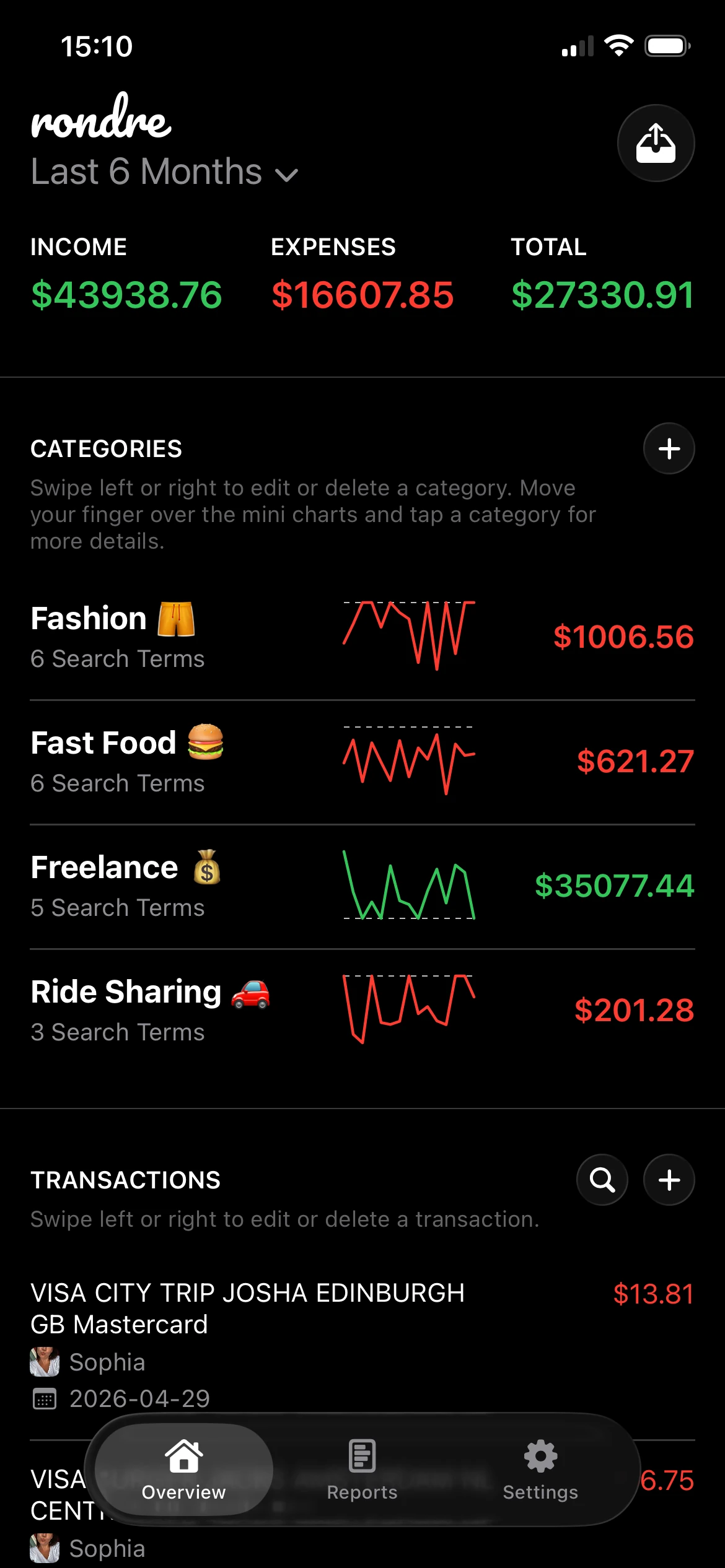
The easiest way to think about digital envelopes is this: each category functions like an envelope, and the spending view functions like opening it.
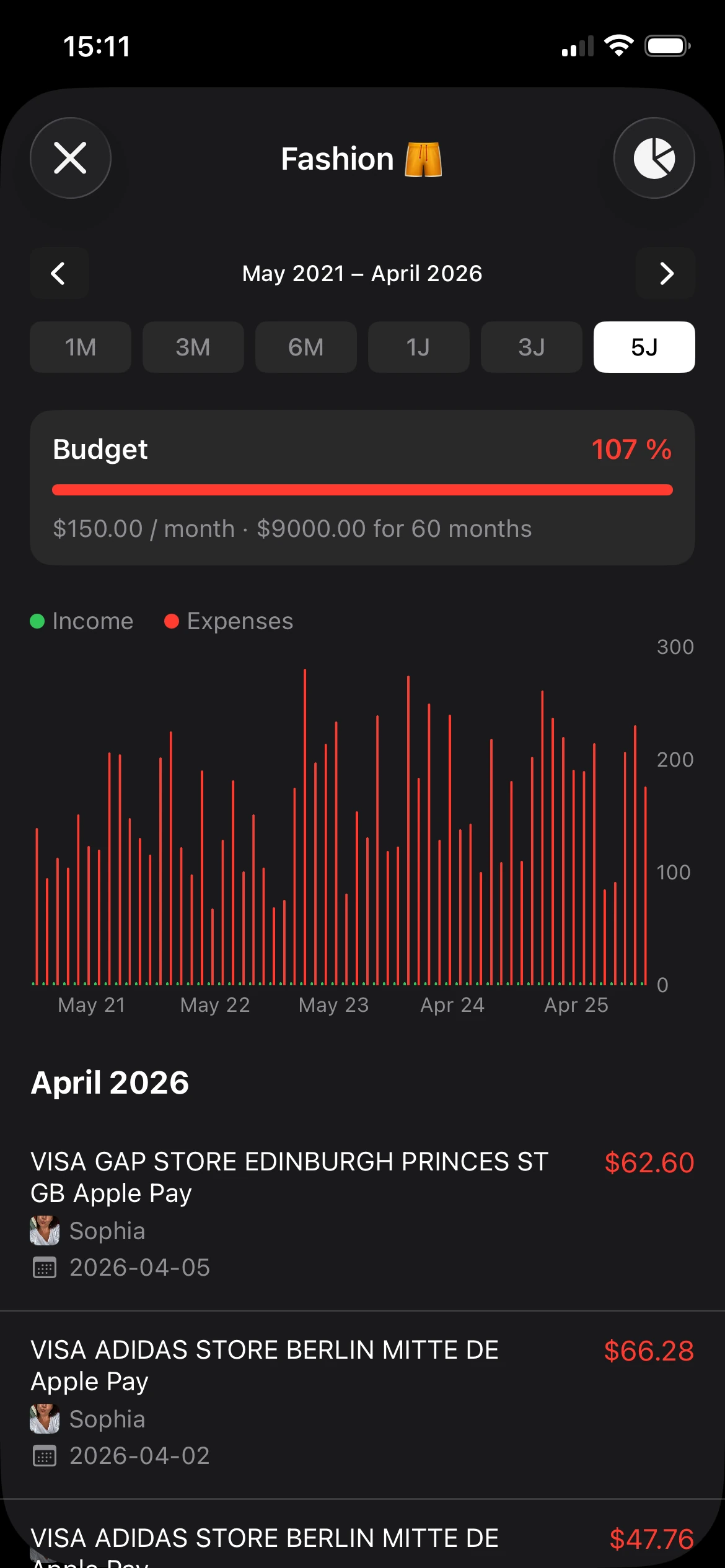
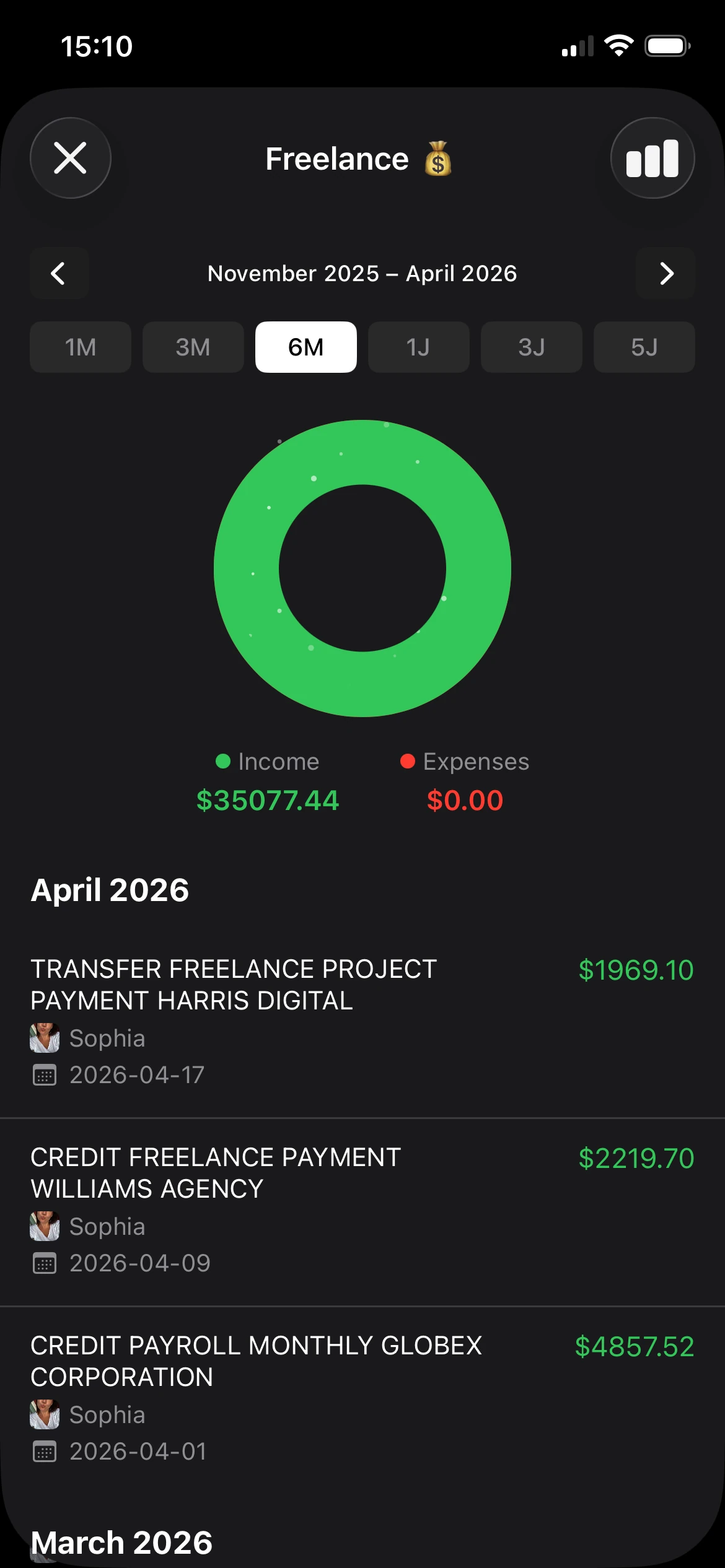
Instead of stuffing bills into paper, a person defines category limits and records transactions into those categories. When spending piles up in one place, the pressure becomes visible fast. Mini-charts and donut charts are useful here because they recreate one of the best parts of physical envelopes. They show at a glance which category is getting thin.
A digital envelope system fails when it becomes passive tracking. It works when the category limit changes behavior before the next purchase.
A practical digital setup usually looks like this:
- Create a short list of spending categories. Keep them close to how spending already happens.
- Import transaction history or log purchases consistently. That gives the system memory.
- Use custom search terms for messy merchants. One store might include groceries, pharmacy items, and household goods. Clean categories matter.
- Review categories mid-week. Waiting until month end turns the system into hindsight.
Digital envelopes also solve a problem physical cash can’t handle well. Search. When someone wants to know how much has gone to takeout, pet care, or late-night convenience spending, transaction search does in seconds what paper envelopes make tedious.
The point isn’t to replace discipline with software. It’s to keep the best part of envelopes, visible limits, while removing the parts that make people quit. For many households, that’s the version that lasts.
Managing Shared Finances with Envelopes
Envelope budgeting gets harder when more than one person is spending from the same pool. What feels clear for one person can become murky fast for two adults, a family, or anyone sharing household costs.
That problem isn’t minor. A 2023 National Foundation for Credit Counseling survey found that 42% of U.S. couples argue over money because they lack clear visibility into shared spending, as summarized in The Housewife Modern’s discussion of cash envelope budgeting for households. The same source says cash-only systems can increase disputes by 25% in multi-user households because physical envelopes don’t update in real time.

Why shared cash gets messy fast
A single grocery envelope sounds simple until one partner stops for milk, the other picks up dinner, and neither is fully sure what’s left. Then come the familiar questions. Who spent from it last? Was that household spending or personal spending? Did someone forget to write it down?
Cash also creates timing gaps. One person can spend from an envelope while the other still thinks there’s money left. That’s where disagreement starts. Not always because anyone is irresponsible, but because the system doesn’t show a shared live picture.
Common household friction points include:
- Split-category purchases: One receipt covers groceries, toiletries, and kid expenses.
- Different spending styles: One partner tracks everything. The other moves quickly.
- Uneven contribution habits: Shared spending feels unfair when it isn’t visible.
- Physical access: The envelope is at home, in one bag, or with one person.
Shared budgets need a single version of the truth. If each person holds a different picture, the budget will feel unfair even when the math is fine.
A better household approach
For couples and families, the strongest method is usually hybrid. Cash can still work for specific in-person categories like personal spending or a weekly grocery run. But shared household money needs visibility more than it needs paper.
A better setup uses clear shared categories for household spending, then lets both people see the same transaction record. That reduces memory-based budgeting, which is where many arguments come from. Instead of asking who spent what, the answer is already there.
A practical household system often divides money into three layers:
| Layer | Best use | Why it works |
|---|---|---|
| Shared essentials | Groceries, household supplies, kid costs, transport | Both adults need visibility |
| Individual spending | Personal treats, hobbies, no-questions-asked spending | Reduces friction and micromanaging |
| Irregular household funds | Repairs, medical, school costs, seasonal expenses | Keeps surprises from wrecking the monthly plan |
The key is coordination, not control. A household budget should reduce guesswork, not create another chore. If envelopes are causing more conversations about tracking than about actual priorities, the system needs an update.
Troubleshooting and Your First Actionable Step
A better budgeting philosophy isn’t always the solution. What's often needed is a method to recover when the plan gets messy. That’s where envelope systems either become useful or get abandoned.
The first rough patch usually shows up in one of three places. A category runs out early. An online purchase doesn’t fit the cash system. Or an irregular expense blows through the month.
When a category runs out early
An empty envelope isn’t proof that the whole budget failed. It usually means one of two things. The category was underfunded, or spending drifted faster than expected.
The fix depends on which problem happened:
- If the category was unrealistic: Raise it next cycle and reduce a lower-priority category.
- If spending was impulsive: Keep the category the same and change behavior, not the math.
- If receipts were mixed: Split purchases more carefully so groceries don’t hide extra spending.
- If online spending caused confusion: Assign online purchases to the same category immediately instead of “sorting it out later.”
A useful rule is to change the system calmly, not emotionally. Rebuilding the whole budget after one hard week usually creates more confusion.
How to handle irregular expenses without blowing up the system
Many beginners often give up. The monthly plan looks fine until a car issue, medical bill, or household repair appears. Then the person decides budgeting doesn’t work.
The problem isn’t budgeting. The problem is treating irregular costs like they don’t count. According to Patriot Federal Credit Union’s guidance on cash stuffing and sinking funds, irregular expenses such as medical bills or car repairs derail 40% of new budgeters. The same source recommends annualizing expected costs and creating a dedicated sinking fund envelope. It also reports that allocating 5% to 10% of the total budget to contingency funds can raise first-month success to 85%.
That means a working envelope system needs a category for expenses that aren’t monthly but are still normal.
Don’t call a car repair unexpected if the car is used every week. It’s irregular, not imaginary.
A simple response plan works well:
- Name the likely irregulars. Car repairs, medical costs, gifts, school events, pet care.
- Estimate an annual total. Use memory, old statements, or recent records.
- Divide that across the year. Then set aside the amount regularly.
- Keep it separate. A sinking fund only works if it doesn’t become extra grocery money halfway through the month.
The first actionable step should stay small. Track one problem category for one week. Groceries work well. Dining out is another good option. Record every purchase, review the pattern, and decide whether that category should become the first envelope.
A simple way to start is to download rondre and track just one spending category this week. No account, no ads, and no setup marathon. Import statements or enter purchases manually, then watch the category trend before the next week starts. That one small habit can turn a vague budget into a system that holds.