The usual breaking point looks the same in a lot of homes. A parent asks for shoes to be put away, someone says “in a minute,” the dishwasher sits full until bedtime, and money conversations only happen when a child wants something expensive. The house problem and the money problem start blending together.
A chore chart for money can fix more than a messy kitchen. Used well, it teaches that work has value, basic responsibilities come first, and money needs a job once it’s earned. That shift matters. Kids stop seeing cash as something adults hand out and start seeing it as something they manage.
The part many families miss is this: paper charts and loose bills can get chores started, but they don’t reflect how money works for most households anymore. Children are growing up in a world of cards, apps, transfers, and transaction histories. A good system should teach that reality, not just hand over a few crumpled dollars on Friday.
Table of Contents
- Beyond Nagging Why a Chore System Pays Off
- Designing Your Family's Economy from the Ground Up
- Choosing Age Appropriate Chores and Setting Rates
- How to Track Earnings and Payments Digitally
- Troubleshooting Common Chore Chart Problems
- Your First Step to Financial Literacy Today
Beyond Nagging Why a Chore System Pays Off
Monday evening is where a weak chore chart falls apart. A parent is repeating reminders, a child is arguing that they already cleaned up, and nobody is fully sure what counts as done or what, if anything, gets paid. A good system fixes that before the conversation starts.
The payoff is not just a cleaner house. The payoff is a house with fewer arguments about work, money, and fairness. Children can see what belongs to everyday family life, what earns extra money, and why payment happens after the job is finished and checked.

A money-based chore system works best when it is tied to real effort, not used as a payment for basic cooperation. Kids should help at home because they live there. They should also have a clear way to earn more through extra work. That split teaches responsibility on one side and money skills on the other.
A strong chore system doesn't just reduce reminders. It gives children repeated practice with earning, waiting, choosing, and living with the result.
An allowance can teach a child how to divide money after they receive it. An earned system teaches the step that comes before that. Work gets completed first. Then money is recorded, paid, saved, spent, or held back until payday.
That order matters more now because children often watch adults tap a card, send money by app, or buy online without seeing the tracking behind it. A paper chart can still handle the visual part well. Pair it with a private digital ledger, and kids start to see how modern money works. Earnings are logged, balances carry over, and spending decisions leave a record.
What this changes in real life
A well-run chore chart for money improves daily life in ways parents notice fast:
- Less negotiation: Children know which jobs are part of family life and which ones can add to their balance.
- Clearer standards: “I cleaned it” is easier to check when the chart spells out what finished work looks like.
- Better money habits: Kids start thinking about timing, trade-offs, and whether they want to spend now or wait.
- More realistic expectations: Payment follows completed, approved work. It does not happen the second a child starts.
The wait between finishing a job and getting paid is a small detail, but it teaches a big lesson. I have found that even a one-week payday changes how children think. They stop treating money like something that appears on demand and start treating it like something they earn, track, and plan to use.
Designing Your Family's Economy from the Ground Up
Before assigning a single task, a family needs to decide what kind of economy it wants to run. Without that step, the chart turns into random jobs, random pay, and constant exceptions.
The most dependable approach is a hybrid model. Some jobs are unpaid because they are part of being a member of the household. Other jobs are paid because they go beyond ordinary self-care and shared responsibility.

Why the hybrid model works
Children shouldn't be paid for every act of basic functioning. Making a bed, putting dirty clothes where they belong, and cleaning up personal messes fit better as family contributions. Those jobs build responsibility without turning every request into a transaction.
Paid chores should sit above that line. Think of jobs that help the household in a bigger way or require extra effort. Washing the car, deeper cleaning, special organizing jobs, or handling a task that normally belongs to an adult fit better here.
Consumer Credit points to this split directly. A hybrid system that separates unpaid family duties from paid extra chores supports financial learning, and enforcing a family first rule before paid chores are available prevents a 60% drop in family chore adherence (hybrid chore guidance from Consumer Credit).
Practical rule: No paid extras become available until unpaid basics are done.
That single rule solves a lot of resentment. It keeps children from trying to earn money while their own room, dishes, or morning responsibilities are ignored.
Rules that keep the system fair
The families who stick with a chore chart for money usually make the rules boringly clear. Ambiguity is what creates arguments.
A workable system needs these parts:
A written definition of done
“Clean the bathroom” is too vague. “Wipe sink, clean mirror, empty trash, sweep floor” is better.A review step before payment
Payment follows inspection, not announcement.A fixed pay window
Daily or weekly both work. What matters is consistency.A short list of strict rules No paid work before basics. No arguing a task into existence afterward. No surprise rates.
A simple comparison helps:
| Type of task | Paid or unpaid | Why |
|---|---|---|
| Making the bed | Unpaid | Basic self-management |
| Putting laundry in hamper | Unpaid | Personal responsibility |
| Vacuuming the car | Paid | Extra household value |
| Organizing the pantry | Paid | Beyond standard daily upkeep |
Many parents make the system too generous too quickly. That usually backfires. If every ordinary task pays, children can start treating family life like a menu of billable actions. The chart should teach contribution first, then earning.
Another mistake is changing the standards when everyone is tired. The moment a parent pays for half-done work “just this once,” the actual standard has been rewritten.
Choosing Age Appropriate Chores and Setting Rates
A seven-year-old who is asked to “help more” will stall. A seven-year-old who is told, “Put shoes in the basket, wipe the table, and earn a dollar for washing the patio door,” can get started. Children handle chore charts better when the jobs match their age, the rate is clear, and the finish line is obvious.
Start smaller than you think. Young children can manage a short list of simple jobs. Teenagers can carry more responsibility, but they still need tasks with a defined standard. I have found that a modest chart gets better follow-through than an ambitious one that collapses by Wednesday.
Financial guidance cited by Not Consumed recommends keeping the list limited for younger children, expanding it for teens, and using simple pay amounts that are easy to count and compare (age, pay, and money-habit guidance from Not Consumed).

What younger children can handle
For younger kids, the goal is repetition. They need jobs they can remember, complete, and repeat tomorrow without a fresh debate.
Good options include:
- Simple reset jobs: Put toys away, place shoes in the right spot, wipe a low table.
- Basic room care: Make the bed, straighten blankets, carry laundry to the basket.
- Small helper tasks: Match socks, dust easy surfaces, bring napkins to the table.
Pair one or two unpaid daily responsibilities with a few paid extras. That split keeps the message clear. Every child contributes to the home. Extra effort can earn money.
What older kids can earn from
Older kids can take on work that saves an adult time, needs better quality control, or takes more stamina. That is where rates can rise a bit, but the job still needs a written definition of done.
Examples that fit well:
- Household cleaning jobs: Mop a room, clean the fridge shelf, vacuum stairs.
- Outdoor tasks: Weed a section of the yard, sweep the patio, wash the car.
- Support work: Prep part of a meal, help sort groceries, fold household towels.
Some families use a flat weekly amount for a list of extra chores. Others pay per task. Per-chore systems are often easier at the beginning because children can see exactly what created the money, and parents can connect effort, quality, and pay without long explanations.
A quick decision guide helps:
| Payment style | Best for | Trade-off |
|---|---|---|
| Per chore | Beginners, younger kids | More tracking |
| Weekly set amount for extra list | Older kids, stable routines | Less immediate feedback |
| Mixed model | Families with different ages | Takes more setup |
How to split the money after it is earned
The earning side matters, but the handling side matters just as much. If every dollar goes straight to candy, game credits, or impulse buys, the child learns to work for money without learning to direct it.
A better system sorts money on purpose. Use three buckets or three categories in your private finance tracker: save, share, and spend. Paper charts can show what was earned. A digital tracker can show where it went, which is much closer to how adult money works now.
- Save: Money for a bigger goal or for practicing delayed gratification.
- Share: Giving, gift buying, church, charity, or helping someone else.
- Spend: The portion available for casual wants.
Children learn budgeting faster when earned money has a destination before it has a temptation.
Keep rates boring. Round numbers work best. If common paid chores land around a dollar or another simple whole amount, children can do the math in their heads, compare effort across jobs, and later see the same categories reflected clearly in a digital record.
How to Track Earnings and Payments Digitally
The classic paper chart has one advantage. It's visible. The classic jar of cash has one advantage. It feels real. But both break down once a family wants an actual record.
Paper gets lost, jars get raided for change, and nobody remembers whether a child already got paid for cleaning the car two Saturdays ago. That doesn't just create confusion. It teaches a sloppy version of money management.
Why jars and paper fall short
Most chore advice still leans heavily on printable trackers and physical cash, but that misses how money works for most households now. A child can learn that coins are tangible and still miss the bigger lesson that real financial life runs on records, categories, and review.
Money Prodigy highlights this gap clearly. Most chore chart advice promotes paper systems, yet that fails to prepare kids for a digital economy. The piece cites a 2025 NerdWallet study saying families using digital trackers for allowances save 15% more on household expenses by spotting patterns, and it notes a 25% yearly rise in family finance app adoption (digital allowance tracking discussion at Money Prodigy).

That doesn't mean families need to abandon visible charts entirely. A paper checklist on the fridge can still help with completion. The weak point is using paper as the financial record.
What a digital family ledger should include
A digital system works best when it behaves like a simple family bank. Every earned chore gets logged as income. Every purchase or withdrawal gets logged as spending. Every amount set aside for saving or giving gets its own category.
The key pieces are straightforward:
- Separate categories: Create clear labels for earned chore money, spending, saving, and sharing.
- Transaction notes: Add the actual task completed, such as “washed car” or “folded towels.”
- Shared visibility: When both adults can see the same ledger, pay disputes drop fast.
- Searchable history: Children can look back and connect effort with results over time.
Cash disappears quietly. A ledger doesn't.
Digital tracking also creates a better conversation. Instead of “You spent it already?” the discussion becomes “You chose to spend from your spend bucket, so your save bucket stayed intact.” That language is closer to how adults manage real money.
It also solves the memory problem. Parents don't have to keep mental tabs on what was promised, what was paid, and what still sits pending. The record handles that.
For families already using a digital finance routine, chore money doesn't need to be treated like a side project. It can live inside the same habits as the rest of household money, which makes the lesson feel normal instead of theatrical.
Troubleshooting Common Chore Chart Problems
Tuesday night is where chore systems get exposed. One child wants credit for a half-clean bathroom, another points out that a sibling got paid more last week, and a parent cannot remember what was promised. That kind of friction is normal. It does not mean the chart was a bad idea. It means the system needs clearer rules, faster tracking, and fewer judgment calls.
Most problems come from one of three gaps: unclear standards, inconsistent follow-through, or weak recordkeeping. Paper charts can show what was assigned, but they break down fast when children want to check balances, compare earnings, or argue about whether they were paid. A private digital ledger gives you a neutral record. The paper chart still works on the fridge for visibility. The money record needs to live somewhere searchable.
When kids stop caring about the money
This happens more than parents expect. A child saves for a goal, reaches it, and suddenly the paid chores lose their appeal. That is manageable as long as unpaid family responsibilities still get done.
The fix starts with a rule many families skip. Basic household jobs belong to family membership, not the pay system. Paid chores sit on top of that. If those two categories blur, every task turns into a negotiation.
When motivation drops, these responses help:
- Cut the paid list down: A shorter menu feels concrete and easier to act on.
- Connect spending to available balance: If a child wants something, check the ledger together before discussing it.
- Rotate in real household needs: Washing the car, sorting donations, or helping with yard cleanup can feel more meaningful than repeating the same paid task every week.
- Review the rates: If nobody wants a job, the payment may be too low for the effort involved.
I have found that money alone is not enough for long. Children stay engaged when the system feels fair, the expectations are stable, and they can see progress clearly. That is one reason a simple digital record helps. It makes the reward visible without a parent having to deliver a speech every time.
When chores are half done or argued over
Parents set the standard here. If “close enough” gets paid on a rushed evening, children learn that negotiation beats effort.
Use a completion rule that leaves little room for debate. The job is either done to the agreed standard or it is not paid yet. “Yet” matters. Children should have the chance to fix the work and get paid after it meets the standard.
A few practices make that rule easier to hold:
- Define done in writing: “Clean bathroom” is vague. “Wipe sink, scrub toilet, replace towel, empty trash” is clear.
- Check work soon after completion: Delayed review creates memory problems and more arguing.
- Use photos for recurring jobs: A quick before-and-after photo can settle disputes without a long discussion.
- Log approval right away: Once the chore passes inspection, enter it in the ledger immediately so nobody has to rely on memory.
For families already trying to connect chore money to bigger money habits, a short guide to creating a household budget that fits real life can help you set rules that match the rest of your home finances.
When siblings compare payouts
They will compare. That is not a flaw in the system. It is part of how children test fairness.
Do not force every rate to match if the jobs are different. A bathroom deep clean can pay more than matching socks because the effort, time, and resistance level are different. What matters is that the pricing logic is consistent and explained in plain language. Older kids can also handle harder or less pleasant work, which often justifies a higher rate.
The mistake is changing rates midstream without saying so. Put the amounts in writing, keep them visible, and update them in one place.
When parents are the weak link
This is the failure point in many homes. Parents get busy, forget to inspect chores, hand out cash without recording it, or make exceptions because the day went sideways.
Build the system for tired adults, not ideal adults. Keep the paid chore list short. Decide in advance what counts as complete. Record payments in one place on the same day. If two adults are involved, both need access to the same tracker.
Children can live with strict rules. They struggle with changing rules. Consistency beats enthusiasm every time.
Your First Step to Financial Literacy Today
A chore chart for money works when it teaches two truths at the same time. Everyone contributes because they belong to the family, and extra effort can create extra earning power. That combination builds responsibility without turning the home into a constant negotiation.
It also gives children practice with the practical mechanics of money. They earn, wait, allocate, spend, and sometimes run out. Those are useful lessons to learn while the stakes are still small.
For families who want stronger money habits across the whole household, it's worth pairing a kid-friendly chore system with a broader family budget. A simple guide to creating a household budget that fits real life can help connect chore earnings with the bigger picture of how money moves through a home.
The best first step is small. Pick three unpaid family responsibilities, choose two paid extra chores, and write down exactly what “done” means for each one. Then decide where earned money goes before any child earns the first dollar. That single setup meeting prevents most of the confusion that usually kills the system.
A working system doesn't need to be fancy. It needs to be clear enough to survive an ordinary Tuesday.
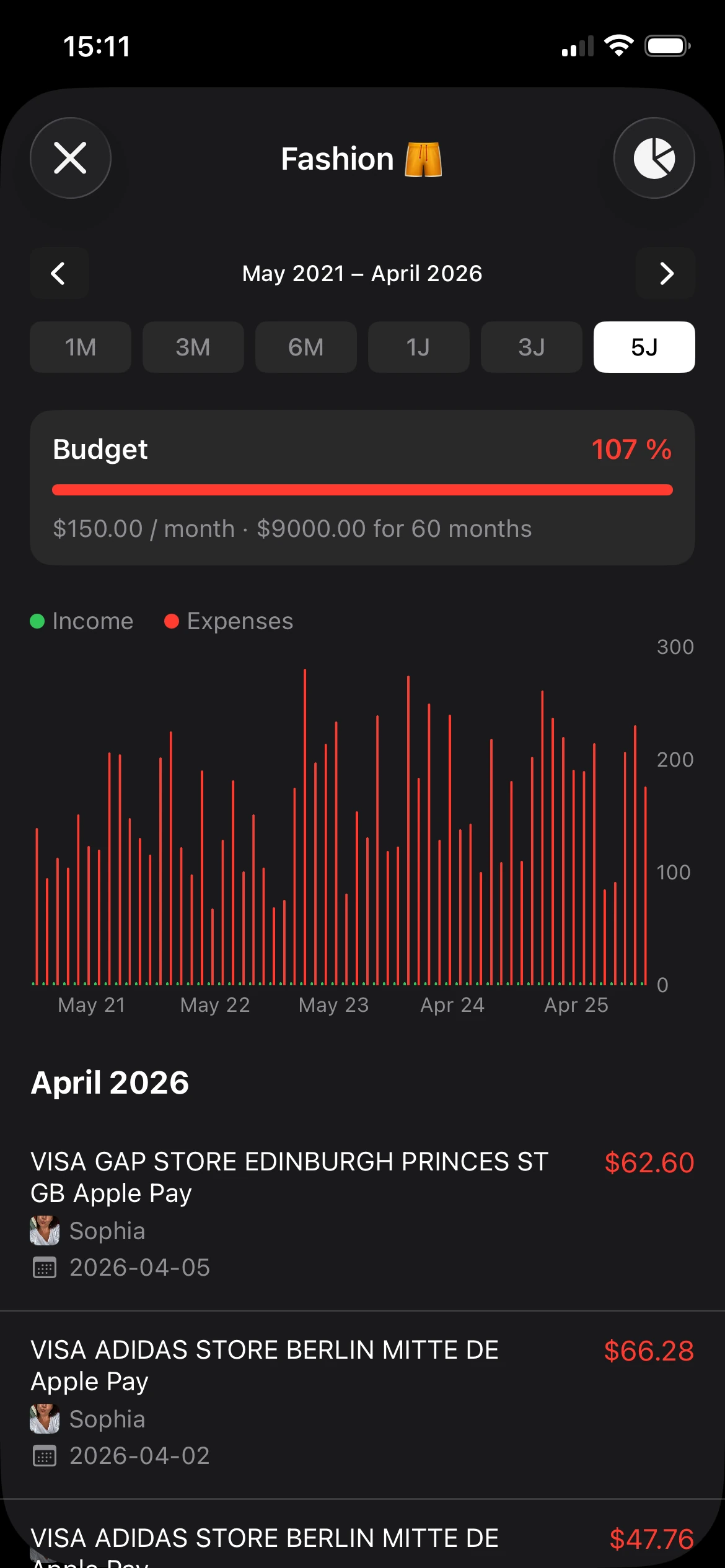
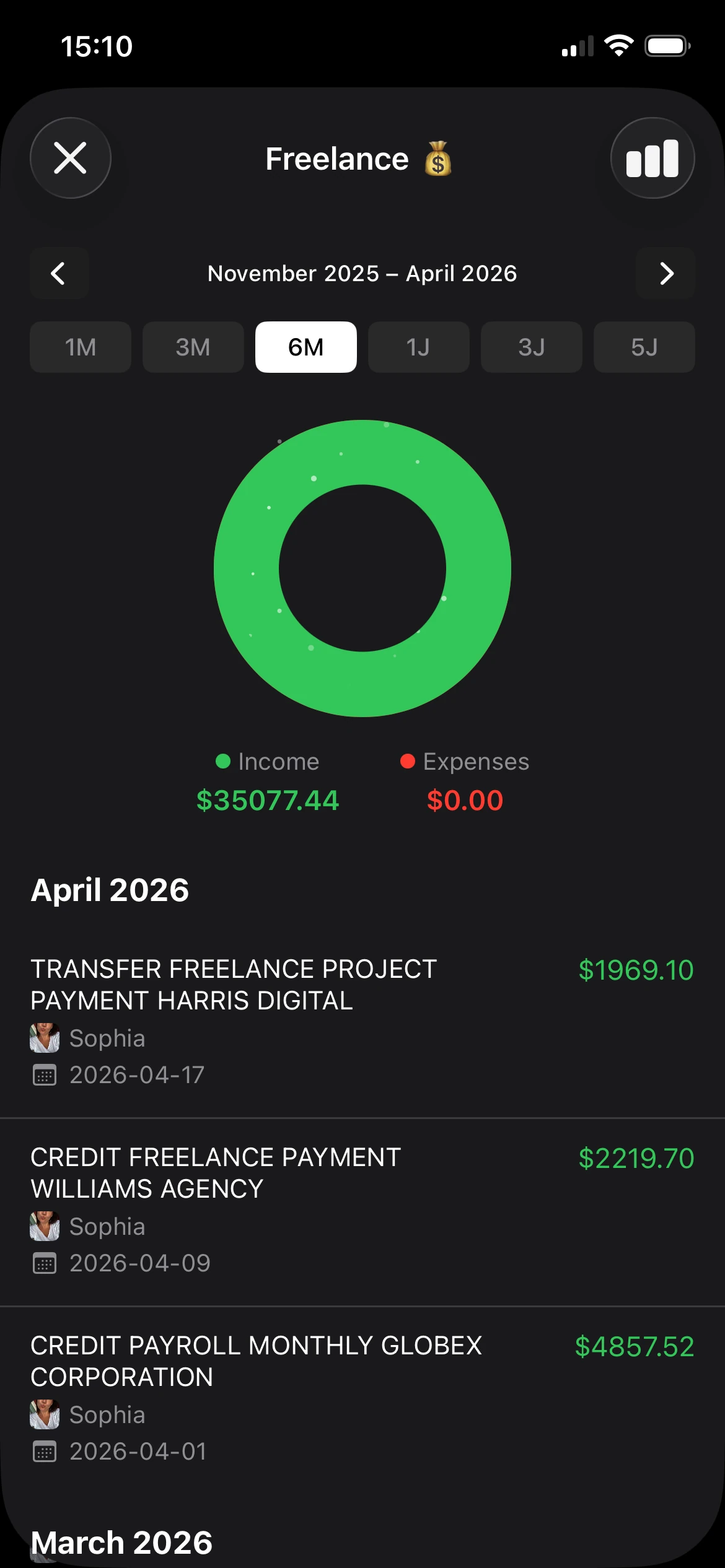
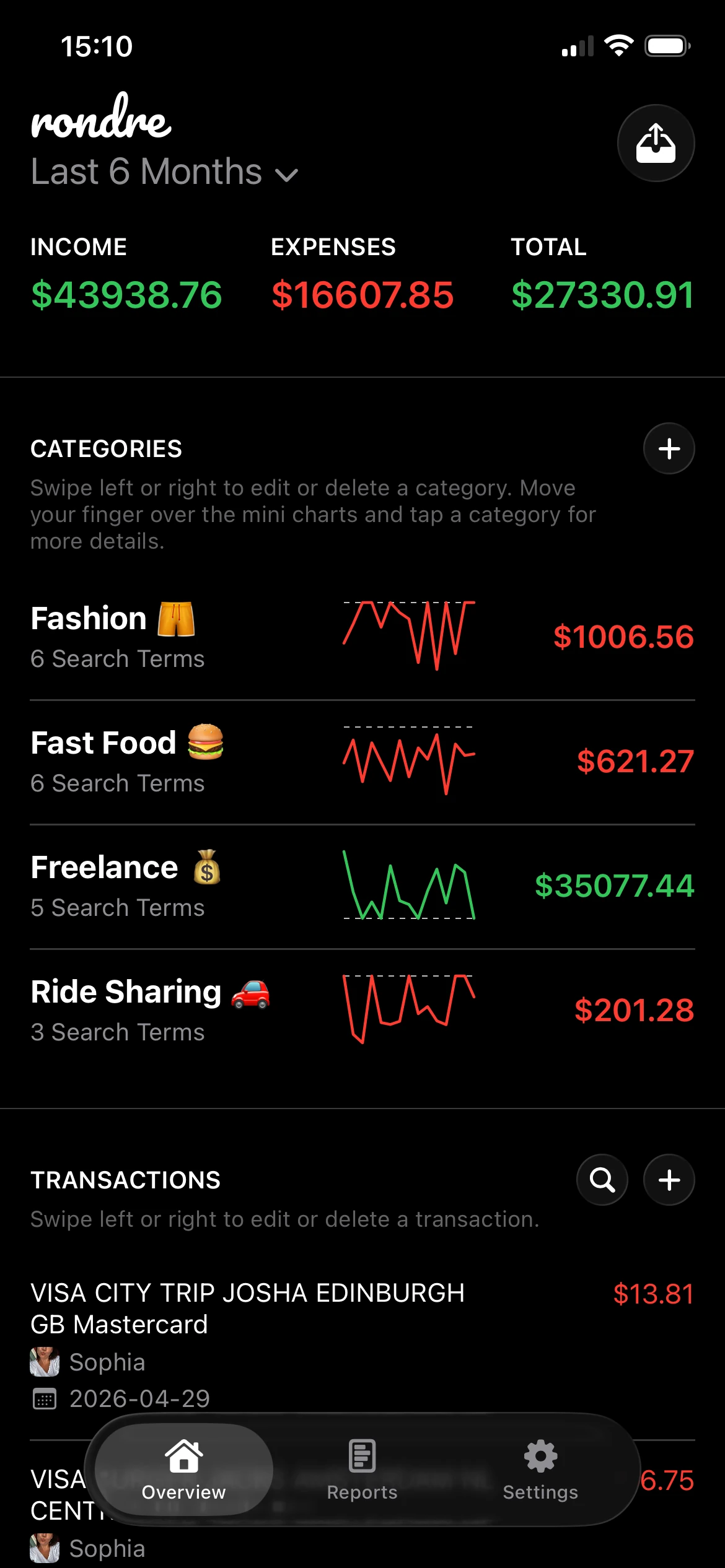
If a family wants a simple way to track chore earnings, spending, and shared household money in one private place, rondre is worth trying. It’s free, has no ads, no tracking, no account setup, and makes it easy to record transactions, organize them with custom categories, and share a book with a partner or family member. That makes it a practical fit for turning a paper chore chart into a real money habit kids can learn from.