TL;DR: Fixed expenses are the bills you can usually count on each month, like rent, insurance, or a car payment. They give your budget a starting number, much like the floor under a house. Once you know that floor, it becomes much easier to see how much room is left for groceries, fun, savings, and surprises.
A simple pattern often repeats. Rent hits. The phone bill goes through. A subscription renews. These charges can feel heavy when money is tight, but their predictability also makes them useful.
That is why fixed expenses are often the best place to begin. If you list them in a private tool like rondre and total them into one monthly amount, you get a clear baseline fast. From there, budgeting stops feeling like guessing and starts feeling like making decisions with a map.
Table of Contents
- Your Budget's Predictable Foundation
- What Are Fixed Expenses Exactly
- Fixed vs Variable and Periodic Expenses
- How to Calculate and Track Your Fixed Expenses
- Using Fixed Costs for Smarter Budgeting
- Practical Tips to Reduce Your Fixed Expenses
Your Budget's Predictable Foundation
A budget can feel blurry at first. The bills all show up on the same screen, and it is hard to tell which ones set the rules for the month and which ones can flex.
Fixed expenses give the budget its shape. They work like the foundation under a house. Rent, insurance, loan payments, and recurring memberships tend to show up on a set schedule and stay close to the same amount, so they form the monthly baseline that everything else has to fit around.
That baseline is useful in real life. Once a person knows it, everyday money decisions get easier to sort through. A new apartment, a streaming subscription, or a higher insurance premium can be judged against one clear number instead of a vague feeling.
This is also where tracking becomes more practical than definition alone. In an app like rondre, fixed expenses are often the first category to enter because they are the easiest costs to confirm and repeat. Once they are listed, the budget stops feeling like guesswork and starts to feel organized.
A quick scan usually reveals the familiar pattern:
- Housing costs like rent or a mortgage
- Debt payments such as a car loan or student loan
- Insurance premiums that stay steady during the policy term
- Recurring services like memberships and subscriptions
The goal is not to build a perfect budget in one sitting. The goal is to find the predictable floor first. From there, the rest of the plan gets much easier to manage.
What Are Fixed Expenses Exactly
Fixed expenses are easiest to understand when they’re treated as the steady base of a budget rather than a technical accounting term. In plain language, they’re the bills that usually stay the same in amount and arrive on a regular schedule.
The simplest way to think about them
Definition: Fixed expenses are recurring costs that remain relatively constant over time, regardless of short-term changes in spending behavior or activity.
That’s the core definition of fixed expenses. A person can drive less this week, skip takeout, or stay home all weekend, and those choices still won't change the rent payment that comes due.
In accounting, the same idea shows up in business. A $10,000 monthly rent payment stays the same whether a company sells 1,000 units or 10,000 units, as explained by AccountingCoach’s overview of fixed expenses. The activity changes. The fixed cost doesn't.

How they show up in real life
A fixed expense usually has three traits:
- It repeats regularly. The charge tends to appear monthly, quarterly, or annually.
- It stays close to the same amount. The bill may change later, but it doesn't swing much from one cycle to the next.
- It’s hard to change quickly. Contracts, leases, and policies often lock the cost in for a period of time.
People often get confused by the word “fixed.” It doesn't mean the cost can never change. It means the cost is stable for now. Rent can rise at renewal. Insurance can increase when a policy resets. A subscription can change price. Until that happens, though, the bill is predictable enough to plan around.
A useful test is simple. If a person can usually name the amount before opening the bill, it’s probably a fixed expense.
That’s why fixed costs are such a good starting point in a budgeting routine. They’re visible, repeatable, and easier to organize than spending that changes every week.
Fixed vs Variable and Periodic Expenses
People don't usually struggle with the definition of fixed expenses because the idea is hard. They struggle because everyday bills don't always fit into neat boxes. Some costs are stable every month. Some change constantly. Others are predictable but only show up a few times a year.
Why people mix these up
A phone plan may feel fixed. An electric bill may feel fixed too, until summer arrives and usage jumps. Car insurance might look monthly for one household and semiannual for another. The confusion usually comes from mixing up amount and timing.
A fixed expense is regular and mostly stable. A variable expense changes with usage or choice. A periodic expense is expected, but it doesn’t hit every month.
Ramp’s discussion of fixed and variable expenses notes that fixed expenses’ share of household spending rose from 31% to 36% between 2000 and 2023, which helps explain why categorizing them well matters. The same source explains the 28/36 rule, which caps fixed housing debt at 28% of gross income and total fixed debt at 36% as a way to judge financial stability.
A simple comparison
| Expense Type | Frequency | Amount | Example |
|---|---|---|---|
| Fixed | Regular | Usually the same | Rent, car payment, subscription |
| Variable | Regular or irregular | Changes often | Groceries, gas, dining out |
| Periodic | Less frequent but expected | Often known in advance | Annual insurance bill, yearly fee, holiday spending plan |
A few examples make the differences clearer:
- Rent is fixed because it tends to arrive every month at the same amount.
- Groceries are variable because the total changes with prices, habits, and household needs.
- An annual insurance premium is periodic because it’s predictable, but it doesn’t hit every month.
Practical rule: Ask two questions. Does it repeat on a schedule, and does the amount stay mostly the same? If both answers are yes, it likely belongs in the fixed category.
A common mistake is labeling every recurring bill as fixed. Some recurring bills are still variable. Utilities are a classic example. They may arrive monthly, but if the amount changes with usage, they usually belong in the variable bucket or in a mixed category if a household wants to track a base charge separately.
Another mistake is ignoring periodic costs because they’re not monthly. That creates budget surprises. A household can feel “on track” for months and then get thrown off by a bill that was fully predictable.
The cleanest approach is simple:
- Fixed for stable recurring obligations
- Variable for spending that changes with behavior
- Periodic for scheduled costs that don’t happen every month
That one distinction can make a budget much easier to trust.
How to Calculate and Track Your Fixed Expenses
The definition of fixed expenses becomes useful when it turns into a number. That number is the total amount a household has already committed before flexible spending begins.
Start with a quick financial audit
A simple audit works well:
- Review recent statements. Bank and card records usually reveal the pattern quickly.
- Highlight repeating charges. Look for the same merchant, similar amount, and similar date.
- Separate true fixed costs from changing bills. Rent belongs on the fixed list. Groceries usually don't.
- Watch for quiet commitments. Subscriptions and memberships are easy to miss because they’re small and automatic.

Paper statements can work, but digital sorting is often easier. Importing CSV files or PDF bank statements into a tracker can make repeating charges stand out faster because identical merchants cluster together instead of being scattered across separate documents.
Turn the list into one monthly number
After the charges are identified, the next step is to turn the list into one clean total.
- Group housing first. Rent or mortgage usually anchors the list.
- Add debt payments next. Car loans, student loans, and other scheduled payments belong here.
- Include recurring services. Memberships and subscriptions count if they repeat consistently.
- Convert periodic bills into monthly equivalents. If a known bill appears less often, dividing it into a monthly planning amount can prevent surprise.
The goal isn't a perfect spreadsheet. The goal is one number that shows what the month already costs before optional spending begins.
This total becomes a decision tool. If the number feels heavier than expected, that’s useful information. It shows where pressure is coming from, and it points to the commitments worth reviewing first.
A shared household can also benefit from building this list together. Joint expenses are often clearer when both people can see the same recurring obligations in one place instead of piecing them together from separate accounts and memory.
Using Fixed Costs for Smarter Budgeting
A fixed-cost total gives your budget a starting line.
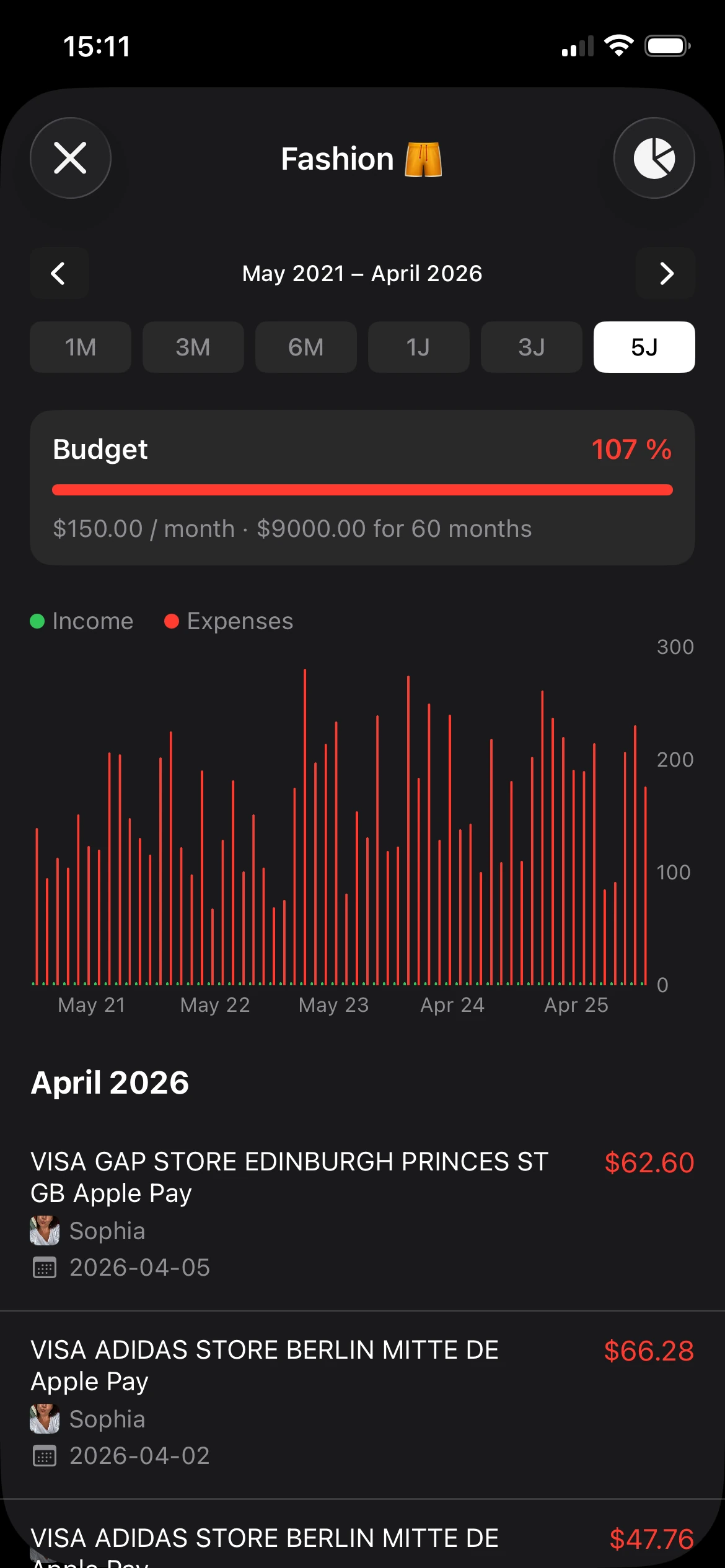
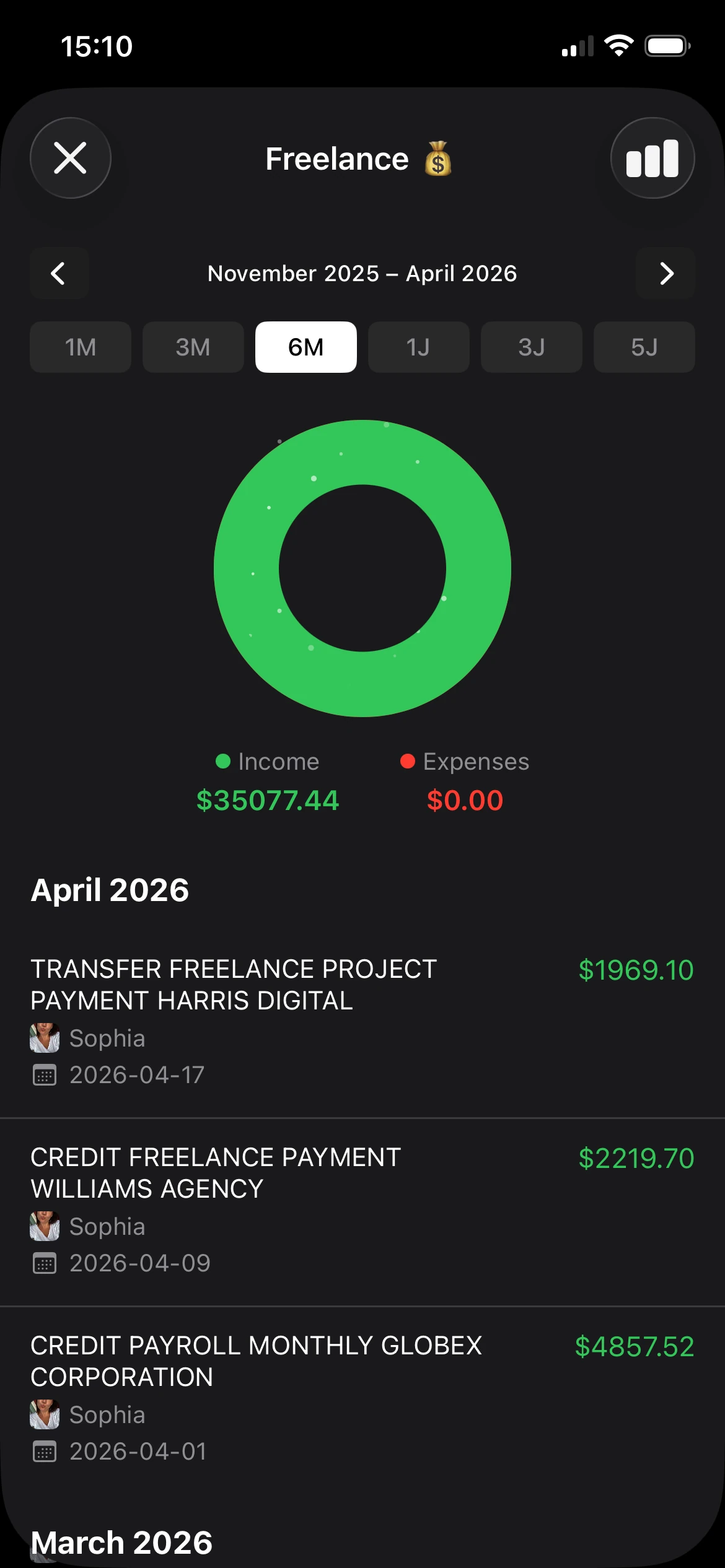
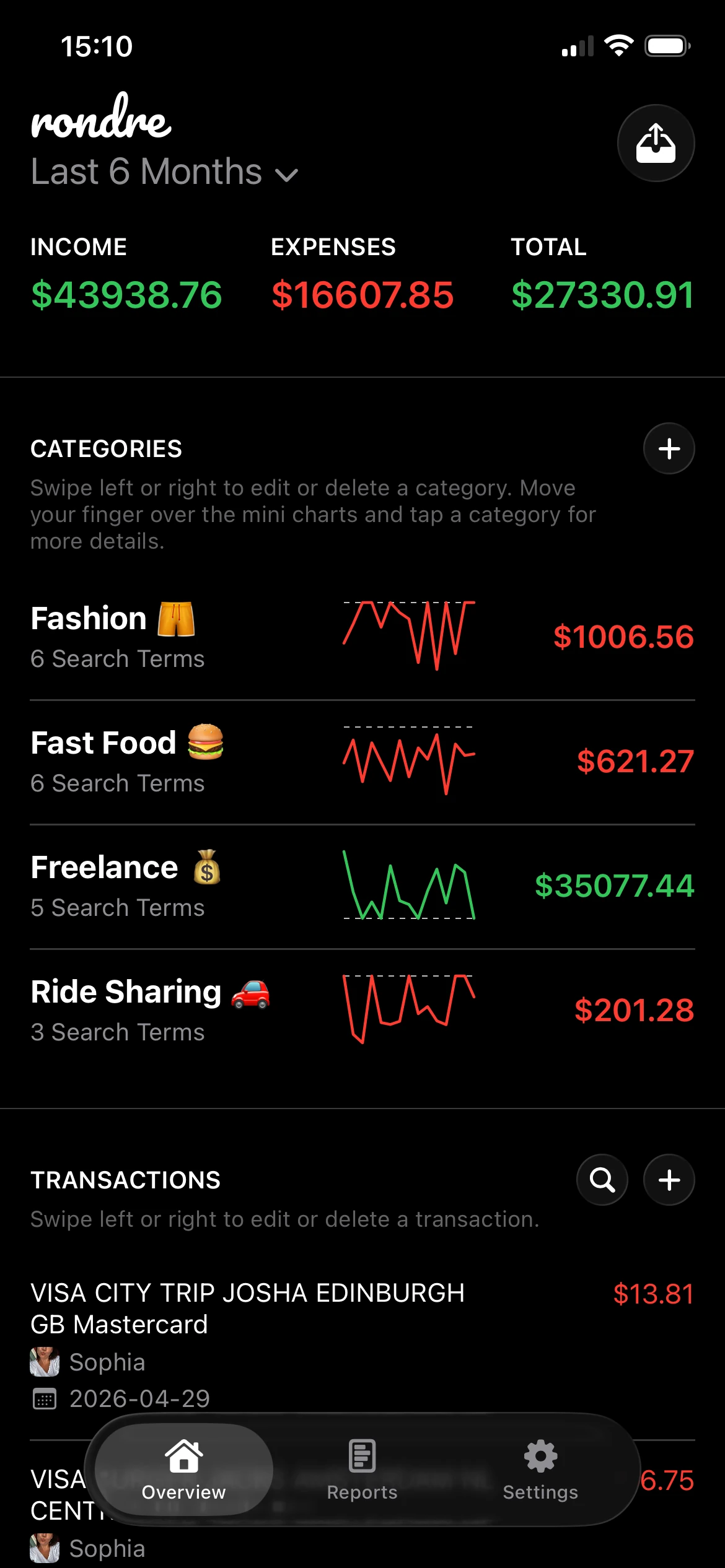
Without that number, every money decision can feel like a guess. With it, you can open your budget app, see what the month already requires, and judge new spending against reality instead of hope. In a tool like rondre, that view is especially useful because recurring charges are easier to spot, group, and review in one private place.
Use the baseline before making new commitments
The 50/30/20 rule can help here. Fixed expenses usually sit inside the “needs” category, so they set the floor your budget has to stand on each month. If that floor is already high, a new recurring bill can shrink your breathing room fast.
This baseline is useful when making choices like:
- moving to a more expensive apartment
- financing a car
- adding another subscription bundle
- signing up for a long-term service contract

A simple way to test a new commitment is to ask one question first: what happens to the budget every month after this gets added? That question shifts the focus from “Can I afford the first payment?” to “Do I want this built into my life for the next 12 months or longer?”
That is often the moment budgeting becomes clearer.
Couples and families can use the same approach in planning talks. Instead of arguing over one dinner out or one online order, they can look at the shared fixed-cost number and ask how much income is already committed before flexible spending begins. The conversation gets less personal and more practical.
What to look for in the pattern
Fixed expenses work like the frame of a house. If the frame takes up too much space, there is less room to arrange everything else comfortably.
The biggest pressure point is often not one dramatic bill. It is a stack of recurring charges that each look manageable on their own, then crowd the month when combined. A review inside rondre can help you see that pattern faster because repeated merchants and scheduled payments are easier to compare side by side.
Look for a few specific signals:
- Category crowding. Several recurring charges in streaming, apps, memberships, or delivery services.
- Outdated commitments. Bills tied to choices that no longer fit your current priorities.
- Tight flexibility. Too little money left after required payments are covered.
- Slow increases. Bills that stay “fixed” in schedule but rise over time, as noted earlier in the article.
A smart budget measures how much freedom is left after recurring obligations are paid.
That perspective helps budgeting feel less overwhelming. You do not need a perfect system or perfect self-control. You need a clear view of which dollars are already spoken for, which ones are still flexible, and which recurring charges deserve a second look.
Practical Tips to Reduce Your Fixed Expenses
“Fixed” doesn't mean permanent. It means hard to change quickly. With review and a little effort, some of these costs can be lowered.
A few actions are especially practical:
- Audit subscriptions first. Small recurring charges are easy to keep paying out of habit.
- Shop insurance at renewal. Policy changes often create the best moment to compare options.
- Review loan terms. Refinancing or restructuring can lower pressure if the new terms fit the budget better.
- Call service providers. Internet, phone, and related plans sometimes have lower-cost alternatives that aren't applied automatically.
- Question upgrades before accepting them. A more expensive apartment, car, or plan raises the budget floor for months or years, not just for one purchase.
The most helpful mindset shift is this: cutting a variable expense helps once, but lowering a fixed expense can help every billing cycle after that. That’s why even one cancellation or one renegotiated bill can create lasting breathing room.
A strong starting move is small. Review one recurring charge today and ask two questions: does this still serve a real purpose, and would the budget feel lighter without it?
A simple way to act on this today is to open rondre, import a CSV file or PDF bank statement, and search for recurring charges like rent, insurance, and subscriptions. Because rondre is free, private, and doesn't require an account, it makes it easy for an individual, couple, or family to spot fixed expenses quickly, organize them into smart categories, and see the monthly baseline clearly.