De nombreux contribuables de l’Ohio remarquent pour la première fois une agence régionale de l’impôt sur le revenu lorsqu’une fiche de paie affiche une retenue locale qu’ils ne reconnaissent pas vraiment, ou lorsqu’un courrier arrive pour demander une déclaration qu’ils ne savaient pas devoir déposer. Cette confusion est fréquente, surtout dans les foyers avec deux revenus, une activité secondaire ou un travail réparti sur plusieurs villes.
L’impôt local n’est pas seulement une question de paperasse. Il influence le flux de trésorerie mensuel, les attentes de remboursement et le montant qu’un foyer devrait mettre de côté pendant l’année. Pour toute personne qui suit ses revenus avec attention, comprendre le fonctionnement d’une agence régionale de l’impôt sur le revenu peut rendre l’impôt local beaucoup moins mystérieux.
Table des matières
- Qu’est-ce qu’une agence régionale de l’impôt sur le revenu exactement?
- Comprendre vos obligations fiscales
- Guide pratique pour déclarer et payer
- Comment éviter les pénalités et problèmes courants
- Suivre facilement les impôts locaux avec une application financière
- Votre prochaine étape pour une saison fiscale sans stress
Qu’est-ce qu’une agence régionale de l’impôt sur le revenu exactement?
Une agence régionale de l’impôt sur le revenu agit comme un bureau fiscal partagé pour de nombreuses administrations locales. Si des dizaines de villes essayaient chacune de gérer leur propre service fiscal complet, chaque commune aurait besoin de son propre personnel, de ses propres systèmes, de son traitement des paiements, de ses avis et de ses dossiers. Une agence régionale gère ce travail administratif en un seul endroit.
Dans l’Ohio, l’exemple le plus connu est RITA, la Regional Income Tax Agency. RITA a été créée en 1971 et dessert près de 400 villes et villages, soit environ la moitié des municipalités de l’Ohio qui prélèvent un impôt sur le revenu, selon le rapport annuel RITA pour 2024%20Annual%20Report%202024.pdf).
Cela aide à expliquer une question fréquente dans les foyers. Une personne peut ouvrir une lettre de RITA et penser qu’il s’agit d’une administration distincte ou d’une nouvelle facture fiscale. En pratique, cela signifie généralement que sa ville ou son village utilise RITA pour collecter et administrer son impôt local sur le revenu.

Pourquoi ce type d’agence existe
Une petite municipalité doit tout de même collecter l’impôt, répondre aux questions des résidents, traiter les déclarations, suivre les soldes et envoyer des avis. Faire tout cela seule peut coûter cher. Une agence régionale résout ce problème en fonctionnant comme un super-greffier pour de nombreuses communes à la fois.
Pour les contribuables, cette organisation peut rendre les impôts locaux plus faciles à gérer, car il existe un lieu central pour déclarer, payer et mettre à jour les informations de compte. Pour la ville, cela signifie que la municipalité peut conserver ses propres règles fiscales tout en externalisant l’administration quotidienne.
Cette distinction est importante pour le budget.
Si votre foyer a des revenus freelance, deux emplois W-2 ou un déménagement pendant l’année, l’impôt local peut influencer le flux de trésorerie d’une manière que beaucoup de personnes ne remarquent qu’au moment de la déclaration. Une agence centrale comme RITA n’est pas seulement un bureau fiscal à reconnaître sur un formulaire. C’est aussi l’organisme qui peut facturer, créditer ou rembourser une partie de votre situation fiscale locale. C’est pourquoi suivre les retenues locales et les paiements estimés dans un outil simple comme rondre peut éviter de mauvaises surprises.
Règle pratique: Une agence régionale de l’impôt sur le revenu administre généralement un impôt de ville ou de village. Elle n’impose généralement pas un impôt séparé qui lui serait propre.
Ce que RITA fait et ne fait pas
Un point de confusion courant consiste à savoir qui fixe les règles. RITA ne crée pas l’ordonnance fiscale. C’est la municipalité membre qui le fait. RITA s’occupe de la partie administrative, comme le traitement des déclarations et des paiements.
Une comparaison simple permet d’y voir plus clair:
| Élément | Municipalité | RITA |
|---|---|---|
| Fixe l’ordonnance fiscale locale | Oui | Non |
| Décide si l’impôt local sur le revenu s’applique | Oui | Non |
| Traite les déclarations et les paiements | Non, pas directement dans les villes membres utilisant RITA | Oui |
| Gère l’administration des contribuables | Souvent externalisée | Oui |
Pour un foyer, la conclusion pratique est simple. Si une fiche de paie, un formulaire fiscal ou un avis mentionne RITA, cela indique généralement une obligation fiscale locale gérée de manière centralisée. Cela ne signifie généralement pas qu’un deuxième impôt local a été ajouté par-dessus.
Cette petite distinction peut faire économiser de l’argent réel. Un freelance qui décide combien mettre de côté chaque mois, ou un couple qui combine des revenus provenant de différents employeurs, doit savoir s’il applique les règles d’une ville administrées par RITA ou s’il suppose à tort que RITA est elle-même une autre autorité fiscale. La première hypothèse mène à un budget plus clair. La seconde conduit souvent à payer trop, trop peu, ou à ignorer une obligation de déclaration jusqu’à l’arrivée d’un avis.
Comprendre vos obligations fiscales
Une fois qu’un contribuable sait ce qu’est une agence régionale de l’impôt sur le revenu, la question suivante est plus pratique. Qui doit faire quelque chose? La réponse dépend de la manière dont le revenu est gagné.

Salariés et impôt local retenu à la source
Pour de nombreux salariés, l’impôt local est déjà retenu par l’employeur. Cela peut donner la fausse impression que tout est automatiquement terminé. Parfois, c’est le cas. Parfois, non.
Un salarié devrait vérifier chaque fiche de paie pour repérer toute ligne de retenue locale et la comparer avec les documents de salaire de fin d’année ainsi qu’avec les avis reçus. Si un travailleur a déménagé, changé d’emploi ou travaillé dans une ville différente de sa ville de résidence, une déclaration locale peut encore nécessiter une attention particulière.
Une bonne habitude pour un foyer consiste à traiter la retenue locale comme sa propre catégorie, séparée des retenues fédérales et étatiques. Cela permet de repérer les écarts plus tôt.
Freelances et revenus sans retenue à la source
Les freelances, consultants et travailleurs de plateformes rencontrent souvent le plus de difficultés, car aucun employeur ne retient automatiquement l’impôt pour eux. Cela signifie que le contribuable doit identifier où le revenu a été gagné, si une déclaration est requise et combien il doit mettre de côté.
Les indications publiques de RITA confirment un point important. Les personnes non résidentes qui ont gagné un revenu dans une municipalité RITA non soumis à une retenue par l’employeur doivent déposer une déclaration annuelle, et le traitement particulier peut varier selon la municipalité, selon les informations publiques de RITA sur la page À propos et dans les indications liées aux FAQ.
Les revenus sans retenue à la source créent les surprises fiscales locales les plus fréquentes. L’argent semble entièrement disponible pendant l’année, mais une partie peut déjà appartenir à une municipalité.
Quand le travail dans plusieurs villes devient confus
De nombreux lecteurs rencontrent des difficultés dans la situation suivante. Une personne peut vivre dans une ville, travailler pour un employeur dans une autre et réaliser des projets freelance pour des clients liés à un troisième lieu. La question fiscale n’est pas seulement «Un impôt local a-t-il été retenu?» Elle est aussi «Quelle municipalité attend une déclaration?»
La difficulté est qu’il n’existe pas de guide public unique et agrégé expliquant clairement comment les obligations se cumulent lorsque le travail s’étend sur plusieurs municipalités RITA. Les mêmes indications publiques mentionnées ci-dessus montrent aussi que les contribuables doivent souvent vérifier les notes propres à chaque municipalité individuellement, au lieu de s’appuyer sur un ensemble de règles unifié.
Une façon pratique de l’envisager est la suivante:
- La résidence peut compter: une ville de résidence peut attendre une déclaration de résident.
- Le lieu de travail peut compter: un revenu gagné dans une autre municipalité peut créer une obligation de déclaration dans cette municipalité.
- Les revenus secondaires non imposés comptent le plus: si aucun employeur n’a retenu d’impôt local, le contribuable devrait partir du principe que le revenu doit être examiné.
Pour un foyer, cela signifie que l’impôt local ne devrait pas être vérifié uniquement au moment de la déclaration. Il devrait être revu chaque fois que quelqu’un lance une activité secondaire, change d’employeur, déménage ou commence à travailler au-delà des limites d’une ville.
Guide pratique pour déclarer et payer
Un désordre fiscal local courant dans un foyer commence ainsi. Un conjoint a un emploi W-2, l’autre perçoit des revenus freelance, et les deux supposent que l’impôt local se réglera de lui-même au moment de la déclaration. Puis un avis arrive parce qu’une ville a été payée, une autre ville attendait une déclaration, et personne n’a conservé un simple registre de ce qui a été retenu et de ce qui ne l’a pas été.
La déclaration se passe beaucoup mieux lorsque vous considérez RITA comme un super-greffier pour de nombreuses villes et villages. Le formulaire n’est que la dernière étape. Le vrai travail consiste à trier vos revenus par personne, par ville et selon que l’impôt a déjà été retenu ou non.
Ce qu’il faut rassembler avant de déclarer
Commencez par constituer un petit dossier d’impôt local, numérique ou papier. Pour un foyer à plusieurs revenus, ce dossier devrait répondre à trois questions de base: qui a gagné l’argent, à quel lieu le revenu est lié et si l’impôt local a déjà été prélevé.
Rassemblez ces éléments:
- Documents de revenus pour chaque personne gagnant de l’argent, y compris les salaires W-2, les revenus 1099 et les documents d’activité indépendante.
- Détails des retenues locales provenant des fiches de paie ou des formulaires fiscaux de fin d’année.
- Historique des adresses pour toute personne ayant déménagé pendant l’année.
- Notes sur les lieux de travail pour les emplois ou projets liés à plus d’une municipalité.
- Anciennes lettres ou factures fiscales locales de RITA ou d’une municipalité membre.
- Un simple registre de paiement indiquant tous les paiements estimés déjà effectués.
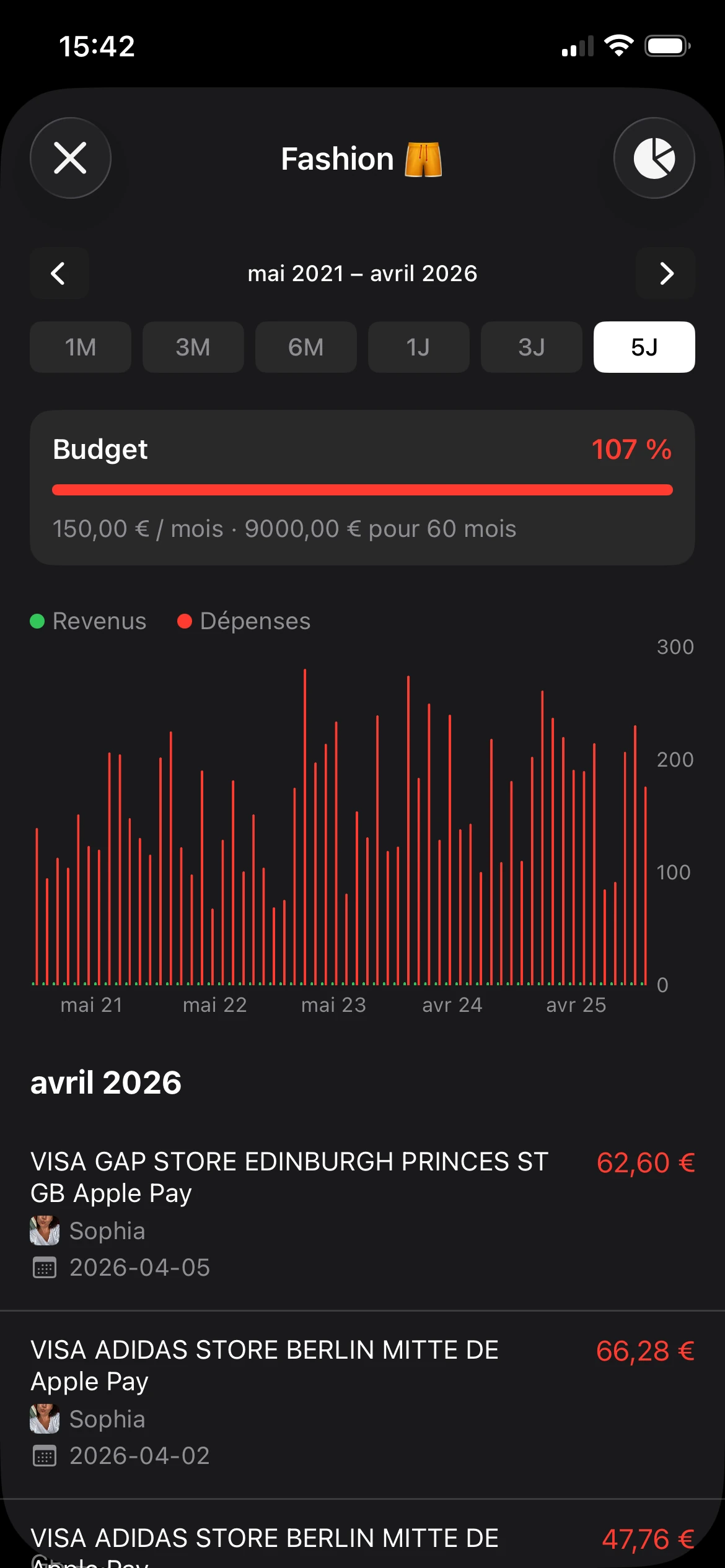
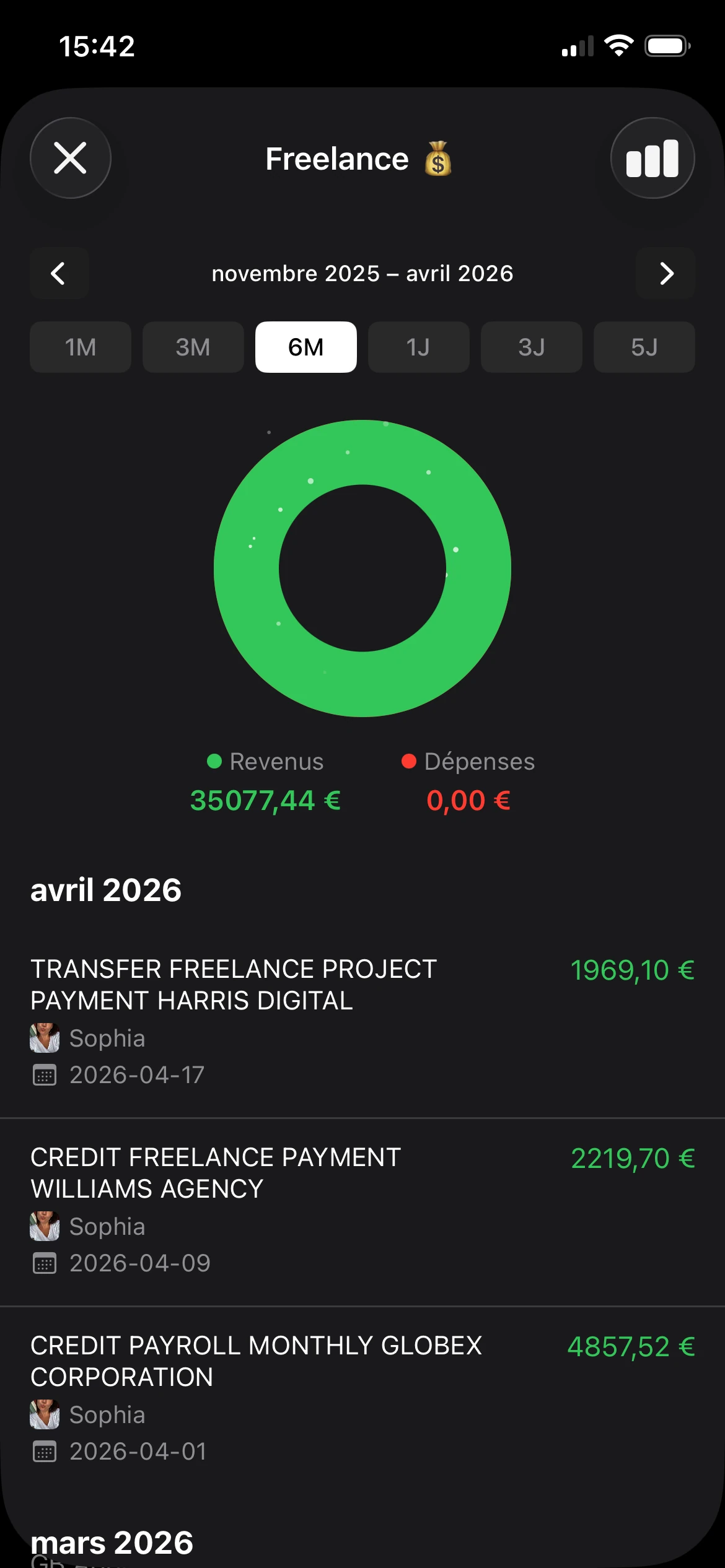
Ce dernier élément aide plus que beaucoup de foyers ne l’imaginent. Si vous utilisez un outil de suivi simple comme rondre pendant l’année, c’est ici qu’il devient utile. Vous pouvez voir les revenus secondaires, les sommes mises de côté pour l’impôt et les dates de paiement en un seul endroit, au lieu de les reconstituer à partir de relevés bancaires en avril.
Comment le processus de déclaration fonctionne généralement
De nombreux contribuables déclarent via le portail MyAccount de RITA. D’autres envoient la déclaration par courrier, surtout s’ils répondent à un avis ou conservent déjà leurs documents fiscaux sur papier. Comme indiqué plus haut dans l’article, les deux méthodes sont couramment utilisées.
Une routine de déclaration régulière fonctionne généralement le mieux:
- Confirmez la municipalité avant d’entrer les chiffres. La bonne déclaration commence par la bonne ville.
- Associez chaque W-2 ou document de revenu à la retenue locale. Si l’impôt a été retenu, assurez-vous que les montants correspondent.
- Séparez les salaires de salarié des revenus freelance ou d’activité indépendante. Les foyers mélangent souvent ces éléments, et c’est là que les surprises de sous-paiement commencent.
- Vérifiez si des paiements estimés sont nécessaires. C’est particulièrement important pour les freelances et toute personne ayant des revenus sans retenue locale.
- Lisez attentivement tout avis avant de répondre. Une lettre explique souvent quelle année ou quelle municipalité pose problème.
- Conservez la preuve de déclaration et la preuve de paiement. Gardez ensemble la page de confirmation, la copie PDF et le reçu de paiement.
Voici l’angle budgétaire pratique que de nombreux guides oublient. Une facture d’impôt local fait moins mal lorsqu’elle a été traitée comme une dépense mensuelle du foyer plutôt que comme un choc annuel. Si les revenus freelance arrivent de manière irrégulière, mettez de côté un pourcentage de chaque paiement et suivez-le dans le même système que celui utilisé pour le loyer, les services publics et les objectifs d’épargne.
Quand l’envoi postal peut encore avoir du sens
Le courrier peut encore bien fonctionner pour un foyer qui conserve un dossier fiscal annuel, qui doit inclure des pièces justificatives ou qui préfère tout examiner sur papier avant de l’envoyer.
La méthode importe moins que la tenue des dossiers. Conservez une copie complète de ce que vous avez soumis, notez la municipalité concernée et inscrivez la date et le montant du paiement. Cette simple habitude évite un problème très courant: se souvenir d’avoir payé, mais ne pas se souvenir de l’endroit où le paiement a été affecté.
Comment éviter les pénalités et problèmes courants
La plupart des problèmes d’impôt local ne commencent pas par une fraude ou une négligence grave. Ils commencent par une confusion ordinaire. Un foyer suppose que l’employeur a tout géré, un freelance oublie qu’une ville attend une déclaration, ou un déménagement crée une obligation fiscale que personne n’a suivie attentivement.

Les erreurs qui créent des problèmes
Certains problèmes reviennent encore et encore.
- Déclarer pour la mauvaise municipalité. Cela arrive souvent après un déménagement ou lorsqu’un contribuable travaille dans une ville et vit dans une autre.
- Supposer qu’une retenue signifie qu’aucune déclaration n’est nécessaire. La retenue aide, mais elle ne clôt pas toujours le dossier.
- Ignorer les revenus secondaires. Le travail contractuel, le conseil et les autres revenus supplémentaires ne sont souvent pas couverts par les systèmes des employeurs.
- Mettre tous les impôts locaux dans le même panier mental. Les impôts fédéraux, étatiques, de district scolaire et municipaux peuvent se mélanger s’ils ne sont pas suivis séparément.
Un foyer peut éviter beaucoup de ces problèmes en réexaminant l’impôt local chaque fois que les revenus changent. Nouvel emploi, nouvelle adresse, nouvelle activité secondaire. Ce sont tous des déclencheurs de vérification de l’impôt local.
Les habitudes simples qui évitent les surprises
La meilleure prévention est simple et répétable.
| Habitude | Pourquoi cela aide |
|---|---|
| Vérifier la retenue locale sur chaque fiche de paie | Permet de repérer tôt une retenue manquante ou incohérente |
| Tenir une note des municipalités de résidence et de travail | Réduit les déclarations envoyées à la mauvaise ville |
| Suivre séparément les revenus d’activité indépendante | Facilite l’examen local en fin d’année |
| Conserver toutes les lettres de RITA au même endroit | Évite les avis manqués et les confusions en double |
Un contribuable n’a pas besoin d’un système fiscal parfait. Il a besoin d’une trace documentaire fiable.
Si un problème est déjà survenu, la voie la plus rapide consiste généralement à rassembler l’avis, à le comparer aux documents de revenus et à vérifier à quelle municipalité le problème appartient avant de répondre. La panique provoque des déclarations en double et des paiements en double. Des dossiers clairs résolvent plus de choses qu’on ne le pense souvent.
Suivre facilement les impôts locaux avec une application financière
Pour le budget mensuel, l’impôt local mérite sa propre catégorie. C’est particulièrement vrai parce que de nombreux foyers ont du mal à planifier l’impôt municipal dans un budget. Les indications vérifiées notent que, pour un foyer gagnant $100,000, un impôt local de 1-2% peut influencer le flux de trésorerie de manière significative, et les informations publiques offrent très peu d’aide sur la manière de le suivre séparément des impôts fédéraux et étatiques à des fins budgétaires, selon le contexte des FAQ individuelles de RITA.
Cette lacune explique pourquoi l’impôt local semble souvent faible sur chaque fiche de paie, mais devient agaçant en fin d’année. Le problème n’est pas seulement le montant. C’est aussi le fait que beaucoup de personnes ne l’isolent jamais.

Ce que les foyers devraient suivre chaque mois
Une organisation utile est simple et ennuyeuse. C’est une bonne chose.
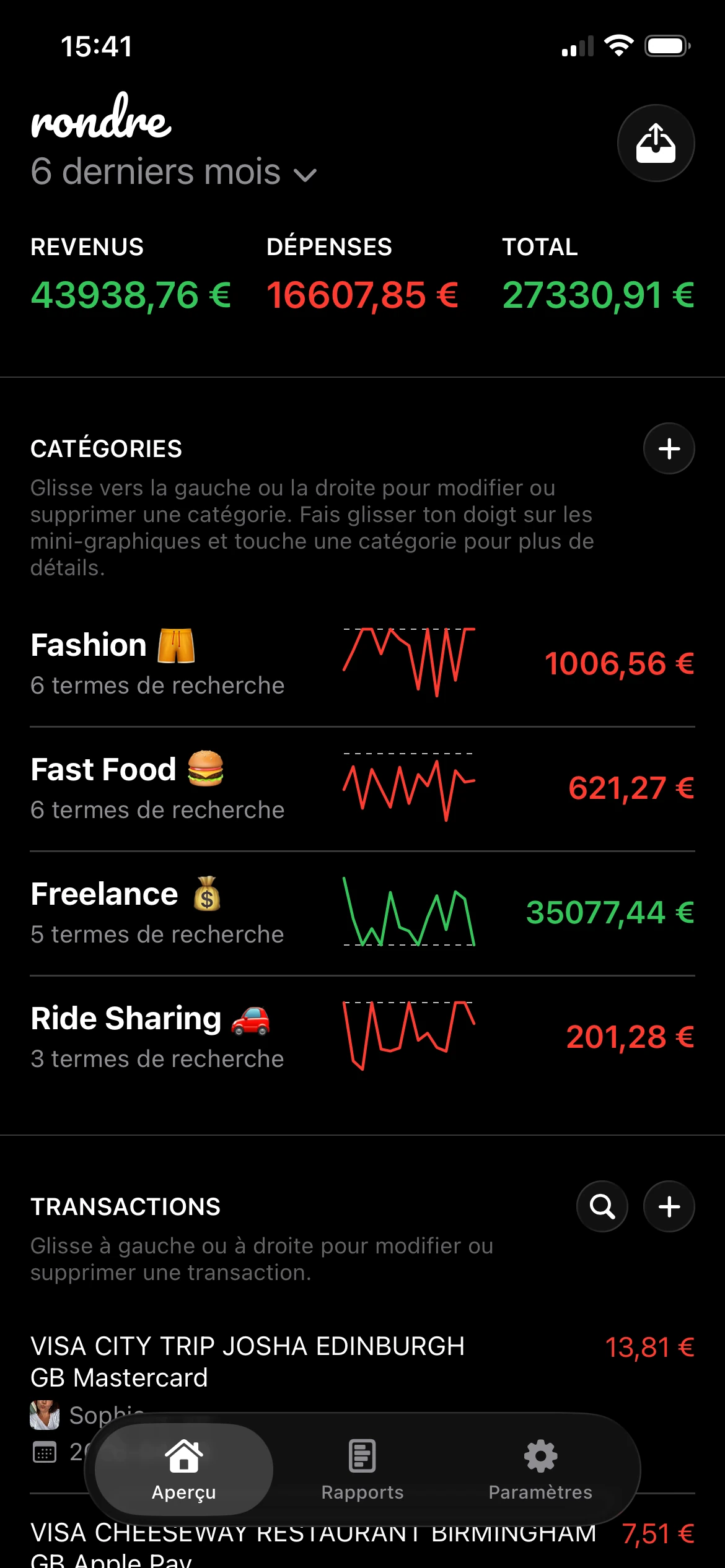
- Créez une catégorie d’impôt local. Nommez-la clairement afin que la retenue municipale ne se perde pas dans les déductions salariales plus générales.
- Marquez les dépôts de revenus secondaires. Si un revenu est arrivé sans retenue, il doit ressortir immédiatement.
- Signalez les paiements et remboursements liés à une ville. Gardez-les distincts des activités fiscales fédérales et étatiques.
- Examinez ensemble les revenus du foyer. Si l’un des conjoints est salarié et l’autre freelance, l’exposition à l’impôt local peut être inégale.
Ce type de suivi aide plus que la déclaration. Il améliore le budget. Un foyer peut voir si l’impôt local est retenu de manière régulière, si les revenus secondaires nécessitent une réserve d’argent et si un remboursement ou un solde à payer devient plus probable.
Une meilleure organisation pour les freelances et les couples
Les freelances ont besoin d’une couche d’organisation supplémentaire. Ils devraient étiqueter les revenus par projet ou client d’une manière qui aide à reconstituer plus tard le lieu de travail et le moment du paiement. Les couples et les familles profitent d’une vue partagée, car l’impôt local n’affecte rarement que l’argent d’une seule personne. Il affecte tout le budget du foyer.
Un outil de suivi léger fonctionne le mieux lorsqu’il peut:
- importer des transactions à partir de relevés bancaires,
- permettre une recherche rapide,
- prendre en charge des catégories personnalisées,
- et permettre à un foyer d’examiner ensemble les revenus et les déductions.
Pour les lecteurs qui comparent des outils financiers simples, ce guide connexe sur les logiciels de comptabilité pour MacBook offre un autre angle utile pour garder les dossiers financiers organisés sans créer un système compliqué.
Idée budgétaire: L’impôt local est plus facile à gérer comme catégorie mensuelle que comme surprise annuelle.
La leçon plus large est pratique. Les questions liées à une agence régionale de l’impôt sur le revenu deviennent beaucoup moins stressantes lorsque les foyers cessent de les traiter comme de la paperasse annuelle et commencent à les considérer comme une partie de la gestion régulière du flux de trésorerie.
Votre prochaine étape pour une saison fiscale sans stress
L’impôt régional sur le revenu semble confus parce qu’il se situe entre la paie, le droit local et le budget du foyer. Mais la solution quotidienne est étonnamment simple. Gardez l’impôt local visible.
La meilleure prochaine étape pour un contribuable consiste à sortir la fiche de paie la plus récente et à chercher toute ligne de retenue locale. S’il n’y en a pas, et que le revenu a été gagné dans une municipalité qui peut exiger une déclaration, c’est un signal pour vérifier l’obligation avant que la saison fiscale ne devienne chargée. S’il y a une retenue locale, l’étape suivante consiste à la séparer des impôts fédéraux et étatiques dans les dossiers du foyer.
Cette seule habitude dissipe beaucoup de confusion. Elle montre ce qui est déjà payé, ce qui peut encore être dû et si les revenus secondaires nécessitent une attention supplémentaire.
La conclusion pratique pour aujourd’hui est la suivante: vérifiez une fiche de paie, identifiez une ligne d’impôt local et créez une catégorie dédiée pour celle-ci dans le budget du foyer. Un peu d’organisation maintenant évite un bien plus gros mal de tête plus tard.
Une façon simple de garder une longueur d’avance sur l’impôt local consiste à le suivre chaque mois au lieu de le chercher au moment de la déclaration. rondre offre aux foyers une manière privée et gratuite d’organiser les revenus, les déductions et les transactions liées aux impôts avec des catégories personnalisées, une recherche rapide, des imports CSV et PDF, ainsi que des livres partagés pour les couples ou les familles. C’est une solution adaptée à toute personne qui souhaite conserver ses dossiers d’impôt local au même endroit, sans publicité, comptes ou friction supplémentaire.