Llega un mes fuerte, las facturas se cobran y la presión por fin baja. Luego el mes siguiente se vuelve tranquilo, la cuenta corriente cae más rápido de lo esperado y cada factura fija de repente se siente más pesada que unas semanas antes.
Esa oscilación es lo que hace que los ingresos irregulares sean tan agotadores. El problema normalmente no es la falta de esfuerzo. Es que un presupuesto mensual estándar asume que el dinero llega según un calendario mensual estándar, y el trabajo freelance, los trabajos por encargo, el trabajo estacional y las comisiones rara vez se comportan así.
La presión empeora cuando los costes suben al mismo tiempo. Muchas guías de presupuesto siguen centrándose en usar el mes más bajo como base, pero no dedican mucho tiempo a lo que ocurre cuando el alquiler, los servicios, el seguro y otros gastos esenciales siguen subiendo por encima de esa base, una brecha destacada por la discusión de Coast Central Credit Union sobre presupuestar con ingresos irregulares.
Un sistema viable tiene que hacer más que listar gastos. Tiene que convertir depósitos desiguales en algo que se sienta como un sueldo.
Tabla de contenidos
- El fin del ciclo de abundancia o escasez
- Primero saber exactamente adónde va tu dinero
- Calcula tu presupuesto base
- Construye tu colchón financiero y sistema de estabilización
- Crea un plan para excedentes e impuestos
- Registra, visualiza y ajusta tu sistema con rondre
El fin del ciclo de abundancia o escasez
La mayoría de quienes tienen ingresos irregulares conocen el patrón. Un mes alto genera alivio, pero ese alivio se convierte en exceso de gasto si el dinero se trata como la nueva normalidad. Luego llega un mes lento y las mismas facturas aún deben pagarse.
Ese ciclo no se trata solo de volatilidad de ingresos. También se trata de timing. El alquiler no espera a que un cliente pague. Al seguro no le importa si una plataforma cambió su calendario de pagos. La compra todavía tiene que hacerse durante una semana floja.
Presupuestar con ingresos impredecibles funciona mejor cuando el sistema crea previsibilidad, en lugar de esperar a que el ingreso en sí se vuelva predecible.
Los presupuestos tradicionales suelen fallar aquí porque empiezan con una suposición que no coincide con la realidad. Asumen un sueldo fijo, una fecha fija y un importe estable. Las personas con ingresos irregulares necesitan algo más cercano a la gestión del flujo de caja que a un simple plan mensual de gasto.
El verdadero intercambio
Al principio, normalmente hay dos malas opciones. Una es vivir como si cada buen mes se fuera a repetir. La otra es reaccionar a cada mes bajo con recortes de pánico imposibles de mantener.
Ninguna funciona durante mucho tiempo.
Un sistema estable hace tres cosas de forma diferente:
- Planifica desde una cifra conservadora. Eso mantiene protegidos los gastos esenciales.
- Separa el dinero entrante del dinero para gastar. Eso reduce la fatiga de decisión.
- Da una función al ingreso extra antes de que el aumento del estilo de vida se lo lleve. Así es como los buenos meses empiezan a ayudar a los meses futuros.
El aumento de costes cambia las cuentas
Esta es la parte que muchas guías saltan. Una base de ingresos bajos es útil, pero puede dejar de sentirse realista cuando los costes fijos suben más rápido que los ingresos. Cuando eso ocurre, la respuesta normalmente no es “presupuestar con más dureza”. Es tener una claridad brutal sobre qué debe quedarse, qué puede flexionar y qué necesita renegociarse, retrasarse, reemplazarse o complementarse con más ingresos.
Por eso el primer movimiento no es establecer reglas. Es obtener una imagen limpia del gasto mientras ocurre.
Primero saber exactamente adónde va tu dinero
Antes de que alguien pueda aprender cómo presupuestar con ingresos irregulares, necesita un registro de gastos que no se base en la memoria. La memoria es generosa con comidas de trabajo, suscripciones, cargos de entrega y compras “puntuales” que de algún modo ocurren todos los meses.
Registra antes de recortar
Durante el próximo mes, registra cada gasto. No lo juzgues. No lo optimices todavía. Solo captúralo.
Eso incluye:
- Facturas que se cargan automáticamente, como alquiler, servicio telefónico, seguro, membresías y pagos de préstamos
- Gasto cotidiano, como supermercado, gasolina, transporte, café, comida para llevar y cuidado de mascotas
- Cargos irregulares, como renovaciones anuales, costes médicos, regalos y mantenimiento
- Salidas relacionadas con el negocio, si el dinero personal y laboral todavía se solapan
Un tracker simple es suficiente si es rápido de usar de forma constante. Si una persona quiere una opción móvil, esta guía para registrar gastos explica los fundamentos de anotar transacciones y organizar categorías con claridad.
Regla práctica: no empieces preguntando: “¿Cuál debería ser el presupuesto?” Empieza preguntando: “¿Qué hizo realmente el dinero el mes pasado?”
Clasifica los gastos en dos grupos
Una vez capturadas las transacciones, divídelas en dos grupos.
| Tipo | Qué pertenece aquí | Por qué importa |
|---|---|---|
| Costes fijos | Alquiler, servicios, seguro, pagos mínimos de deuda, transporte básico, suscripciones esenciales | Son las facturas que determinan la cifra mínima de supervivencia |
| Costes variables | Supermercado, comer fuera, compras, entretenimiento, gasto flexible del hogar | Son las categorías que pueden expandirse en silencio durante un buen mes |
Esta división importa porque quienes tienen ingresos irregulares a menudo piensan que el problema son “las oscilaciones de ingresos”, cuando el problema subyacente es que el gasto flexible se expande para igualar el último depósito.
Una auditoría de gastos normalmente revela tres verdades útiles:
- Algunos costes son fijos. Esos deben financiarse primero.
- Algunos costes parecen fijos, pero no lo son. Algunas suscripciones y hábitos de comodidad suelen vivir aquí.
- Algunas “sorpresas” no son sorpresas en absoluto. Solo son irregulares y necesitan un lugar en el sistema.
Qué funciona y qué no
Lo que funciona es una visibilidad directa. Lo que no funciona es construir un presupuesto a partir de estimaciones aproximadas.
La gente a menudo intenta saltarse este paso porque parece tedioso. Pero sin él, el resto del plan se construye sobre cifras imaginarias. Y las cifras imaginarias son exactamente lo que crea la sensación de abundancia o escasez.
Calcula tu presupuesto base
La cifra presupuestaria más útil para alguien con ingresos irregulares normalmente no es un promedio. Es la cifra que todavía se sostiene cuando los ingresos son débiles.
Usa el mes más bajo, no el más favorecedor
Pennsylvania State University Extension y el Department of Banking and Finance de Nebraska recomiendan revisar los últimos 6 a 12 meses de ingresos y usar la cifra mensual más baja como base del presupuesto, un método deliberadamente conservador diseñado para prevenir el gasto excesivo y preservar efectivo para esenciales como alquiler, servicios y pagos de deuda, tal como describe la guía de Penn State Extension sobre presupuestar con ingresos irregulares.

Ese enfoque se siente restrictivo al principio, pero resuelve un problema común. Los meses altos son emocionalmente persuasivos. Hacen que el ingreso recurrente parezca más grande y estable de lo que realmente es.
Para quienes han ganado ingresos irregulares durante años, en la misma guía verificada aparece otro método práctico: usar el ingreso neto promediado durante al menos tres años y dividirlo entre doce. Eso puede ser útil cuando una persona tiene suficiente historial y quiere una cifra de planificación que refleje múltiples ciclos, no una sola temporada inusual.
Convierte ese número en un presupuesto operativo
El presupuesto base empieza con una secuencia simple:
- Revisar el historial de ingresos netos de los meses recientes.
- Elegir el mes más bajo como cifra de ingresos anticipada.
- Listar los gastos mensuales fijos y el gasto esencial.
- Calcular lo que queda usando la fórmula proporcionada por Penn State Extension: ingreso mensual neto menos gastos mensuales fijos.
Lo que queda es el espacio disponible para gasto flexible. Si casi no queda margen, eso no es fracaso. Es una señal. Significa que el presupuesto debe proteger los esenciales con firmeza y que el sistema necesitará un colchón más fuerte.
Un presupuesto base no es un objetivo de estilo de vida. Es una cifra de supervivencia que crea estabilidad.
Aquí también es donde los costes fijos crecientes se vuelven imposibles de ignorar. Si los esenciales ya consumen la mayor parte de la base, la persona no necesita una hoja de cálculo más bonita. Necesita decisiones. Eso puede significar recortar con más fuerza lo no esencial, cambiar niveles de servicio, reestructurar pagos de deuda cuando sea posible o aumentar la capacidad de ingreso. Un presupuesto base dice la verdad incluso cuando la verdad es incómoda.
Construye tu colchón financiero y sistema de estabilización
Un presupuesto por sí solo no estabilizará ingresos volátiles. La estabilización viene de la estructura.
El Department of Banking and Finance de Nebraska recomienda un sistema de dos cuentas que separa una cuenta de recepción de ingresos de una cuenta de gastos, y luego hace que la persona se pague un sueldo fijo de la primera a la segunda. La misma guía dice que un fondo de emergencia de 3 a 6 meses puede servir como amortiguador durante periodos flojos, como se explica en la guía de Nebraska para presupuestar eficazmente con ingresos irregulares.

Configura dos cuentas con dos funciones
Este sistema funciona porque cada cuenta tiene un propósito estrecho.
Cuenta de recepción de ingresos
Todos los pagos de clientes, depósitos de plataformas, comisiones e ingresos secundarios llegan aquí primero. Esta cuenta sirve para recoger y estabilizar entradas, no para gasto casual.Cuenta de gastos
Esta es la cuenta operativa para alquiler, supermercado, servicios, transporte y actividad normal de tarjeta.Transferencia programada
Una vez al mes, transfiere el “sueldo” base desde la cuenta de recepción a la cuenta de gastos. El importe se mantiene estable aunque los ingresos no lo hagan.
Ese único movimiento cambia el comportamiento rápido. Evita que cada depósito se sienta disponible. También ayuda a una persona a juzgar si un mes fue fuerte o si solo pareció fuerte porque varios pagos atrasados llegaron a la vez.
Qué corrige este sistema
Sin un sistema de colchón, la gente tiende a tomar decisiones mensuales según el saldo de la cuenta corriente que haya ese día. Eso crea tres problemas.
Primero, gastan de más después de grandes depósitos.
Segundo, reaccionan poco ante impuestos y obligaciones futuras.
Tercero, confunden efectivo temporal con ingresos duraderos.
Un fondo de reserva dentro de la estructura de recepción absorbe los meses bajos para que la transferencia a la cuenta de gastos pueda mantenerse estable. Algunas personas apuntan a una reserva más grande porque eso las ayuda a dormir por la noche. Nebraska sugiere 3 a 6 meses, mientras que Comerica señala que algunas personas con ingresos irregulares se sienten más cómodas manteniendo hasta un año de gastos en reserva. El punto no es la perfección. El punto es evitar que cada mes lento se convierta en una crisis.
Quienes también manejan facturas anuales o semestrales deberían crear grupos separados de sinking fund junto al colchón principal. Estos ejemplos de sinking fund son útiles para pensar en gastos irregulares pero predecibles antes de que hagan estallar el plan mensual.
Crea un plan para excedentes e impuestos
Los buenos meses causan tantos problemas como los malos si no hay un plan para el dinero extra.
Nebraska ofrece una plantilla basada en porcentajes para ingresos excedentes: 40% al colchón o ahorro, 30% al pago de deudas, 20% a impuestos futuros y 10% a diversión, lo cual es un ejemplo práctico de asignar ingresos extraordinarios antes de que desaparezcan en el gasto general.

Dale una función a cada mes fuerte
Ese tipo de división funciona porque maneja prioridades que compiten en un solo movimiento. Un freelance no tiene que decidir desde cero qué hacer con un pago grande cada vez.
Una forma clara de pensar en el excedente es:
| Prioridad | Propósito |
|---|---|
| Colchón y ahorro | Construye el margen que protege los meses flojos |
| Pago de deuda | Reduce la presión mensual fija con el tiempo |
| Reserva fiscal | Evita que las obligaciones futuras consuman efectivo operativo |
| Gasto de diversión | Deja espacio para disfrutar los meses fuertes sin arruinar el plan |
Los porcentajes pueden ajustarse a la realidad personal, pero el principio importa más que la división exacta. El dinero excedente debería quedar preasignado. Si permanece en un saldo general de cuenta corriente, normalmente se gasta como si fuera ingreso permanente.
Los meses fuertes deberían reparar el sistema primero, no inflar el estilo de vida primero.
Los impuestos necesitan su propio carril
La planificación fiscal es donde muchas personas con ingresos irregulares se llevan una sorpresa. El consejo común de apartar entre 25% y 30% es solo un punto de partida. El punto más importante es la estructura.
La orientación financiera dirigida a personas con ingresos irregulares recomienda usar una cuenta separada de reserva fiscal para que el dinero no se mezcle con el gasto diario, como se comenta en la guía de emprendimiento de OneUnited Bank sobre presupuestar con ingresos irregulares.
Lo que funciona en la práctica es simple:
- Mover el dinero de impuestos de inmediato cuando llega un pago
- Mantener las reservas fiscales separadas del efectivo para gastar
- Tratar ese dinero como no disponible, incluso si el saldo de la cuenta corriente se ve bajo
- Revisar regularmente las obligaciones fiscales estimadas si los ingresos oscilan mucho durante el año
Esto es especialmente importante cuando el dinero del negocio y el personal todavía se mezclan. Una vez que el dinero de impuestos vive en el mismo fondo que supermercado, gasolina y suscripciones, es fácil gastarlo accidentalmente y llamarlo préstamo temporal. Rara vez se siente temporal cuando llega la factura.
Registra, visualiza y ajusta tu sistema con rondre
Un sistema de presupuesto para ingresos irregulares solo funciona si alguien puede ver rápidamente qué está pasando. Eso importa aún más cuando el dinero llega de varias fuentes y los gastos no aparecen en un patrón limpio.

Construye el hábito alrededor de la visibilidad
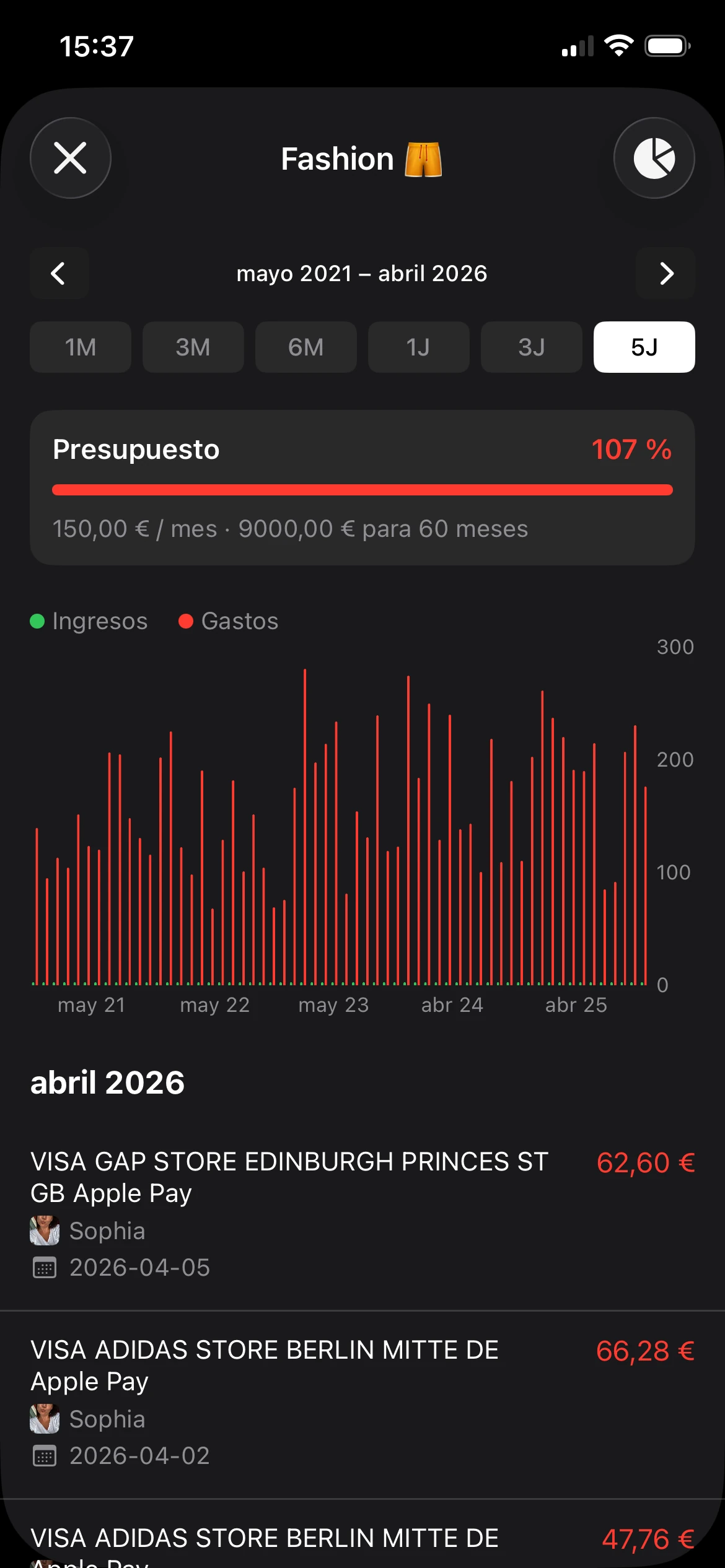
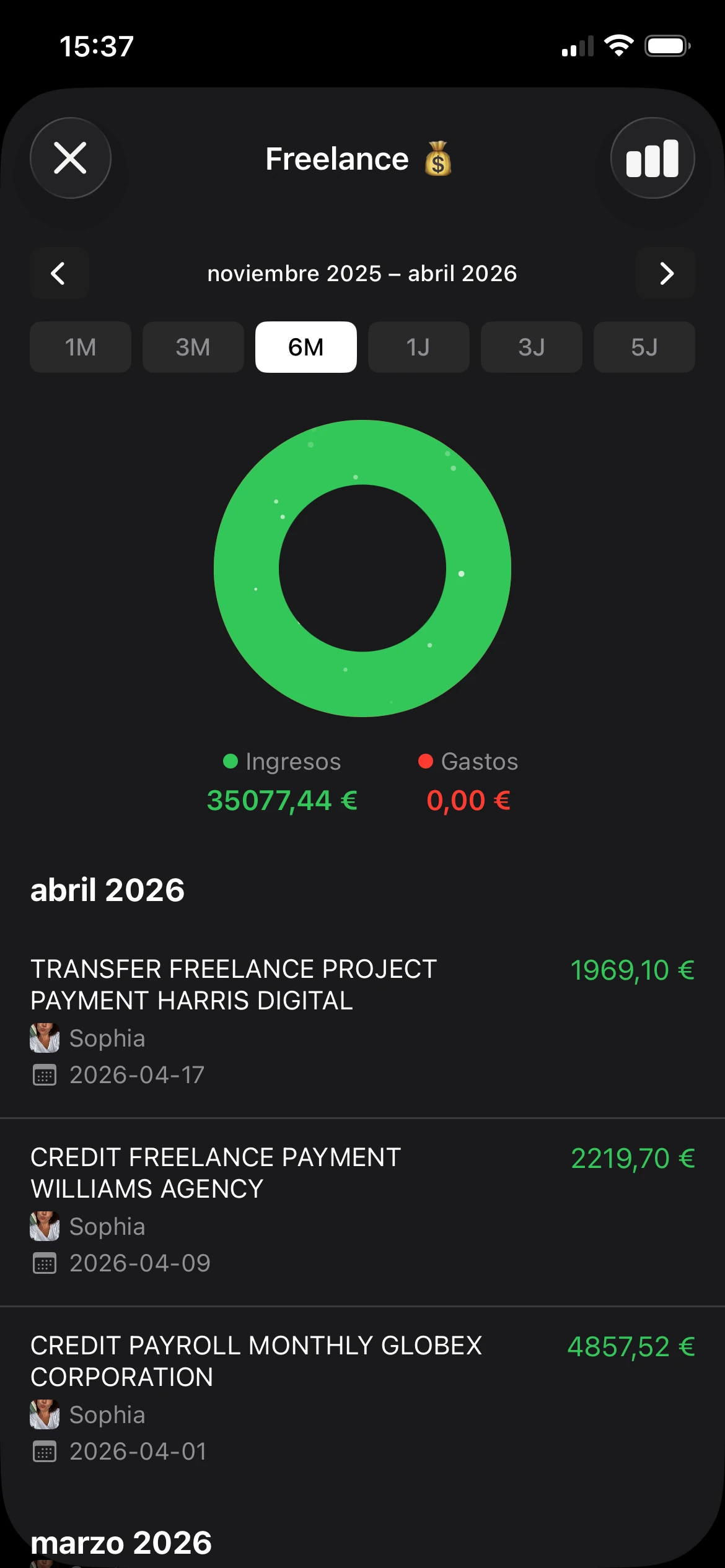
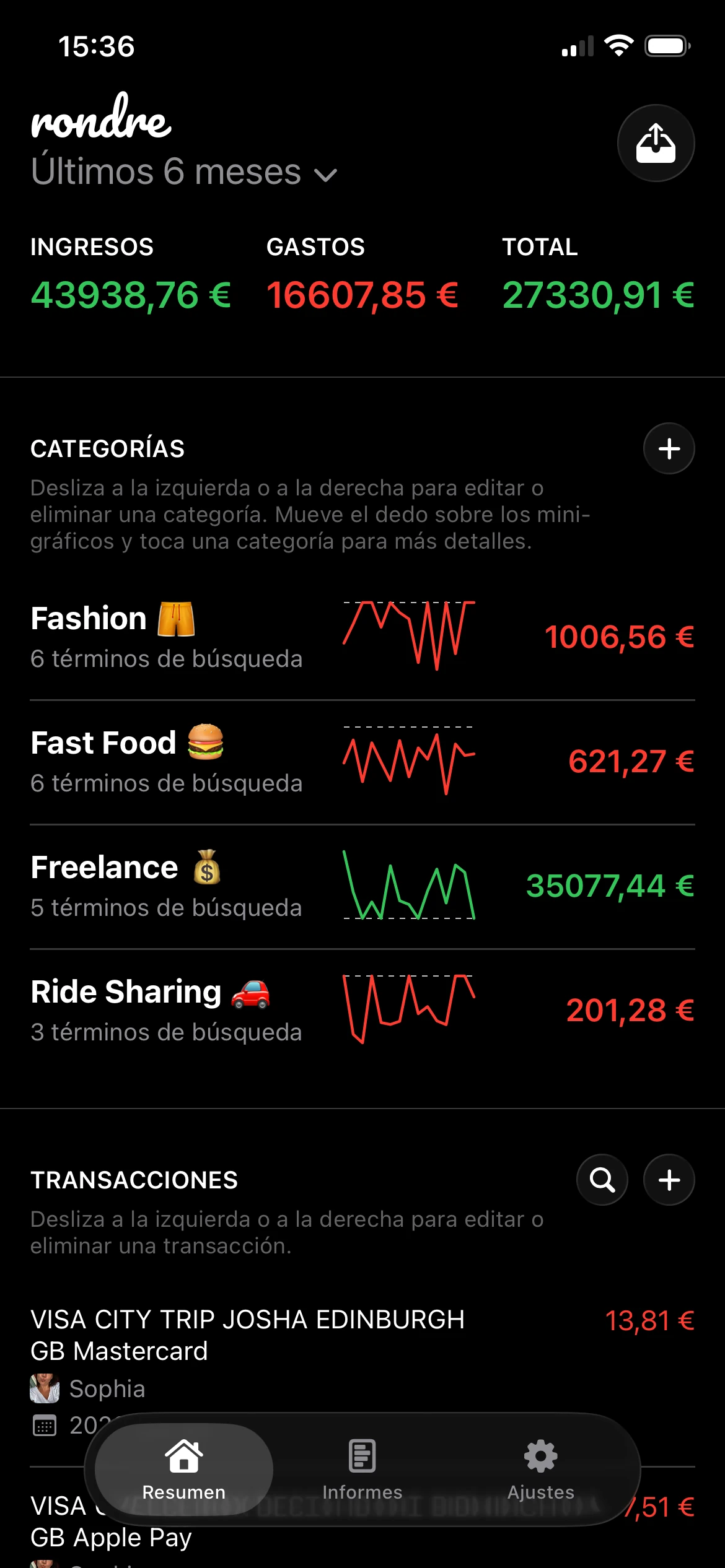
Una configuración práctica en rondre consiste en reflejar el sistema de presupuesto directamente dentro de la app. Una persona puede crear libros separados para reflejar distintas partes de su vida financiera, importar transacciones desde archivos CSV o extractos bancarios PDF, y organizar ingresos y gastos con categorías personalizadas y términos de búsqueda. Para quienes comparan herramientas, esta visión general de una app de finanzas personalizada da una idea de cómo el seguimiento basado en categorías puede apoyar un presupuesto que cambia con la vida real.
Esa configuración es útil para quienes tienen ingresos irregulares porque la mecánica importa:
- Crear categorías para costes fijos para que alquiler, seguro, servicios y pagos mínimos de deudas sean fáciles de revisar juntos
- Crear categorías separadas para gasto flexible para que supermercado, restaurantes, compras y entretenimiento no se escondan dentro de un grupo vago
- Usar libros separados si el dinero del negocio y el personal necesitan límites más claros
- Compartir un libro con una pareja o familiar cuando un hogar gestiona uno o dos ingresos irregulares
Revisa lo que te dicen los gráficos
Los gráficos son útiles cuando responden preguntas prácticas.
¿Es realista el importe de la transferencia base?
¿Los costes fijos están subiendo más rápido de lo esperado?
¿Un buen mes fortaleció el colchón o solo aumentó el gasto?
¿Las reservas fiscales se están moviendo de forma constante?
Esas son las preguntas que importan. No si el presupuesto se ve pulido.
El hábito de seguimiento más fuerte es una revisión breve y regular. Revisa ingresos recientes, compáralos con salidas esenciales, escanea el gasto variable y decide si la próxima transferencia desde la cuenta de recepción todavía tiene sentido. El objetivo no es un comportamiento perfecto. El objetivo es detectar desviaciones antes de que se conviertan en un problema.
Un tracker privado simple puede ayudar porque reduce la fricción. Cuando registrar y revisar el dinero se siente lo bastante ligero como para repetirlo, todo el sistema se vuelve más fácil de mantener.
Si el presupuesto actual todavía vive en notas dispersas, memoria y saldos bancarios, probar rondre es un siguiente paso práctico. Es gratis, privado y rápido de empezar, así que la primera acción hoy puede ser simple: importar transacciones recientes, separar costes fijos de gasto flexible y encontrar la cifra base central que el mes tiene que sostener.