A relocation package can feel generous right up until the employee sees that parts of it may show up as taxable income. That's often the moment the confusion starts. The company paid for the move, the employee didn't keep the cash, and yet taxes may still follow.
That's where a relocation income tax allowance matters. It exists to help with the extra tax burden created by taxable relocation benefits, but the timing, paperwork, and cash flow can catch people off guard. Many employees don't struggle with the concept of “help with taxes.” They struggle with the sequence. What gets taxed first, what gets reimbursed later, and what records need to be saved so nothing falls through the cracks?
This benefit is manageable once the employee sees it as a timeline instead of a mystery. The move happens first. Tax reporting happens next. The claim comes after that. Good tracking makes the difference between a smooth reimbursement and a stressful search for missing forms.
Table of Contents
- Your Guide to the Relocation Income Tax Allowance
- What Is a Relocation Income Tax Allowance
- The Two-Step RITA Process Explained
- How Your Relocation Tax Allowance Is Calculated
- Tracking and Reporting Your Relocation Allowance
- Common Pitfalls and Final Advice
Your Guide to the Relocation Income Tax Allowance
An employee accepts a transfer, books movers, lines up temporary housing, and starts handling a dozen moving parts at once. Then payroll or HR mentions that some relocation benefits are taxable. That can sound backward. If the employer is helping with the move, why would taxes show up too?
The answer is that relocation support and tax treatment are separate issues. A company or agency may pay or reimburse certain costs, but tax rules can still treat those amounts as income. The employee may then owe extra federal, state, or local income tax because of the move-related payments.
That's why the relocation income tax allowance matters so much from the employee's side. It isn't just a technical HR term. It affects real cash flow. It can shape how much an employee needs to set aside, how pay statements are interpreted, and how carefully records must be kept until the final claim is filed.
Practical rule: An employee should treat relocation tax assistance like a delayed reimbursement process, not instant relief.
A helpful way to think about it is this. The move creates a tax ripple. The first wave may appear on payroll and year-end tax forms. The later wave is the allowance that helps offset that impact after the employee's actual tax situation is known.
That delay is where people get tripped up. An employee may assume the relocation package was fully handled up front, only to discover that part of the solution arrives later and requires action. Good planning starts with recognizing that the benefit is real, useful, and tied to documentation.
Employees who understand that early usually make better decisions during the move. They save notices from payroll, keep reimbursement records in one place, and pay attention to what lands on the W-2. Those habits make the later claim far easier to complete.
What Is a Relocation Income Tax Allowance

You relocate for a new role, your company pays several move-related costs, and the move feels covered. Then payroll shows a larger taxable amount than expected. A relocation income tax allowance, often called RITA, is the part designed to soften that hit.
RITA works like a tax reimbursement tied to relocation benefits that count as income. From the employee's side, the key question is simple: if the move created extra tax on your paycheck or tax return, will the allowance help cover that added cost? In many employer and government relocation programs, that is exactly its job.
Why this benefit exists
Federal rules describe RITA as a reimbursement method that offsets most of the extra federal, state, and local income tax caused by taxable relocation benefits. The governing regulation explains that it covers "substantially all" of those added taxes under 41 CFR Part 302-17.
That phrase matters. "Substantially all" does not mean every employee gets a perfect dollar-for-dollar reset. It means the program is meant to address the added tax burden in a structured way, based on what was paid, what became taxable, and what your actual tax situation shows later.
A helpful comparison is a utility true-up bill. During the year, estimates and withholdings happen first. Later, the numbers are reconciled. RITA follows that same logic, which is why employees can feel confused if they expect the tax issue to be fully solved the moment the relocation payment is made.
What employees often misunderstand
Employees often assume the relocation package and the tax treatment are one bundled benefit. They are connected, but they are not the same thing. The relocation payment covers a move-related cost. The allowance addresses the income tax created by that payment if the payment is taxable.
That difference shows up in cash flow. You may receive a benefit now, see withholding or taxable wages show up before the year ends, and only later receive the allowance that helps make up for the added tax. For budgeting purposes, it helps to treat RITA as a later adjustment, not immediate tax relief.
RITA also follows the tax footprint of where you live and work. If your move touches state or local tax systems, keeping those records organized matters just as much as tracking federal withholding. Employees dealing with local payroll complexities may also want a basic understanding of how a regional income tax agency handles local tax administration, because local reporting can affect how relocation-related tax items appear and how carefully documentation should be reviewed.
What it means for you
RITA is tied to specific taxable relocation benefits and the taxes they trigger. It is part of a policy process, with rules, records, and later reconciliation.
For the employee, that means one practical thing above all else. Save every relocation statement, payroll notice, reimbursement record, and tax form in one secure place from the start. A privacy-first tool such as rondre can help you keep those documents organized without turning tax tracking into a spreadsheet chase.
The Two-Step RITA Process Explained
The hardest part for most employees isn't the definition. It's the timing. RITA works in stages, and those stages often span more than one tax year.

Year 1 and the first tax impact
The modern federal Relocation Income Tax allowance was authorized for employees transferred on or after November 14, 1983, and the structure uses a two-step process in which a Withholding Tax Allowance can be paid in Year 1 and the final allowance is calculated in Year 2 after the employee files a tax return, as described in the federal relocation regulation history and process summary.
In practical terms, Year 1 is the move year. The employee receives relocation benefits or reimbursements. Some of those items are treated as taxable income. Payroll may withhold based on that treatment, and a WTA may be used to address the immediate withholding effect.
A WTA is best understood as an early estimate tied to withholding, not the final answer. It helps deal with the front-end tax hit before the employee's actual return is filed. That makes it useful for cash flow, but incomplete by design.
Year 2 and the final true-up
After the employee files the annual income tax return, the actual tax picture becomes clearer. Only then can the final RITA claim be worked out. DFAS explains that the claim is typically due within 120 days of the new calendar year, and the RITA payment is itself taxable income in the year received, according to DFAS PCS tax information.
That lag surprises people. They expect the relocation package to be settled in one clean cycle, but RITA behaves more like a delayed true-up. The move happens. Taxes are reported. The employee files a return. Then the claim follows.
A side-by-side view helps:
| Feature | Withholding Tax Allowance (WTA) | Relocation Income Tax Allowance (RITA) |
|---|---|---|
| Purpose | Helps with the initial withholding impact | Reconciles the employee's actual added tax burden |
| Timing | Move year | After the employee files the annual tax return |
| Basis | Preliminary withholding approach | Actual tax information from the filed return |
| Role in cash flow | Early relief | Later adjustment |
| Tax treatment | Tied to taxable relocation handling | The payment itself is taxable in the year received |
Employees who are also sorting out local tax agency questions sometimes find it useful to review broader tax-administration basics in resources like this guide to the Regional Income Tax Agency.
Key point: WTA handles the first punch. RITA handles the cleaner final adjustment after real tax data exists.
How Your Relocation Tax Allowance Is Calculated
You arrive at your new duty station, the movers are paid, temporary lodging is covered, and the relocation package feels settled. Then tax season shows that several of those employer-paid costs were treated as income. That moment is where many employees get confused, because the allowance is not based on the size of the move alone. It is based on how those taxable benefits land on your own return.
A good way to frame it is this: your relocation tax allowance works like a reimbursement built from tax results, not a flat bonus. The employer first identifies which relocation payments were taxable. Then your filed return helps determine how much extra tax those payments created for you.
Which relocation benefits may count as taxable income
For DoD civilian employees, taxable PCS reimbursements can include items such as household-goods shipment, transportation and per diem, en-route lodging, house-hunting trips, temporary quarters subsistence expense, and real estate expenses, as noted earlier. The practical takeaway is simple. If your employer paid one of these costs on your behalf, that payment may still show up as taxable income connected to the move.
That catches employees off guard because reimbursement and tax-free treatment are not the same thing. A company can pay an expense and still have that payment increase your taxable wages.
Here is the calculation path in plain English:
- Start with the taxable relocation payments. These are the move-related amounts that were treated as income.
- Apply your actual tax situation. Filing status, state taxes, and total income all affect the result.
- Account for the allowance itself. The payment can also create tax effects, so the calculation has to reflect that extra layer.
That last step is the part people often miss. It is similar to topping off a bucket that has a small hole in it. You add water, but some of that addition changes the level you need to reach. The allowance helps cover the tax cost, but it does not always erase every dollar perfectly.
Why two employees can get different results
Two employees can receive very similar relocation packages and still end up with different allowance amounts.
One may live in a higher-tax state. Another may have different income, deductions, or filing status. Those details change the employee's marginal tax picture, which changes the final reimbursement calculation.
This matters for cash flow. If you compare your result to a coworker's and expect a match, you may plan for the wrong amount. A better question is, "Which relocation items were taxed to me, and how did they affect my return?"
That is also why recordkeeping matters before you ever submit anything. If you can clearly trace each relocation payment from payroll entry to tax form, the calculation becomes much easier to follow. Employees who want one place to log reimbursements, receipts, and payment dates often use a privacy-first expense report app so the tax impact is easier to reconstruct later.
RITA follows your tax profile and your reported relocation income. It does not produce the same answer for every employee with the same move package.
The safest mindset is to treat the allowance as a targeted tax offset with some lag, not as a promise that every relocation tax dollar will come back automatically. That helps you budget more realistically while you track the documents that support the final number.
Tracking and Reporting Your Relocation Allowance
Most RITA problems are record problems. Employees usually don't lose track of the move itself. They lose track of the paperwork spread across payroll portals, reimbursement systems, email attachments, and year-end forms.

What to save from day one
Because RITA is a lagged settlement process, the employee deals with taxable relocation benefits in the move year, files an annual return, and only then submits the claim. DFAS says the claim is typically due within 120 days of the new calendar year, as noted in the earlier DFAS reference.
That means the employee should save records before tax season begins, not after. The essential file usually includes:
- Every relocation reimbursement notice. Save emails, payroll confirmations, and vendor statements.
- Pay stubs showing relocation-related entries. These help connect payments to later tax reporting.
- Year-end tax forms. The employee should compare W-2 details against relocation records.
- Receipts and supporting documents. Even reimbursed items can matter when reconciling what happened.
A simple tracking system that actually works
A clean method beats a complicated one. Many employees do well with one dedicated folder for relocation documents and one dedicated transaction tracker for anything tied to the move. The key is consistency.
A practical setup looks like this:
- Create one relocation category group. Separate taxable relocation items from ordinary travel or household spending.
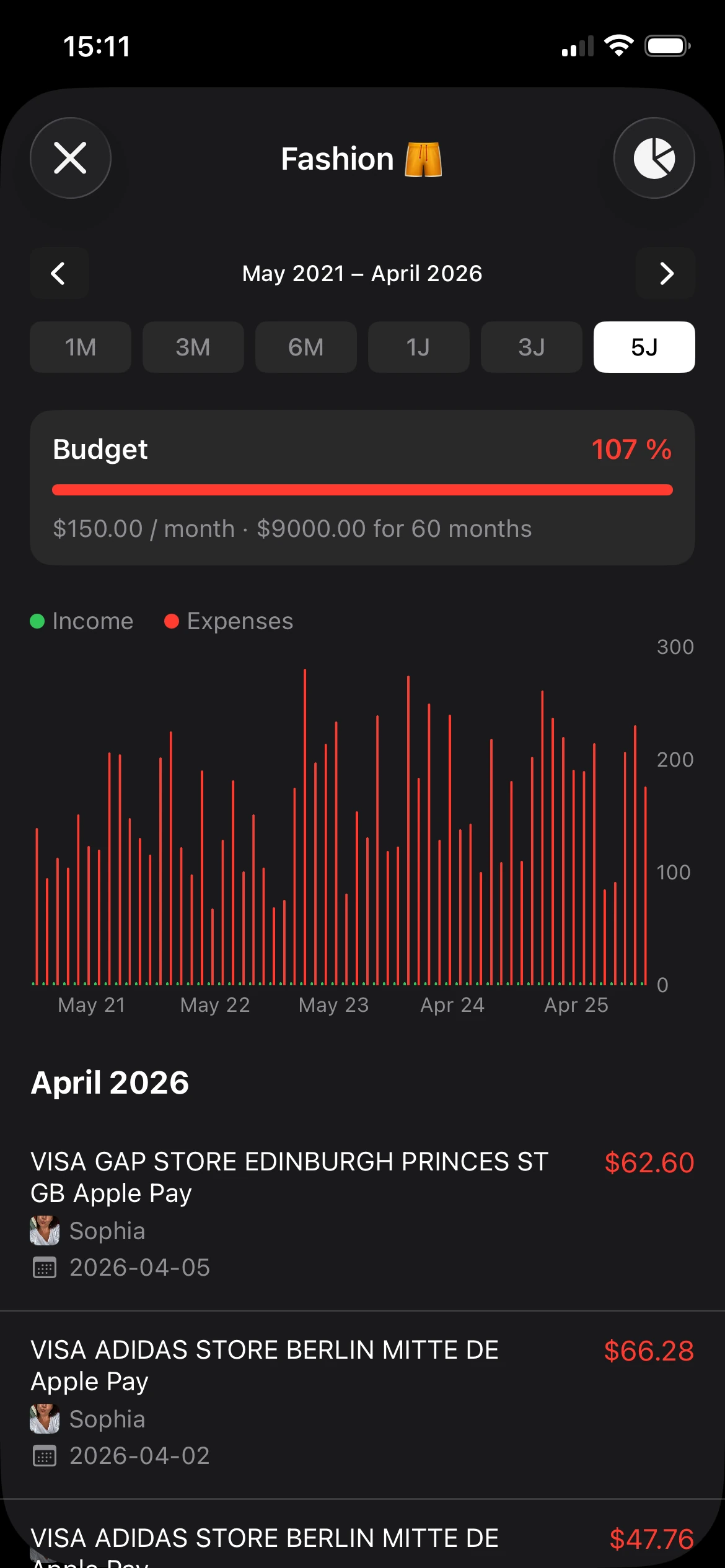
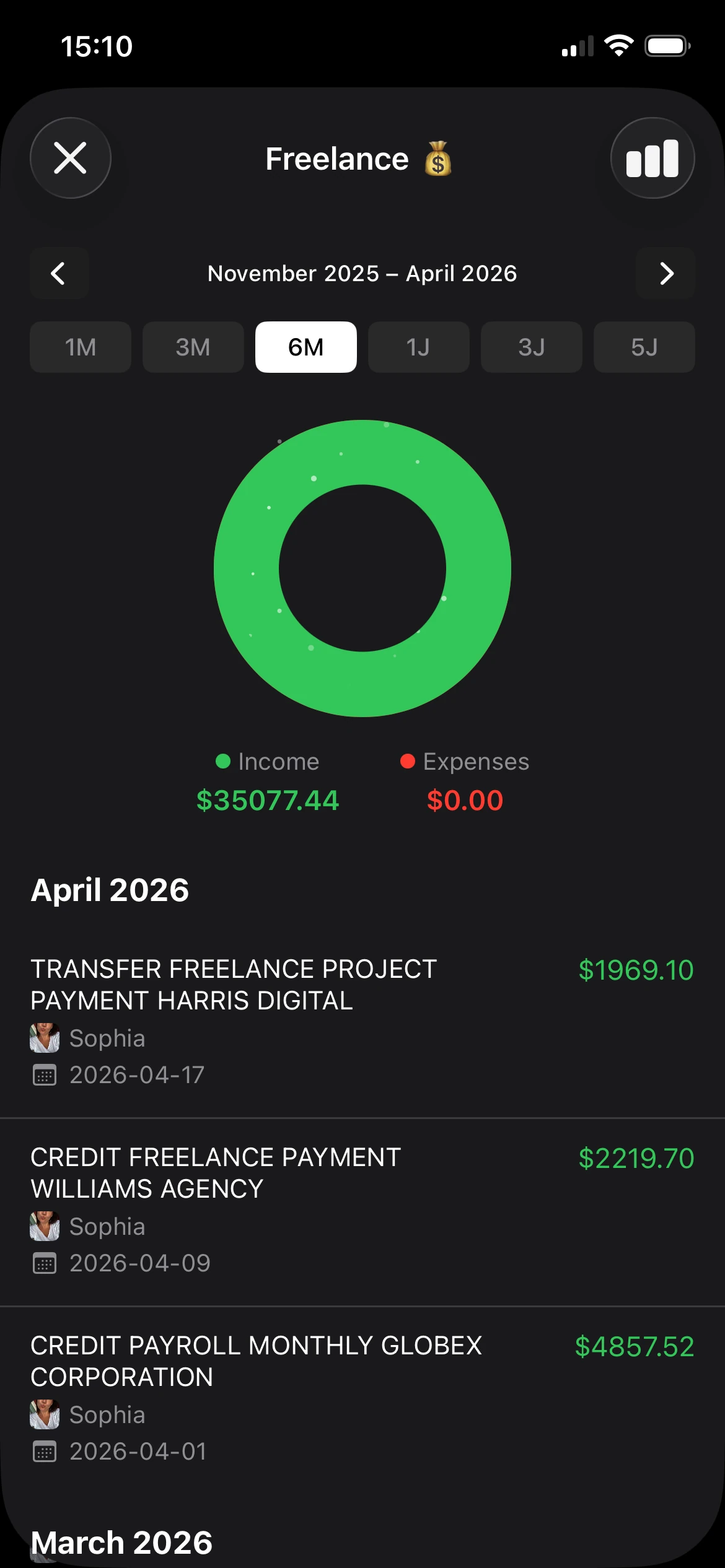
- Tag entries by type. Use labels such as relocation reimbursement, temporary lodging, storage, WTA, and later RITA payment.
- Attach source documents. Keep PDFs of statements, forms, and reimbursement summaries with the related entries.
- Review monthly during the move period. Small check-ins prevent a year-end scramble.
- Share access when needed. If a spouse or partner helps manage the move, a shared system reduces duplication and missed items.
Employees comparing tools for this kind of document-heavy workflow may find ideas in this overview of an expense report app.
Good tracking isn't about perfection. It's about making sure the employee can answer three questions later: what was paid, when it was paid, and how it was reported.
When those answers are easy to find, the eventual claim gets much simpler.
Common Pitfalls and Final Advice
Employees rarely struggle because the relocation income tax allowance is impossible to understand. They struggle because the process is delayed, the records are scattered, and the tax effect doesn't always line up with expectations.

Mistakes that create avoidable stress
A few pitfalls show up again and again:
- Assuming the allowance covers everything. Federal guidance describes it as covering most or “substantially all” of the added taxes, not every possible tax effect.
- Forgetting the payment itself is taxable. Employees who miss this can be surprised when the next year's tax reporting reflects the allowance.
- Missing the filing window. A claim that sits in an inbox too long can create unnecessary problems.
- Keeping poor records. Without a clean paper trail, it's harder to verify what was taxable and what was reimbursed.
- Treating future rules as settled. Guidance on civilian PCS taxation has been described as applying through tax year 2025, and that uncertainty makes careful record-keeping even more important, as discussed in this civilian moving expense tax guidance update.
A practical way to stay ready
The best protection is simple. Start a relocation file the same week the move is approved. Put every reimbursement, payroll notice, receipt, and tax form into that file. Keep notes on anything that looks unclear rather than assuming it will make sense later.
Employees should also separate recurring monthly finances from one-time move costs. That makes it easier to review unusual expenses and payments without mixing them into everyday spending. A resource on non-recurring expenses can help with that mindset.
A relocation benefit feels temporary, but its tax paperwork usually lasts longer than the packing boxes.
If the move crosses states, involves multiple types of reimbursements, or raises filing questions, a qualified tax advisor can help confirm the reporting treatment. That's especially useful when the employee wants confidence before filing the final claim.
The practical takeaway is straightforward. An employee should start tracking relocation-related payments and documents immediately, not when tax season arrives.
rondre gives employees a simple, private way to track relocation reimbursements, taxable payments, and one-off moving costs without ads, tracking, or sign-up. A dedicated book for a move, custom categories for items like WTA and RITA, fast transaction search, and support for CSV files and PDF bank statements can make tax-time record gathering much easier. The most useful step to take today is to create one relocation tracking system and put the next move-related transaction into it right away.