The receipt is longer than the loaf of bread, the cart isn’t even full, and somehow the total still lands hard. That’s the moment many parents of three kids know too well. The stress usually isn’t just about one expensive trip. It’s about the feeling that the grocery budget for family of 5 keeps drifting upward no matter how careful the shopping has become.
That pressure is real. It also doesn’t mean the budget is broken beyond repair. A family of five can get control again, but only by replacing guesswork with a system that separates food from everything else, turns meal planning into a shared task, and makes each store run more intentional.
Table of Contents
- The Reality of Feeding a Family of Five in 2026
- How to Calculate Your Starting Budget
- Build a Meal Plan That Saves You Money
- Mastering the Grocery Store Run
- Track and Collaborate on Your Budget with Rondre
- Staying on Track and Adjusting Your Plan
The Reality of Feeding a Family of Five in 2026

A family can do all the “right” things and still feel blindsided at checkout. Store brands are in the cart. Extras are limited. Restaurant meals are cut back. Even then, the total can feel out of line with what used to be normal.
That isn’t just a feeling. In some areas, U.S. family grocery spending rose as much as 65% from 2019 to 2025, with cumulative food-at-home inflation exceeding 25% since 2020, and groceries now taking 12% to 18% of a middle-income family’s budget, up from 8% to 10% pre-2019, according to this documented family spending analysis from Six Figures Under.
The hard part is that most families don’t respond with a true plan. They respond with random cuts. Fewer snacks one week. No name-brand cereal the next. A vague promise to “spend less” after a painful total. That usually doesn’t hold, because the problem isn’t only prices. It’s lack of visibility.
A grocery budget for family of 5 only starts working when the household can answer two simple questions: what was spent, and what exactly that money bought.
There’s also a hidden frustration many budget articles skip. The grocery bill often includes paper towels, shampoo, toothpaste, trash bags, and detergent. When all of that gets lumped into one number, the family may think food costs are out of control when part of the problem is household supplies.
That’s why better budgeting starts with accuracy, not restriction. A clear baseline, a working meal plan, and a tighter in-store routine can take a chaotic category and make it manageable again.
How to Calculate Your Starting Budget
A realistic budget starts with the family’s actual behavior, not an ideal number pulled from thin air. Before cutting anything, the household needs a clean snapshot of what has already been happening.

Start with what the household already spends
The simplest method is to review the last three months of bank and card activity, pull every grocery-related purchase, and calculate the monthly average. That includes supermarkets, warehouse clubs, and quick fill-in trips that are easy to forget.
For families who haven’t tracked this before, imported statements are much faster than manual digging. A useful starting point is understanding which costs change month to month, since groceries sit squarely in the category of variable household spending.
Use this process:
- Collect recent statements. Pull checking, credit card, and any shared household account activity for the last three months.
- Mark every grocery-related trip. Include regular stores, warehouse runs, and smaller stop-ins.
- Add the totals by month. Then divide by three to get a usable baseline.
- Write that number down before changing anything. A budget needs a starting line.
Practical rule: Don’t set a new grocery target until the household knows its recent average.
Use a benchmark without treating it like a rule
Once the current average is clear, compare it to a national benchmark. The USDA Thrifty Food Plan for January 2025 puts a family of five at about $1,237.60 per month, or $285.65 per week, based on a typical mix of two adults and three children, according to the USDA January 2025 Thrifty Food Plan.
That figure is useful, but it shouldn’t be treated like a moral standard. The USDA plan assumes home-prepared meals, careful use of staples, and very little waste. It’s a benchmark for a minimal nutritious plan, not a description of every family’s real week.
A family in a higher-cost area may land above it. A highly organized household may come in below it for stretches. The point is comparison, not guilt.
Separate food from household and personal care
Many budgets falter, as one family analysis noted that non-food items can account for up to $300 of a monthly “grocery” bill, which can completely distort the household’s view of food spending, as summarized in the family grocery budget discussion at Hickory Hill Home.
That means a family may think food alone costs $1,200 a month when part of that total is soap, diapers, aluminum foil, and cleaning supplies.
A better breakdown looks like this:
| Category | What belongs here | Common mistake |
|---|---|---|
| Food | Produce, meat, dairy, grains, snacks, frozen meals | Mixing in paper goods |
| Household supplies | Trash bags, dish soap, foil, detergent, paper towels | Counting them as food |
| Personal care | Shampoo, toothpaste, deodorant, razors | Hiding them in grocery totals |
Different categories require distinct approaches. Food can often be reduced through planning. Household supplies may be better managed through bulk timing. Personal care often needs a separate replacement rhythm.
When a family splits these costs clearly, the budget stops feeling mysterious. That alone reduces a lot of stress.
Build a Meal Plan That Saves You Money
The biggest grocery savings usually happen before anyone gets in the car. A strong meal plan cuts waste, limits duplicate buying, and gives the store trip a purpose.

A proven shopping protocol built around weekly sales scans, pantry inventory, and a shared family meal plan has been used to bring a family of five to about $200 per week, which was described as 45% below the USDA’s moderate plan, and that same reporting noted that family buy-in improves follow-through and cuts waste, according to this Business Insider breakdown of a $200-a-week strategy.
That kind of result doesn’t come from coupon magic. It comes from structure.
Plan from the pantry first
The first pass should happen in the kitchen, not the store app. Check the freezer. Check the fridge. Check the back of the pantry where the second bag of rice and the unopened pasta sauce are hiding.
A good plan uses what’s already paid for.
Try this pattern:
- Start with proteins on hand. Ground beef, chicken, beans, eggs, or frozen meat often determine the easiest dinners.
- Use produce that will spoil first. Spinach, berries, lettuce, and fresh herbs should get assigned early in the week.
- Build around flexible staples. Rice, pasta, potatoes, tortillas, oats, and canned tomatoes stretch meals without much fuss.
Theme nights help because they reduce decision fatigue. Taco night, pasta night, soup night, breakfast-for-dinner night, and leftover night create structure without making meals feel repetitive.
Let weekly sales shape the menu
The second pass is the sales flyer or store app, making the plan cheaper. Instead of deciding that the family wants specific meals and then paying whatever those ingredients cost, flip the order. See what’s on sale first, then shape the menu around that.
If chicken thighs are the better value this week, that becomes two dinners. If pasta sauce and dry noodles are priced well, that supports one easy meal and one baked leftover meal. If yogurt is expensive, skip it this week and use oatmeal or eggs at breakfast.
The meal plan should follow the sale cycle, not the other way around.
A simple weekly structure often works better than an ambitious one:
| Day | Dinner idea | Budget logic |
|---|---|---|
| Monday | Pasta with vegetables | Uses pantry staples |
| Tuesday | Tacos or burrito bowls | Flexible for leftovers |
| Wednesday | Soup and sandwiches | Low-cost reset meal |
| Thursday | Sheet pan chicken and potatoes | Good for sale proteins |
| Friday | Homemade pizza or breakfast-for-dinner | Family favorite without takeout |
| Weekend | Leftovers, chili, or bulk-cooked meal | Prevents waste |
Get buy-in from the whole family
A meal plan fails when one adult makes it in isolation and everyone else ignores it. Kids don’t need veto power, but they do need some voice. The same goes for a partner who might stop at the store and bring home duplicates because the plan wasn’t shared.
A short family check-in can solve a lot:
- Ask for one meal request per person. This keeps favorites in rotation.
- Flag schedule conflicts. Late practice nights need quick dinners, not complicated recipes.
- Keep one backup meal ready. Frozen meatballs, grilled cheese, quesadillas, or eggs can rescue a rough evening.
The goal isn’t a perfect chart taped to the fridge. The goal is fewer wasted groceries and fewer “what’s for dinner?” purchases at 5:30 p.m.
When a household gets this right, the grocery budget for family of 5 becomes far more stable. Not because prices magically improve, but because the family stops shopping without a decision already made.
Mastering the Grocery Store Run
A disciplined store trip protects all the planning done at home. Without that discipline, even a smart meal plan can fall apart under fluorescent lights and end-cap displays.
A missed list is expensive. Reporting summarized by SoFi noted that failing to use a shopping list can double spending on unplanned items, and that impulse buys can add as much as 40% to the final bill, while a single overlong shopping trip can tack on $30 or more in extra purchases, according to SoFi’s review of average grocery budget habits for families.
Shop with a job to do
The best grocery trips feel a little boring. That’s usually a good sign. The shopper knows the meals, knows the list, and moves through the store with clear priorities.
Some habits work especially well:
- Shop after the list is finalized. Don’t “just stop by” to see what looks good.
- Stick to the perimeter only when it serves the list. That old advice is incomplete. Plenty of useful budget foods live in the center aisles.
- Keep a running total. A phone calculator is enough. It helps prevent a surprise at checkout.
- Avoid browsing. Browsing is where snacks, seasonal items, and duplicate staples sneak in.
For many families, shopping alone is easier. Fewer requests. Less distraction. Less pressure to toss in extras because someone asked at the exact wrong moment.
A grocery list isn’t a suggestion. It’s a spending boundary.
Here’s a sample weekly grocery budget for family of 5 using the USDA weekly benchmark as a planning reference.
| Category | Weekly Allocation | Example Items |
|---|---|---|
| Produce | $60 | Bananas, apples, lettuce, carrots, onions |
| Proteins | $75 | Chicken, eggs, ground turkey, beans, peanut butter |
| Dairy | $35 | Milk, yogurt, cheese, butter |
| Grains and pantry staples | $45 | Bread, rice, pasta, oats, tortillas |
| Snacks and lunch items | $30 | Crackers, popcorn, sandwich items |
| Household and personal care | $40 | Dish soap, paper towels, toothpaste |
| Total | $285 | Sample weekly target |
This table isn’t a rule. It’s a way to make the number tangible before the trip starts.
Know when bulk helps and when it backfires
Buying in bulk sounds like the obvious move for a family of five, but it only works under the right conditions. Large quantities save money when the item is used consistently, stored properly, and purchased at a real value. If any of those pieces are missing, bulk becomes clutter.
Bulk tends to work best for shelf-stable basics and frequently used household goods. It works less well for produce that spoils, novelty snacks that disappear too fast, or “deals” on foods the family doesn’t like.
A simple test helps:
| Buy in bulk when | Skip bulk when |
|---|---|
| The item is used every week | The item is only used occasionally |
| There’s enough storage space | It will crowd out regular essentials |
| The unit price is clearly lower | The larger package only looks cheaper |
| The family will finish it before it expires | Part of it will get thrown away |
A shorter trip also helps. The longer the family wanders, the more the store layout starts doing its job. Grocery stores are built to trigger extra spending. A strong route through the store protects the budget better than willpower alone.
Track and Collaborate on Your Budget with Rondre
Most grocery budgets don’t fail because the family doesn’t care. They fail because no one can see the full picture in one place. One adult makes a warehouse run. The other grabs milk, bread, and shampoo two days later. A third stop happens for lunchbox items. By the end of the week, nobody has a clean total.
That’s where a shared tracking habit becomes practical, not fussy.

Set up categories that reflect real life
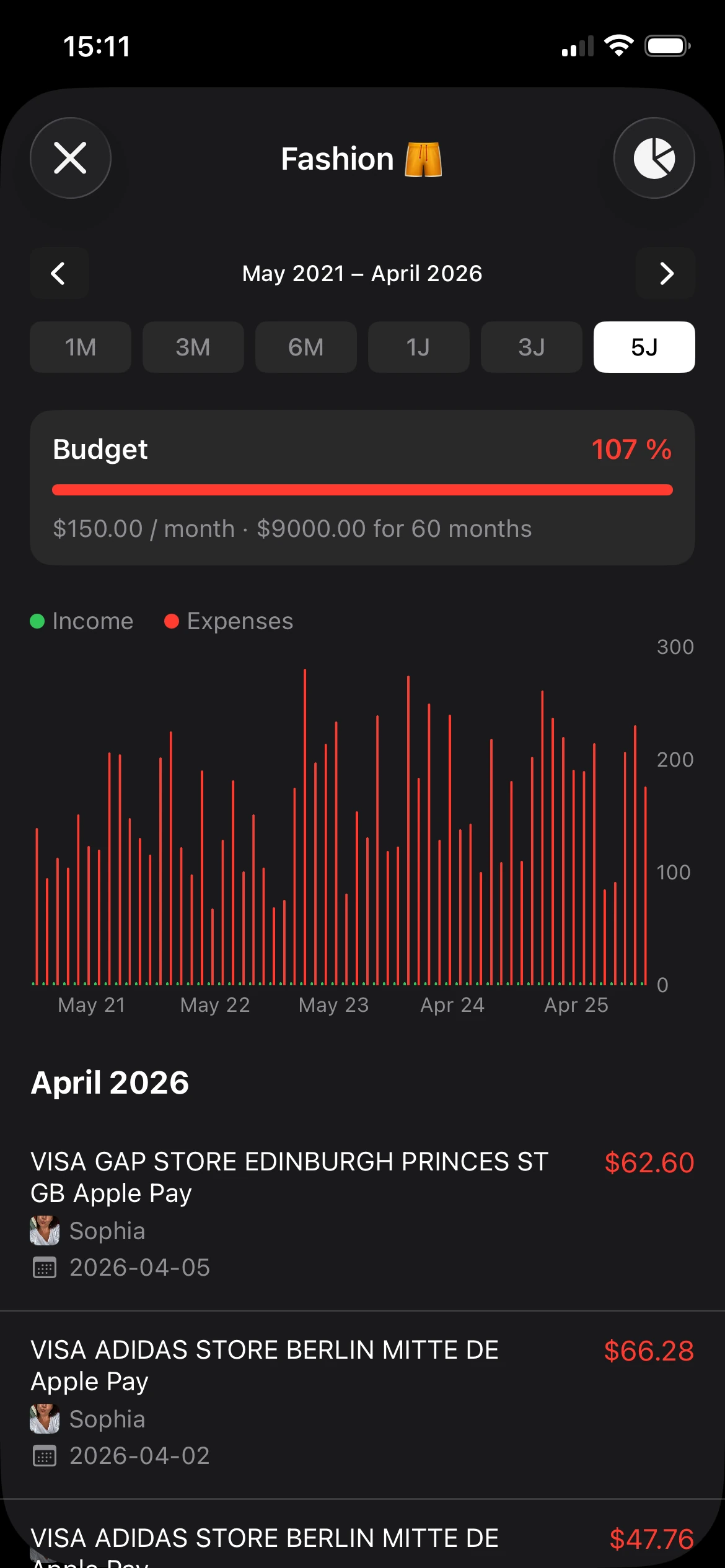
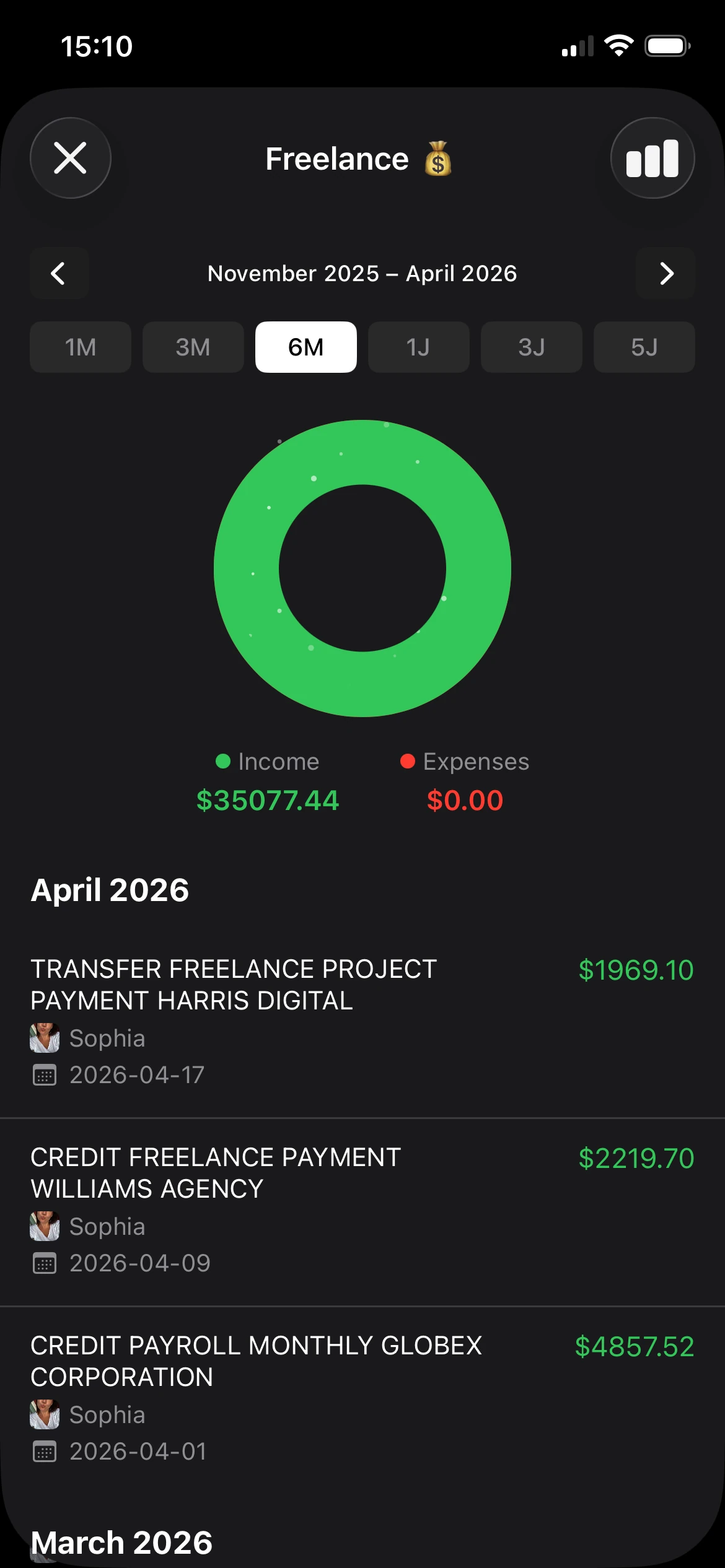
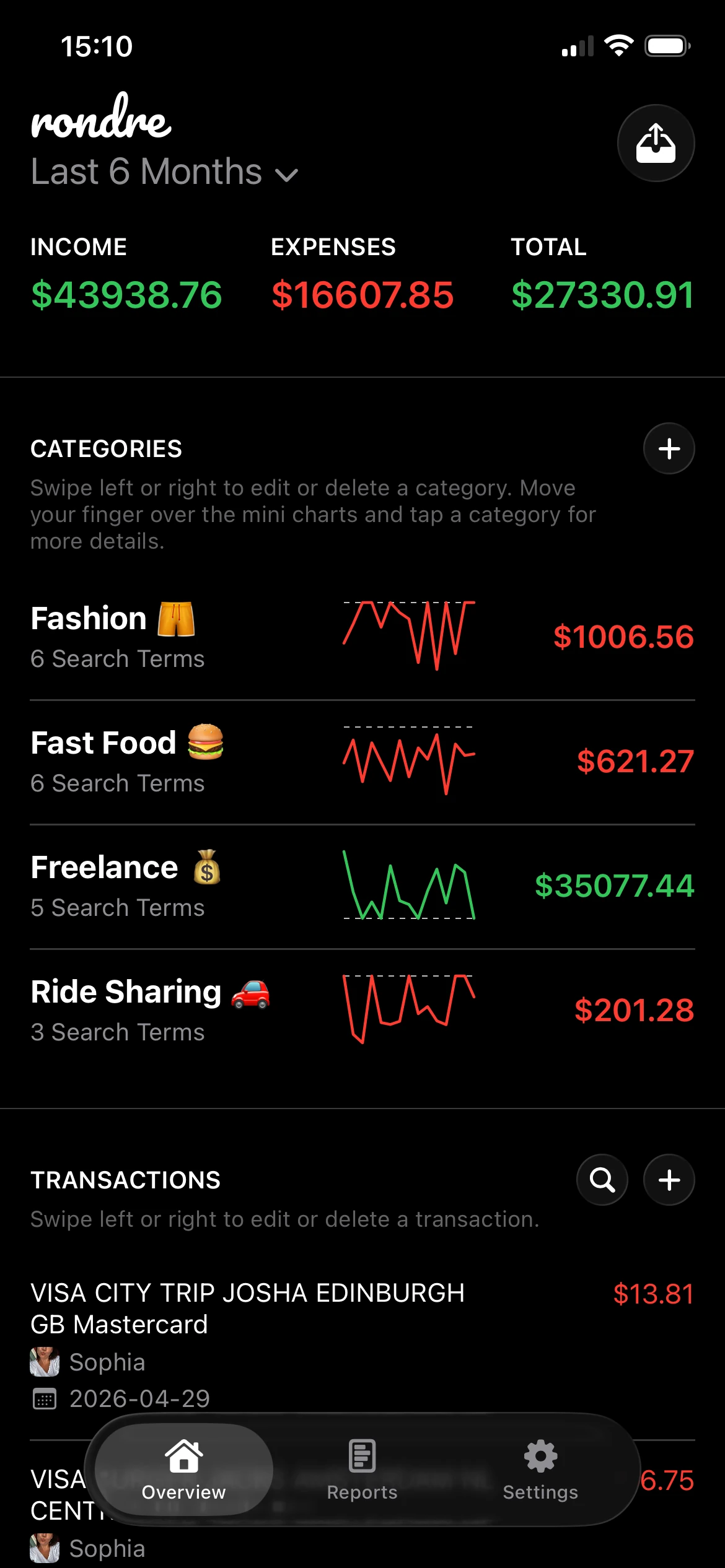
A family budget works better when it matches how shopping happens. One catch-all “groceries” bucket hides too much. A cleaner setup separates purchases into categories such as food, household supplies, and personal care.
That matters because the family can finally answer useful questions. Did food itself go up this month, or was it cleaning supplies? Are school snacks driving overspending, or is it the monthly refill of paper goods? Which store keeps producing the most mixed receipts?
A simple tracking tool is most helpful when it supports:
- Custom categories. Food, household supplies, personal care, snacks, bulk stock-up trips.
- Searchable transactions. Useful for finding repeat purchases fast.
- Statement imports. Helpful when the household needs a starting baseline without entering every old purchase by hand.
- Shared books. Important when more than one adult buys essentials.
The true win is clarity. Once spending is categorized well, the budget conversation gets less emotional because the numbers are visible and specific.
Use shared tracking to reduce tension at home
Shared budgeting works best when both adults see the same information. That removes the common pattern where one person feels like the “budget enforcer” and the other feels watched or blamed.
A shared household book creates a neutral record. One partner can log a checkout total after a supermarket trip. The other can add the warehouse purchase later. Both can review the same category totals and see what’s happening without trying to reconstruct the month from memory.
A family can keep the routine simple:
- Create one household book. Keep everyday spending in one shared place.
- Add category rules that match store habits. Grocery receipts often contain more than food.
- Log purchases right after checkout or import statements later. Either method is better than waiting until month-end.
- Review category charts once a week. Short check-ins are easier than monthly post-mortems.
Shared tracking turns “Who spent this?” into “What does this category show?”
That shift matters. Grocery spending is emotional because it touches feeding children, time pressure, and the feeling that every decision costs more than it should. A clean record doesn’t solve inflation, but it does stop the confusion that makes inflation harder to manage.
Staying on Track and Adjusting Your Plan
A grocery budget for family of 5 isn’t something the household sets once and forgets. Kids eat more during some seasons. School schedules shift. One month includes extra household supplies. Another month has more pantry meals and fewer stock-up trips.
That’s normal.
The better approach is a short weekly review. Check what was spent, look at which category moved most, and adjust the next trip before the month gets away from the family. If the budget runs high one week, the answer usually isn’t shame. It’s a reset. Pantry meals, a freezer week, or fewer convenience items can bring spending back in line.
A budget also needs room for imperfect weeks. Sick days happen. Busy weeks happen. Last-minute store trips happen. What matters is catching the pattern quickly and correcting it while it’s still small.
The strongest family budgets are collaborative. They rely on visible numbers, shared decisions, and a plan that can bend without breaking.
A practical next step is to download rondre, import the latest bank statement, and create one starting category for Groceries. Then split the next few receipts into Food, Household Supplies, and Personal Care. That single change gives a family clearer numbers by tonight, without ads, tracking, or account setup getting in the way.