Um orçamento muitas vezes parece sólido até a vida real aparecer. As compras de supermercado estão registradas, as assinaturas estão sob controle e o plano mensal parece realista. Então o carro precisa de conserto, um animal de estimação precisa de tratamento, ou uma viagem em família se torna necessária de repente, e o mês inteiro sai dos trilhos.
Esse tipo de despesa parece aleatório, mas geralmente não é. Ele pertence a uma categoria que muitas pessoas deixam completamente fora do orçamento: despesas não recorrentes. Esses custos não acontecem todos os meses, mas acontecem com frequência suficiente para merecer um lugar no planejamento.
Índice
- Por que seu orçamento continua saindo do controle e como corrigir isso
- Identificando seus custos irregulares e pontuais
- Como custos inesperados afetam sua saúde financeira
- Estratégias proativas de economia para despesas futuras
- Um fluxo de trabalho passo a passo no app Rondre
- Seu plano de ação para um orçamento mais previsível
Por que seu orçamento continua saindo do controle e como corrigir isso
Um padrão comum é assim: alguém monta um orçamento mensal cuidadoso, cobre aluguel, compras, combustível e telefone, e se sente confiante por cerca de duas semanas. Depois disso, um pneu estoura, um notebook precisa ser substituído, ou um custo relacionado à escola aparece no pior momento possível.
O problema geralmente não é falta de disciplina. O problema é que muitos orçamentos planejam apenas as despesas recorrentes, ou seja, as contas que aparecem em uma programação regular. A vida inclui outra camada de gastos que não se encaixa perfeitamente em uma rotina mensal.
A categoria oculta que a maioria dos orçamentos ignora
Despesas não recorrentes são custos pontuais ou irregulares que ficam fora dos gastos normais do mês a mês. Nas finanças empresariais, elas incluem itens como honorários jurídicos, grandes reparos, reestruturação, recuperação após desastres, compras de equipamentos e implementação de software, como explicado nesta visão geral sobre despesas não recorrentes e normalização financeira. Na vida pessoal, a mesma ideia aparece como viagens de emergência, taxas anuais, reparos domésticos, presentes, custos de mudança e despesas com veículos.
Isso importa porque esses custos podem ser altos, mas não aparecem com frequência suficiente para parecerem urgentes até já estarem vencendo.
Regra prática: Um orçamento não está quebrado porque uma despesa irregular apareceu. Um orçamento está quebrado porque essa despesa não tinha categoria antes de chegar.
Uma forma melhor de pensar sobre orçamento
O orçamento mensal funciona melhor quando inclui mais do que contas mensais. Um orçamento mais forte trata custos irregulares como esperados, mesmo quando a data exata não está clara.
Essa mudança altera a experiência emocional com o dinheiro. Em vez de se sentir pego de surpresa, uma família começa a enxergar custos inesperados como parte da realidade financeira. Alguns serão planejados. Outros não. Ambos podem ser administrados melhor quando são nomeados e acompanhados.
Um orçamento simples tem duas funções:
- Cobrir a rotina: Aluguel, contas de serviços, compras, transporte, assinaturas.
- Preparar-se para o irregular: Reparos, pagamentos anuais, viagens, gastos sazonais, necessidades pontuais.
- Separar os dois: Isso torna as tendências mais fáceis de entender e evita que um único mês incomum crie confusão.
Quando essa distinção fica clara, o próximo passo se torna muito mais fácil. Uma pessoa pode parar de perguntar: “Por que isso continua acontecendo?” e começar a perguntar: “Quais custos irregulares aparecem nesta vida repetidas vezes?”
Identificando seus custos irregulares e pontuais
Algumas despesas se repetem como horário de trem. Outras se parecem mais com desvios na estrada. Elas podem ser necessárias, previsíveis em um sentido amplo, mas não fazem parte da rota diária normal.
Esse segundo grupo é onde começa a maior parte da confusão. As pessoas muitas vezes sabem que uma despesa não é mensal, mas ainda assim não sabem onde colocá-la no orçamento.

A diferença simples que acaba com a confusão
Uma despesa recorrente acontece em uma programação regular. Aluguel, serviços de streaming, internet ou um pagamento semanal de creche se encaixam aqui. Uma despesa não recorrente acontece uma vez, raramente ou em intervalos irregulares.
Alguns custos causam confusão porque voltam, mas não mensalmente. Prêmios anuais de seguro são um bom exemplo. Eles não são aleatórios, mas também não fazem parte do conjunto padrão de contas mensais. Isso os torna irregulares para fins de orçamento, mesmo que sejam esperados.
Para leitores que também querem separá-los dos gastos que mudam de mês para mês, este guia sobre a definição de despesas variáveis ajuda a esclarecer a diferença entre custos variáveis e irregulares.
| Característica | Despesas recorrentes | Despesas não recorrentes |
|---|---|---|
| Frequência | Regular e repetida | Pontual ou pouco frequente |
| Momento | Geralmente previsível | Muitas vezes irregular ou ocasional |
| Papel no orçamento | Parte do planejamento mensal normal | Precisa de planejamento antecipado ou de uma reserva |
| Exemplos | Aluguel, conta de telefone, contas de serviços | Conserto do carro, prêmio anual, viagem de emergência |
Exemplos comuns para procurar
Uma forma útil de identificar despesas não recorrentes é analisar o ano, não apenas o mês. Estas são categorias comuns:
- Custos anuais: Prêmios de seguro, associações, taxas escolares, gastos de fim de ano.
- Custos de manutenção: Revisão do carro, substituição de eletrodomésticos, reparos domésticos, upgrades de tecnologia.
- Custos de eventos da vida: Casamentos, itens para bebê, mudança, viagens em família, presentes.
- Verdadeiras surpresas: Contas médicas, voos de emergência, reparos urgentes.
Um custo não precisa ser chocante para contar como não recorrente. Ele só precisa estar fora do ritmo normal do orçamento.
Outro teste útil é este: se uma pessoa removesse essa despesa de um mês, o mês de repente pareceria “normal” novamente? Se sim, ela provavelmente pertence à categoria não recorrente.
As pessoas também ficam presas às palavras pontual e irregular. Pontual significa que provavelmente não voltará tão cedo. Irregular significa que retorna, mas não em um ciclo mensal previsível. Ambas pertencem à mesma conversa de planejamento, porque ambas podem distorcer o orçamento quando misturadas aos gastos comuns.
Como custos inesperados afetam sua saúde financeira
Um custo inesperado não apenas aumenta os gastos de um mês. Ele muda decisões ao longo de várias semanas, às vezes vários meses. Uma família pode adiar outras contas, pausar economias ou recorrer ao crédito para passar por uma despesa que não tinha lugar no plano.
Essa reação em cadeia é o motivo pelo qual despesas não recorrentes merecem atenção.

O problema do fluxo de caixa
O primeiro impacto atinge o fluxo de caixa. O dinheiro que estava destinado a compras, aluguel ou pagamentos de dívidas é direcionado para uma emergência. Mesmo quando a despesa é válida e necessária, o momento pode criar um aperto de curto prazo.
O tamanho desses custos costuma ser maior do que as pessoas esperam. Reparos domésticos pontuais nos EUA custam em média entre 5000 e 15000 dólares, e cobranças não recorrentes podem responder por até 15-20% da volatilidade da renda durante mudanças econômicas, de acordo com a explicação da Wall Street Prep sobre itens não recorrentes.
Isso ajuda a explicar por que uma “conta inesperada” pode parecer tão desestabilizadora. Não é apenas um incômodo. Pode ser grande o suficiente para mudar o mês inteiro.
O problema do estresse
O estresse financeiro muitas vezes vem menos do custo em si e mais da correria em torno dele. Uma pessoa que já está tentando acompanhar as contas normais agora precisa tomar decisões rápidas sob pressão.
As reações típicas são assim:
- As economias são drenadas: O dinheiro reservado para metas é usado para controlar o dano imediato.
- O crédito vira a saída: A conta é resolvida, mas os efeitos continuam por meio de juros e pagamentos mínimos.
- O orçamento começa a parecer inútil: Uma pessoa pode parar completamente de acompanhar porque o plano já não parece confiável.
Quando custos irregulares são tratados como acidentes raros, cada novo custo parece prova de que fazer orçamento não funciona. Na verdade, o orçamento só precisa de um lugar para eles.
Também existe um custo mental. Despesas não planejadas criam a sensação constante de que mais uma conta pode tirar tudo do rumo. Essa pressão pode fazer as pessoas evitarem verificar contas, adiarem decisões ou subestimarem necessidades futuras porque pensar nelas parece desagradável.
Um sistema mais forte reduz essa pressão. Ele não elimina reparos, necessidades médicas ou viagens urgentes. Ele elimina o caos ao redor deles.
Estratégias proativas de economia para despesas futuras
A resposta mais eficaz às despesas não recorrentes é simples. Economize para elas antes de vencerem e mantenha uma reserva separada para aquelas que ninguém consegue prever.
Essas são duas ferramentas diferentes. Elas funcionam melhor quando não são misturadas.

Use fundos de amortização para custos futuros conhecidos
Um fundo de amortização é dinheiro separado gradualmente para uma despesa futura específica. Ele funciona bem quando a despesa é provável, mesmo que não seja mensal.
Exemplos incluem seguro anual, presentes de fim de ano, despesas escolares, equipamento profissional e manutenção do carro. O custo pode não vencer hoje, mas não deveria ser tratado como surpresa.
A fórmula é direta:
Custo total / Meses para economizar = Contribuição mensal
Se uma família espera uma grande conta anual, o total pode ser dividido pelos meses que antecedem o vencimento. Isso transforma uma quantia única dolorosa em uma ação mensal administrável.
Essa abordagem é ainda mais importante para compras maiores. A compra de um veículo tem um custo médio nos EUA de cerca de 35000 dólares, o que mostra por que planejar com antecedência usando um fundo de amortização pode reduzir a pressão e ajudar a evitar financiamentos desfavoráveis, como observado na visão geral da Paylocity sobre despesas recorrentes e não recorrentes.
Um fundo de amortização funciona melhor quando tem um rótulo claro. “Economias diversas” é vago demais. “Conserto do carro”, “Presentes de fim de ano” ou “Manutenção da casa” torna o dinheiro mais fácil de proteger.
Use um fundo de contingência para verdadeiras surpresas
Um fundo de amortização cobre os gastos irregulares esperados. Um fundo de contingência cobre o desconhecido.
Esse é o dinheiro para a despesa que ninguém consegue nomear com antecedência. A consulta odontológica de emergência. O voo urgente. A falha de um eletrodoméstico. A categoria não é o ponto principal. A flexibilidade é.
Algumas pessoas travam quando ouvem conselhos comuns sobre fundo de emergência porque o objetivo final parece grande demais. Isso não significa que a estratégia esteja errada. Significa que o ponto de partida deve ser menor e mais realista.
Uma forma prática de começar:
- Escolha uma meta inicial: Um primeiro marco cria impulso.
- Mantenha separado dos gastos diários: Dinheiro acessível demais muitas vezes é absorvido por necessidades de rotina.
- Reponha depois de usar: Um fundo de contingência não “falhou” quando foi usado. Ele está fazendo seu trabalho.
Mentalidade útil: O objetivo não é prever cada surpresa. O objetivo é impedir que cada surpresa vire uma crise.
Qual fundo deve guardar o dinheiro?
Um teste rápido pode resolver a confusão:
- Se a despesa é provável e específica, use um fundo de amortização.
- Se a despesa é incerta e imprevisível, use um fundo de contingência.
Ambos importam. Um cria preparação. O outro cria resiliência.
Um fluxo de trabalho passo a passo no app Rondre
Saber o que fazer é útil. Fazer isso de forma consistente no celular é o que faz o hábito permanecer. Um fluxo de trabalho simples torna despesas não recorrentes mais fáceis de identificar, planejar e revisar sem transformar o orçamento em um projeto de planilha.

Configurar uma estrutura clara
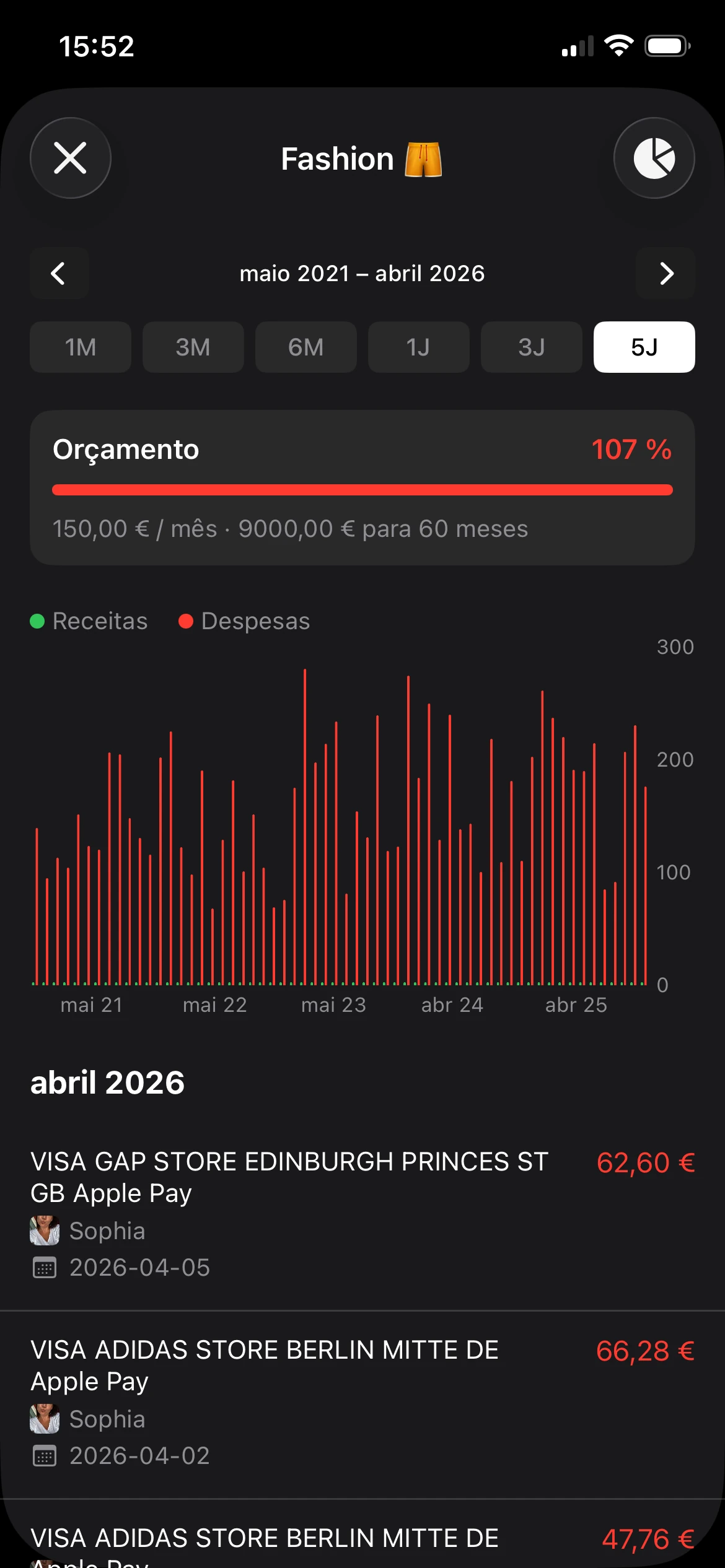
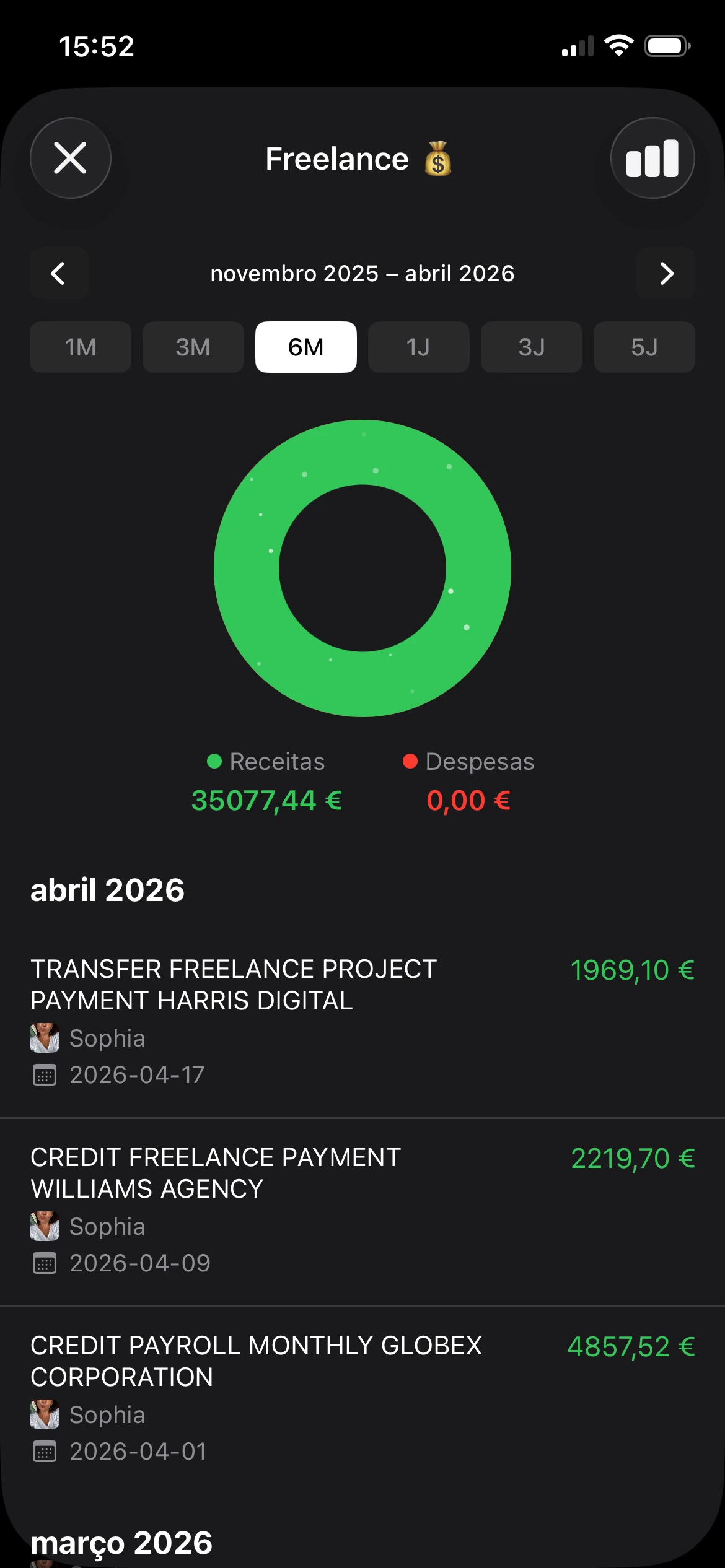
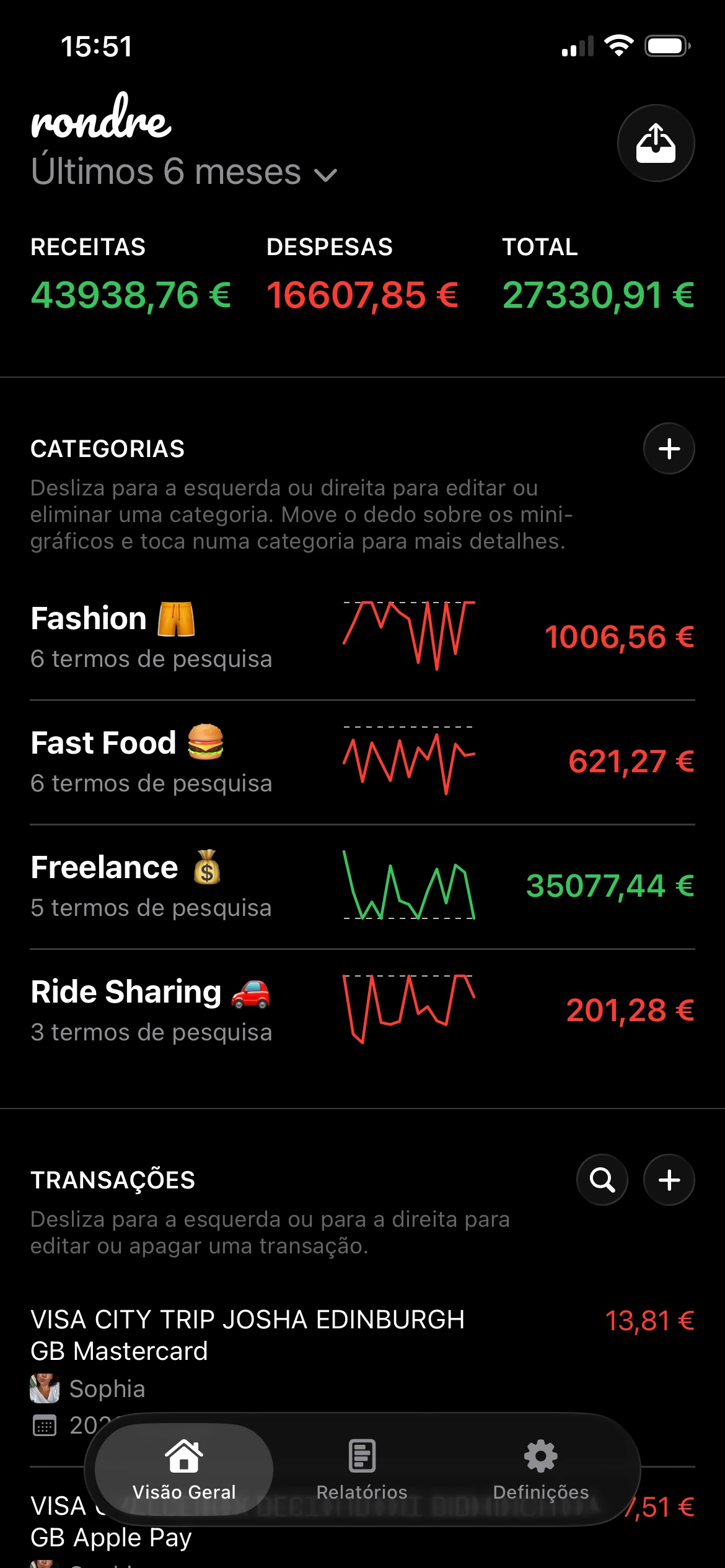
Uma configuração prática no rondre começa com um livro separado para metas de economia irregulares ou com uma categoria principal chamada “Não recorrentes” dentro do livro principal da família. Ambas as opções podem funcionar.
O método da categoria principal costuma ser mais fácil para iniciantes porque mantém gastos regulares e irregulares visíveis em um só lugar. Dentro dessa categoria principal, podem ser adicionadas subcategorias como:
- Conserto do carro
- Manutenção da casa
- Surpresa médica
- Viagens
- Presentes e festas
- Contas anuais
O objetivo não é uma classificação perfeita. O objetivo é reconhecimento rápido. Se uma transação aparecer seis meses depois, a categoria ainda deve fazer sentido à primeira vista.
Acompanhar o dinheiro antes e depois da despesa aparecer
Esta parte é a mais importante. Muitas pessoas registram apenas a conta grande quando ela chega. Um método mais forte também registra o processo de economia.
Um fluxo de trabalho simples é assim:
Crie a categoria Adicione uma categoria para cada custo irregular que seja importante o suficiente para ser planejado.
Registre a contribuição mensal Cada vez que dinheiro for separado, registre essa transferência na categoria relevante. Por exemplo, um valor mensal economizado para “Manutenção da casa” deve ser registrado de forma consistente para que o app reflita a preparação, não apenas o gasto.
Registre a despesa real Quando o reparo, a compra de presente ou o prêmio anual for pago, registre a transação na mesma categoria.
Revise o histórico da categoria Pesquise a categoria depois para ver tanto a construção da reserva quanto o gasto final em um só lugar.
Esse padrão cria uma história financeira muito mais clara. Em vez de uma única cobrança dolorosa aparecer do nada, o registro mostra que a despesa havia sido antecipada.
Uma categoria se torna mais útil quando captura tanto o planejamento quanto o resultado.
Usar importações e livros compartilhados para se manter atualizado
Rondre oferece suporte a arquivos CSV e uploads de extratos bancários em PDF, o que facilita organizar meses anteriores. Se uma pessoa deixou passar uma despesa não recorrente no início do ano, importar transações pode ajudar a encontrá-la e classificá-la corretamente depois.
Isso é especialmente útil para encontrar padrões como assinaturas anuais, contas médicas pontuais, picos de viagem ou custos de reparo que foram esquecidos depois que o mês passou. Uma busca rápida nas transações importadas muitas vezes revela despesas irregulares que merecem sua própria categoria na próxima vez.
Livros compartilhados também ajudam casais e famílias. Uma pessoa pode se lembrar dos custos escolares enquanto a outra percebe despesas com o veículo ou reparos domésticos. Colocar essas transações no mesmo livro compartilhado cria uma visão melhor da família e reduz o problema de “alguém esqueceu de mencionar”.
Uma rotina prática dentro do app poderia ser assim:
- No início do mês: Adicionar ou revisar categorias de despesas irregulares.
- Durante o mês: Registrar transferências para economia e gastos pontuais reais.
- No fim do mês: Usar a busca para revisar todas as transações “Não recorrentes” e decidir quais precisam de futuros fundos de amortização.
- Depois de importar extratos: Recategorizar itens esquecidos para que o histórico do orçamento permaneça correto.
Essa configuração continua leve, mas dá uma resposta clara a uma pergunta importante: essa despesa foi aleatória ou apenas não estava sendo acompanhada?
Seu plano de ação para um orçamento mais previsível
Um orçamento se torna mais estável quando inclui tanto contas comuns quanto custos irregulares. Despesas não recorrentes não desaparecem só porque não são mensais. Elas ainda moldam o fluxo de caixa, os níveis de estresse e as decisões financeiras.
O processo mais confiável é curto:
- Identificar os custos irregulares que aparecem na vida real.
- Planejar para eles com fundos de amortização ou uma reserva de contingência.
- Acompanhar separadamente para que não confundam a imagem dos gastos mensais normais.
Essa abordagem muda mais do que os números. Ela muda a sensação do orçamento. Em vez de reagir a cada interrupção, uma família começa a construir um sistema que espera gastos irregulares e os administra com calma.
Um primeiro passo útil não precisa ser complicado. Ele só precisa ser específico.
Reserve cinco minutos hoje e liste três próximas despesas não recorrentes para o próximo ano. Podem ser manutenção da casa, seguro anual, viagens, presentes, custos escolares ou consertos do carro. Depois, dê a cada uma uma categoria e um lugar aproximado no orçamento. Essa única ação transforma uma fonte vaga de estresse em algo visível e administrável.
Uma forma prática de colocar isso em ação é com o rondre, um rastreador financeiro gratuito para iPhone que facilita registrar transações, criar categorias personalizadas para custos irregulares, importar arquivos CSV e extratos bancários em PDF, e compartilhar um livro com um parceiro ou família. Como não tem anúncios, não faz tracking e não exige cadastro, ele funciona bem para qualquer pessoa que queira um lugar privado e simples para acompanhar despesas não recorrentes a partir de hoje.