Muitas pessoas começam este desafio da mesma forma. Querem uma maneira simples de poupar para algo importante, não querem mais uma planilha de orçamento complicada e gostariam de ter algo que possam imprimir, pendurar e seguir com consistência.
É por isso que o desafio gratuito imprimível dos 100 envelopes continua funcionando para tantos poupadores. Ele transforma a poupança em uma rotina visível, em vez de um objetivo abstrato. Um envelope, um valor, uma pequena vitória de cada vez. Para casais e famílias, também pode se tornar um projeto compartilhado, em vez de mais uma conversa sobre dinheiro que se perde e acaba sendo esquecida.
Índice
- O que é o desafio dos 100 envelopes e como ele funciona
- Seus trackers gratuitos imprimíveis para o desafio dos 100 envelopes
- Personalizando o desafio de acordo com seus objetivos de poupança
- Dicas para manter a motivação e a consistência
- Como acompanhar seu progresso com o app rondre
- Seu primeiro passo para poupar mais de 5000 $
O que é o desafio dos 100 envelopes e como ele funciona
A sexta-feira à noite chega, uma pessoa tira o envelope 84, a outra tira o 12, e a família precisa decidir o que cabe no orçamento daquela semana. Esse momento explica por que o desafio dos 100 envelopes funciona tão bem. Poupar deixa de parecer abstrato e se transforma em uma escolha concreta, com um valor claro e uma linha de chegada visível.
O método é simples. Identifique 100 envelopes de 1 a 100, misture-os e retire um deles de acordo com o cronograma que você escolher. O número sorteado é o valor que você deve poupar naquele envelope.
Se tirar 7, poupe 7 $. Se tirar 63, poupe 63 $. Ao concluir todos os 100 envelopes, o total chega a 5050 $, como explica o guia da Lunch Money sobre o desafio dos 100 envelopes.
Para uma pessoa que poupa sozinha, essa estrutura é simples. Para casais e famílias, é preciso uma regra adicional. Decidam com antecedência se cada sorteio pertence a uma pessoa, vem de um orçamento compartilhado ou será dividido. Essa pequena decisão evita muitos atritos durante o desafio.
A rotina básica
- Reúna os materiais. Use 100 envelopes, um marcador e um local seguro para guardar os envelopes concluídos.
- Numere cada envelope de 1 a 100.
- Misture bem para que valores altos e baixos fiquem distribuídos.
- Escolha um ritmo que combine com a vida real: diário, semanal ou algumas vezes por semana.
- Retire um envelope e poupe exatamente o valor indicado.
- Marque como concluído em um tracker para que nenhum número seja usado duas vezes.
O tracker é importante. Um acompanhamento visível facilita perceber o progresso, o que ajuda nas semanas em que a motivação diminui.
Regra prática: Se mais de uma pessoa participa, combinem as regras antes de preencher o primeiro envelope.
Por que este desafio funciona
A poupança tradicional não oferece retorno imediato. O dinheiro sai da conta corrente e vai para a poupança, mas nada parece realmente diferente. O desafio dos envelopes corrige isso ao conectar cada depósito a um número, uma decisão e uma pequena vitória.
O sorteio aleatório também cria variedade. Algumas semanas parecem fáceis. Outras exigem um pouco de planejamento. Esse equilíbrio faz parte do valor do desafio, porque ensina os lares a poupar durante semanas irregulares, em vez de esperar por um mês perfeito.
Gosto deste desafio porque ele funciona no papel e em lares reais. Um imprimível oferece o lado visual do hábito. Um app privado como rondre oferece a casais e famílias uma forma clara de acompanhar quem adicionou o quê, manter o desafio compartilhado e evitar a confusão comum com dinheiro em espécie, anotações e atualizações esquecidas.
Seus trackers gratuitos imprimíveis para o desafio dos 100 envelopes
Um tracker imprimível elimina a fricção inicial. Em vez de criar uma folha do zero, uma pessoa pode imprimir uma página, colocá-la em um lugar visível e começar hoje.

Uma boa folha para o desafio gratuito imprimível dos 100 envelopes deve cumprir bem duas funções. Ela deve mostrar claramente todos os números dos envelopes e tornar o progresso concluído evidente de relance.
Três estilos imprimíveis que vale a pena usar
- Tracker minimalista em grade. Ideal para quem quer uma página limpa com os números de 1 a 100 e caixas simples para marcar ou preencher.
- Tracker para colorir. Melhor para motivação visual. Cada envelope concluído é colorido, o que faz o progresso parecer mais satisfatório.
- Tracker familiar. Útil quando mais de uma pessoa contribui. Adicione iniciais, datas ou notas ao lado de cada envelope concluído, para que todos vejam o que já foi financiado.
Uma folha impressa funciona melhor quando fica bem visível. A geladeira, a parede do escritório em casa ou o interior de uma porta de armário funcionam melhor do que uma pasta que desaparece em uma gaveta.
Coloque o tracker onde as decisões de poupança realmente acontecem. Perto da carteira, do calendário familiar ou da mesa.
Como usar o imprimível sem pensar demais
Use uma cor de caneta para os envelopes concluídos e outra para os que foram pulados e precisam ser retomados mais tarde. Se o lar compartilha o desafio, cada pessoa pode usar iniciais diferentes ou uma cor de marcador diferente.
Não há necessidade de deixá-lo decorativo, a menos que isso ajude a manter o hábito. A verdadeira função do tracker é responder imediatamente a uma pergunta: O que está feito e o que falta?
Personalizando o desafio de acordo com seus objetivos de poupança
A versão padrão é atraente porque é simples. Ela também é exigente. Poupar o valor total em um cronograma diário não cabe em todos os orçamentos, especialmente quando a renda muda de uma semana para outra.
É aí que as versões personalizadas tornam o desafio muito mais útil. Algumas pessoas mantêm os mesmos valores dos envelopes e alongam o prazo. Outras invertem a ordem e enfrentam primeiro os números maiores. Outras criam uma versão menor em torno de um objetivo muito específico.

Qual versão se encaixa melhor
Os parâmetros da Everyday Chaos and Calm para o desafio dos 100 envelopes mostram várias opções práticas para diferentes padrões de fluxo de caixa. Um ritmo semanal significa preencher 2 envelopes por semana, poupar cerca de 101 $ por semana em média e terminar em 50 semanas. Uma versão quinzenal com incrementos de 100 $ chega a 2600 $ por ano.
O mesmo conjunto de parâmetros também inclui modelos de metas menores, como 1200 $ em 6 meses, 2000 $ em 4 meses e 2600 $ em 1 ano, para pessoas que precisam de um ritmo mais moderado. Para lares com renda variável, esse tipo de flexibilidade costuma ser a diferença entre concluir e desistir.
Um hábito complementar útil é inserir o desafio em um plano de gastos mais amplo. Uma estrutura doméstica simples facilita decidir se o desafio combina com a fase atual ou se precisa de uma versão mais leve. Uma referência prática é este guia sobre como criar um orçamento familiar.
Variações do desafio dos 100 envelopes
| Tipo de desafio | Prazo | Poupança semanal média | Total poupado |
|---|---|---|---|
| Desafio diário padrão | 100 dias | Mais alto e irregular na prática | 5050 $ |
| Ritmo semanal | 50 semanas | ~101 $/semana | 5050 $ |
| Versão quinzenal | 1 ano | 100 $/a cada duas semanas | 2600 $ |
| Meta personalizada | 6 meses | 50 $/semana | 1200 $ |
| Meta personalizada | 4 meses | 50 $/a cada 3 dias | 2000 $ |
Como escolher uma versão realista
A melhor versão não é a que tem o maior total. É a que consegue sobreviver a um mês bagunçado.
Algumas opções funcionam especialmente bem:
- Ordem inversa. Comece pelos números mais altos. Isso antecipa a parte difícil e deixa os envelopes mais fáceis para depois.
- Ritmo semanal. Retire dois envelopes no mesmo dia toda semana. Isso cria um compromisso recorrente de poupança, em vez de uma decisão diária.
- Desafio em escala menor. Mantenha o mesmo conceito, mas reduza os valores para que o hábito se torne automático antes que a meta fique ambiciosa.
Um desafio de poupança deve esticar o orçamento, não quebrá-lo.
Alguns poupadores preferem a aleatoriedade porque ela mantém o desafio divertido. Outros funcionam melhor com uma sequência planejada, porque a incerteza gera estresse. Nenhuma abordagem é mais “correta”. O teste útil é simples: se uma versão provoca falhas repetidas, ela precisa ser ajustada.
Dicas para manter a motivação e a consistência
O impulso geralmente desaparece por um motivo. O desafio começa como uma ideia divertida, depois vira uma sequência de decisões tomadas quando a pessoa está cansada, ocupada ou com pouco dinheiro.
A solução não é mais pressão. A solução é uma estrutura que proteja o hábito quando a vida fica barulhenta.

Faça o desafio parecer real
As pessoas mantêm melhor os objetivos de poupança quando o dinheiro tem uma função. “Poupar mais” é vago. “Fundo para férias” ou “reserva para conserto do carro” é concreto.
Experimente estes pontos de apoio práticos:
- Dê um nome claro à meta. Escreva a meta no topo do imprimível. Isso transforma o desafio de um jogo em um propósito.
- Associe a uma rotina existente. Retire envelopes toda sexta-feira depois do pagamento, todo domingo à noite ou logo após o planejamento das compras.
- Mantenha os materiais prontos. Guarde envelopes, dinheiro em espécie e tracker em um só lugar. A fricção mata a consistência mais rápido do que a falta de motivação.
Um desafio também fica mais fácil quando o progresso é visível para o lar. Se apenas uma pessoa gerencia tudo, os outros muitas vezes esquecem que a meta existe.
Planeje os dias difíceis antes que eles cheguem
A parte mais difícil do desafio geralmente não é o começo. É o momento em que números altos aparecem durante uma semana cara.
Algumas regras tornam isso mais fácil:
- Permita uma política de pular. Se o valor sorteado não couber hoje, deixe-o de lado e volte a ele em uma semana com mais folga.
- Use um envelope de reserva. Mantenha uma pequena quantia extra em dinheiro por perto para os momentos em que um envelope alto aparece na hora errada.
- Não persiga a perfeição. Um envelope atrasado ainda faz parte de um plano que funciona. Um desafio abandonado é a única perda real.
Consistência supera intensidade. Um desafio concluído lentamente ainda funciona.
Lares que fazem este desafio juntos devem combinar as regras com antecedência. Isso importa ainda mais do que a meta de poupança. Regras claras evitam frustração depois.
Como acompanhar seu progresso com o app rondre
A sexta-feira à noite fica confusa rapidamente. Uma pessoa coloca dinheiro no envelope 18, outra transfere dinheiro para a poupança pelo app do banco, e no domingo ninguém tem certeza absoluta do que já foi contado. É aí que muitos casais e famílias perdem o ritmo. O esforço de poupança continua acontecendo, mas o registro fica bagunçado.
Um imprimível mantém o desafio visível. Um app privado mantém o registro preciso. Essa combinação funciona especialmente bem para lares, porque todos podem consultar o mesmo total atualizado sem trocar anotações sobre dinheiro em espécie, mensagens ou um tracker marcado pela metade. A poupança compartilhada desanda mais por confusão no acompanhamento do que por falta de intenção.
A visão geral da Inkpx sobre o desafio dos 100 envelopes também aponta que a poupança compartilhada pode criar atrito quando as pessoas dependem apenas do acompanhamento manual. Vejo o mesmo na prática. O desafio em si é simples. Manter um registro limpo entre dois adultos, ou em uma família inteira, é a parte que normalmente precisa de um sistema melhor.

Crie um livro só para o desafio
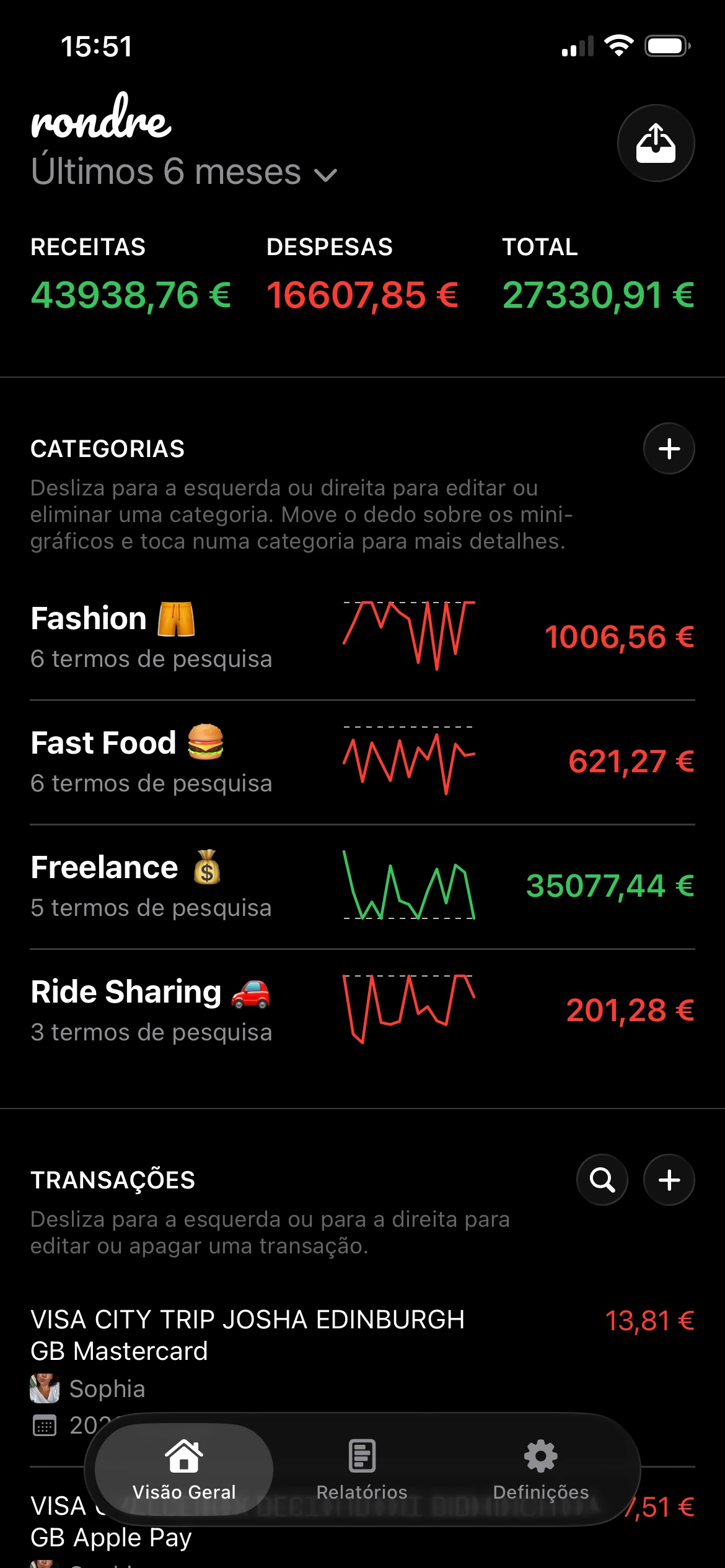
Mantenha este desafio separado dos gastos regulares. Um livro dedicado no rondre facilita isso e impede que os depósitos dos envelopes fiquem perdidos entre supermercado, combustível e contas.
A configuração é simples:
- Crie um livro com um nome claro, como “Desafio dos 100 envelopes”.
- Adicione uma categoria como “Desafio de poupança” ou “Depósitos dos envelopes”.
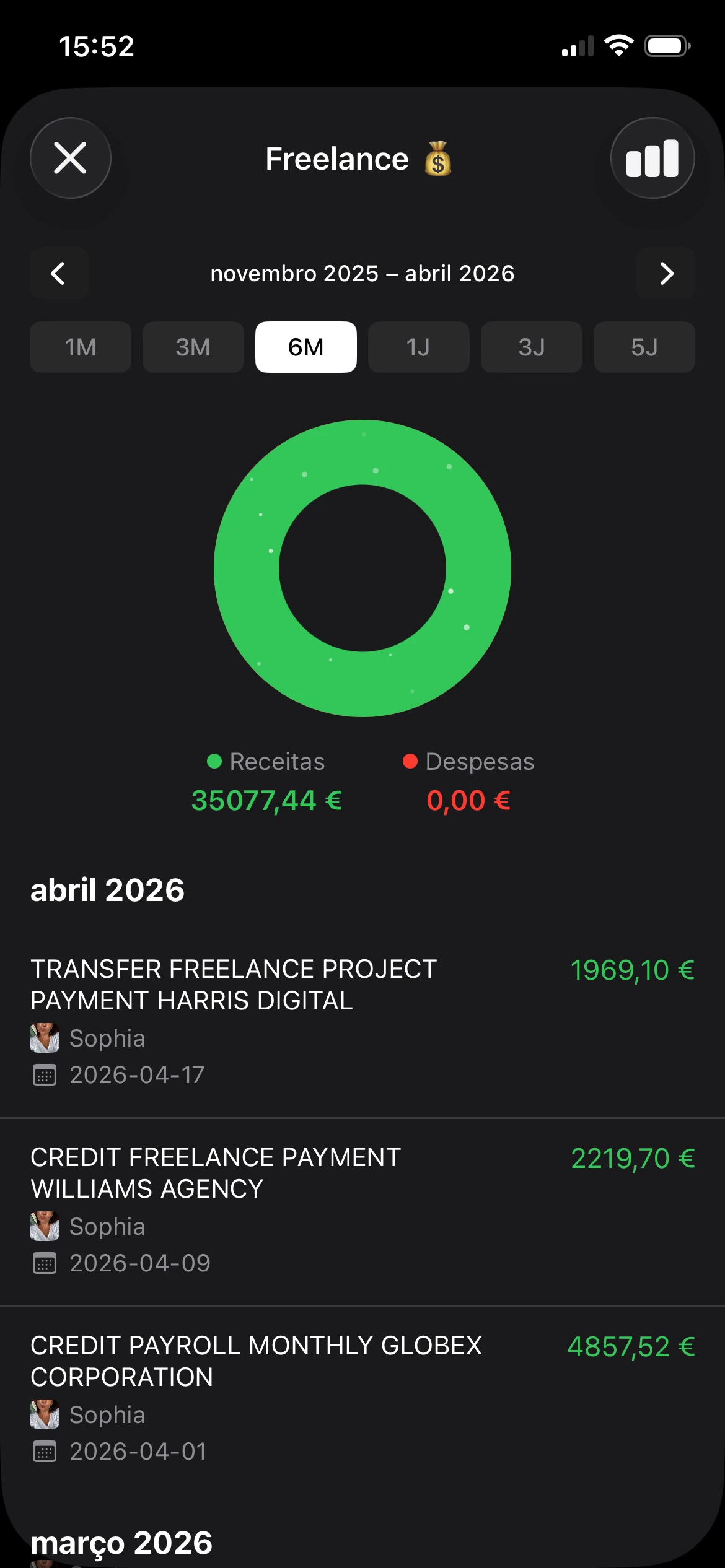
- Registre cada envelope concluído como uma entrada própria.
- Use o campo de notas para detalhes como “Envelope 42” ou “Pago por Alex”.
- Importe registros CSV ou PDF depois, caso algumas contribuições sejam feitas por transferência bancária em vez de dinheiro em espécie.
Essa estrutura oferece um total claro a qualquer momento. Também facilita encontrar erros. Se o envelope 42 aparecer duas vezes, você verá imediatamente, em vez de descobrir o problema semanas depois.
Use acompanhamento compartilhado para casais e famílias
Esta é a parte que torna o rondre diferente de um imprimível sozinho. Ele dá a casais e famílias um único espaço privado para acompanhar o desafio juntos, que é a peça que falta na maioria dos guias sobre os 100 envelopes.
Um lar pode dividir os envelopes por número. Outro pode fazer uma pessoa cuidar dos envelopes maiores enquanto a outra preenche os menores nas semanas mais apertadas. Uma família pode deixar as crianças financiarem envelopes de números baixos com mesada e deixar os adultos cobrirem os valores mais altos. A divisão exata importa menos do que o registro compartilhado.
Uma configuração prática fica assim:
- Um livro compartilhado para cada contribuição
- Notas claras mostrando quem adicionou o dinheiro e qual envelope foi financiado
- Termos de busca para encontrar rapidamente as entradas do desafio
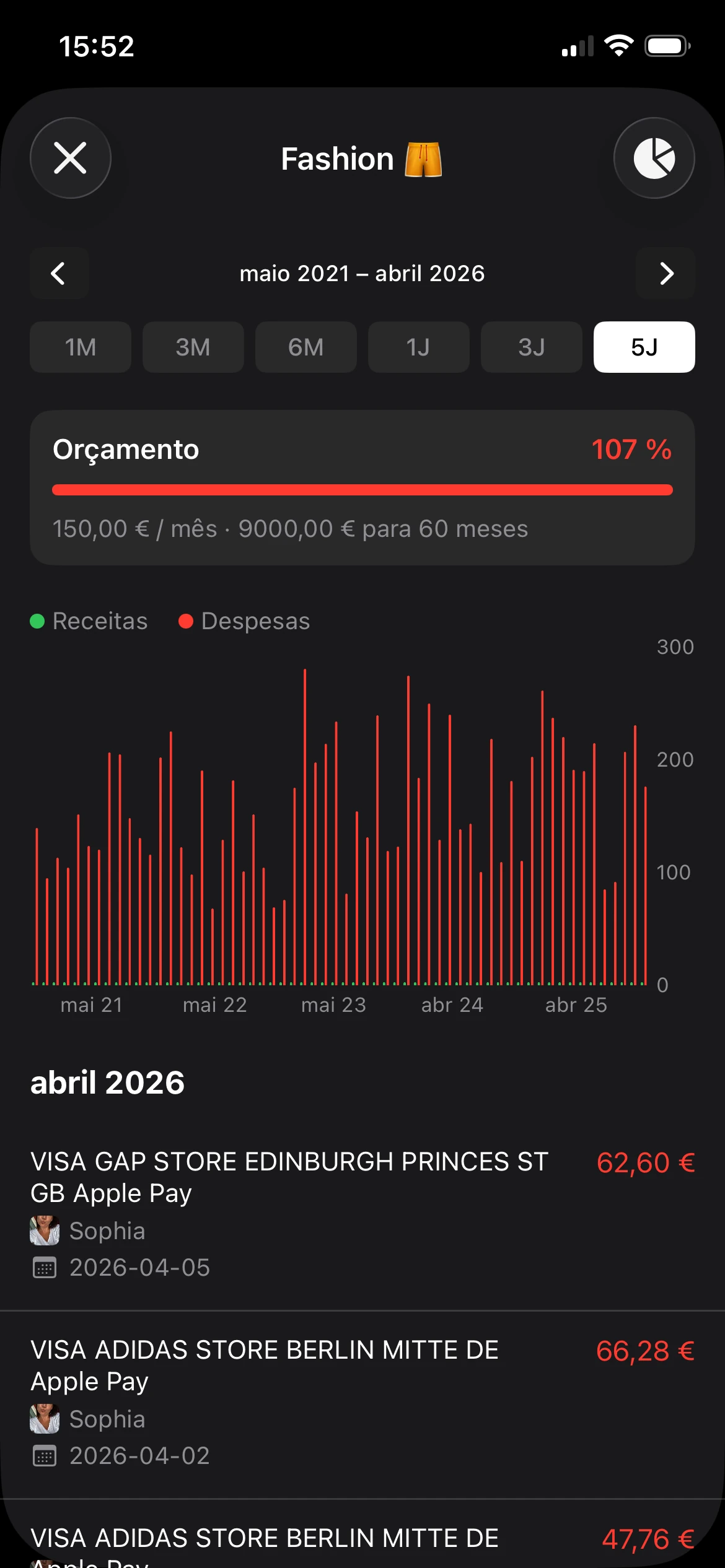
- Gráficos para mostrar o progresso de relance
Recomendo manter o imprimível na geladeira, na parede ou no centro de organização familiar. Use o rondre como fonte confiável. O imprimível motiva a continuar. O app responde à pergunta: “Quanto já poupamos até agora?”
Isso importa ainda mais quando as contribuições vêm de lugares diferentes. O dinheiro em espécie pode ir para um envelope hoje e para o banco na semana seguinte. Uma pessoa pode adicionar dinheiro enquanto a outra está no trabalho. Um tracker privado compartilhado mantém essas partes móveis organizadas sem transformar o desafio em mais um projeto de planilha.
Seu primeiro passo para poupar mais de 5000 $
O apelo deste desafio não está apenas no total. Está na estrutura. Uma pessoa que poupa não precisa de um mês perfeito, um orçamento perfeito ou um sistema perfeito. Precisa de um imprimível, uma versão realista do desafio e uma forma de ver o progresso.
Para algumas pessoas, a versão clássica funcionará. Para outras, a melhor escolha será um ritmo semanal, um padrão quinzenal ou um valor personalizado que combine com a fase atual da vida. Casais e famílias geralmente se saem melhor quando definem as regras cedo, mantêm o tracker visível e usam um registro compartilhado para cada contribuição.
O melhor primeiro passo é pequeno. Imprima um tracker. Identifique os envelopes. Escolha a versão que o orçamento consegue sustentar. Depois conclua o primeiro envelope hoje, mesmo que seja o envelope de 1 $.
Esse primeiro quadrado concluído importa porque transforma a ideia em rotina.
Para acompanhar o desafio de forma fácil e privada, especialmente com um parceiro ou família, experimente rondre. Ele é gratuito, sem anúncios, sem tracking, sem cadastro, e facilita manter um livro de poupança dedicado, compartilhá-lo com outras pessoas, categorizar depósitos dos envelopes, importar dados de transações CSV ou PDF e buscar rapidamente cada entrada. A conclusão prática para hoje é simples: imprima o tracker, financie um envelope e registre essa primeira entrada para que o desafio comece oficialmente.