Molte persone sembrano finanziariamente solide sulla carta eppure si sentono sotto pressione ogni mese. Lo stipendio arriva. Le bollette vengono pagate. Eppure il saldo del conto continua a scendere nei momenti sbagliati: abbonamenti che si rinnovano all'improvviso, il pagamento di una carta che arriva prima che un bonifico si accrediti, e le spese condivise che confondono tutto ulteriormente.
È qui che la gestione del flusso di cassa diventa utile. Non è solo un termine aziendale. È l'abilità quotidiana di assicurarsi che il denaro arrivi prima che debba uscire, in modo che le scadenze a breve termine non si trasformino in stress evitabile. Nelle finanze personali moderne, questo conta ancora di più perché il denaro si muove ora tra conti correnti, carte di credito, bonifici bancari, portafogli digitali, pagamenti ricorrenti e spese condivise del nucleo familiare.
Un budget dice cosa si pianifica di spendere. La gestione del flusso di cassa mostra se il denaro è disponibile quando quei pagamenti scadono. Questa differenza spiega perché una persona può guadagnare bene e sentirsi comunque in ritardo.
Indice
- Oltre il Budget: Perché il Flusso di Cassa È Fondamentale
- Il Cuore del Flusso di Cassa: Entrate, Uscite e Flusso Netto
- Perché il Flusso di Cassa Conta per Te, Non Solo per le Aziende
- Come Tenere Traccia del Tuo Flusso di Cassa con Strumenti Semplici
- Strategie per Migliorare il Tuo Flusso di Cassa Personale
- Il Tuo Primo Passo Oggi: Un Controllo Rapido del Flusso di Cassa
Oltre il Budget: Perché il Flusso di Cassa È Fondamentale
Un problema finanziario comune non riguarda quanto si guadagna. Riguarda il tempismo. Magari ricevi lo stipendio due volte al mese, paghi l'affitto, tieni il passo con la spesa, eppure finisci per controllare il saldo con ansia tre giorni prima del prossimo accredito perché diverse bollette si sono accumulate insieme.
Quella persona non ha necessariamente bisogno di un budget migliore come prima cosa. Spesso ha bisogno di una gestione del flusso di cassa più efficace. In parole semplici, la gestione del flusso di cassa è la pratica di monitorare, prevedere e controllare il denaro in entrata e in uscita, in modo che le scadenze a breve termine possano essere rispettate senza creare problemi di liquidità — una definizione che si ritrova nelle principali guide finanziarie sulla gestione e rendicontazione del flusso di cassa.

Un budget risponde a una domanda
Un budget risponde di solito alla domanda: "Dove dovrebbe andare il denaro?"
È utile, ma non risponde pienamente a:
- Quando arriverà il reddito
- Quando scadranno le bollette
- Quali pagamenti sono flessibili
- Quanto margine rimane dopo che le spese fisse sono saldate
Si può seguire un budget alla lettera e trovarsi ugualmente nei guai se il pagamento dell'assicurazione auto, il rinnovo di uno streaming e un addebito automatico della carta arrivano tutti prima del prossimo stipendio.
Il flusso di cassa risponde alla domanda più difficile
La gestione del flusso di cassa si chiede: "Ci sarà abbastanza denaro nel posto giusto al momento giusto?"
Ecco perché conta così tanto nella vita di tutti i giorni. L'affitto non sa che hai inviato una fattura freelance la settimana scorsa. La bolletta dell'elettricità non sa che un rimborso è in arrivo. Il denaro deve esserci nel momento in cui il pagamento viene processato.
Regola pratica: Un piano finanziario non funziona se sembra tutto a posto su base mensile ma è caotico su base settimanale.
È anche per questo che le aziende redditizie possono fallire nonostante i guadagni, come la letteratura finanziaria sottolinea da tempo. Il rendiconto finanziario è diventato uno strumento di reportistica fondamentale perché le aziende avevano bisogno di una visione più chiara dei flussi di cassa operativi, di investimento e di finanziamento — e perché il profitto da solo non garantisce che stipendi, affitto, fornitori o rate del debito possano essere pagati puntualmente. Una guida alla finanza aziendale nota che circa il 20% delle piccole imprese fallisce entro il primo anno e il 65% entro il decimo, citando dati del Bureau of Labor Statistics nella sua analisi sulla disciplina del cassa e il rischio di sopravvivenza nell'analisi del flusso di cassa per la stabilità aziendale.
Per le finanze personali, la lezione è semplice. Non bisogna essere "cattivi con i soldi" per avere un problema di flusso di cassa. A volte basta un sistema che corrisponda alla realtà quotidiana.
Il Cuore del Flusso di Cassa: Entrate, Uscite e Flusso Netto
Il modo più semplice per capire il flusso di cassa è immaginare una vasca da bagno.
Il rubinetto è il denaro che entra. Lo scarico è il denaro che esce. Il livello dell'acqua è la liquidità disponibile in questo momento. Se lo scarico svuota più velocemente di quanto il rubinetto riempia, la vasca si abbassa. Se il denaro entra più velocemente di quanto esca, la vasca si alza.

Le entrate sono il rubinetto
Le entrate di cassa sono tutti i modi in cui il denaro entra nei tuoi conti.
Per chi gestisce le finanze personali, possono includere:
- Stipendio o salario
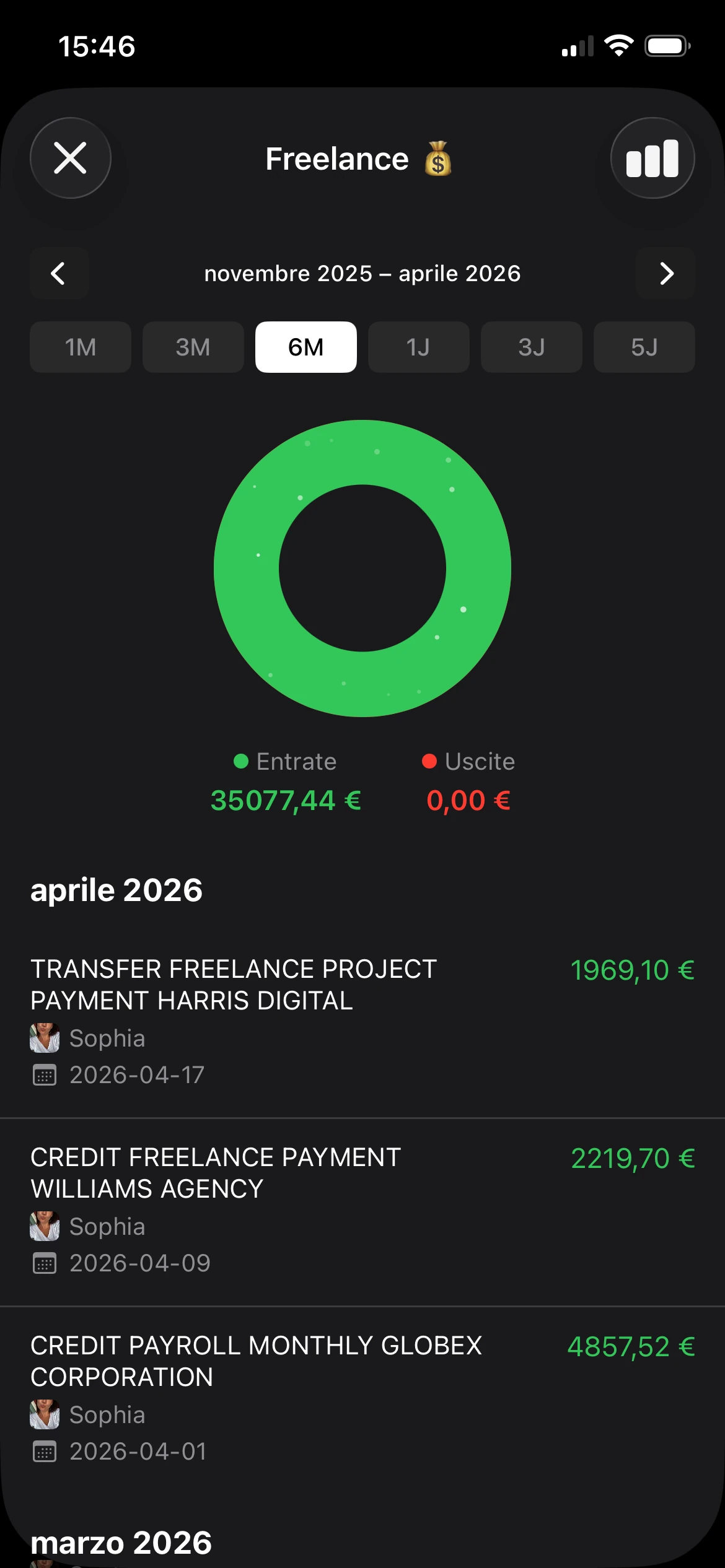
- Pagamenti da lavoro freelance
- Redditi da attività secondarie
- Rimborsi fiscali
- Trasferimenti da un partner per le spese condivise
- Proventi dalla vendita di oggetti inutilizzati
La parola chiave è cassa. Un pagamento promesso non è ancora un'entrata. Una fattura non pagata non è disponibile per la spesa, l'affitto o la bolletta del telefono.
Le uscite sono lo scarico
Le uscite di cassa sono tutti i modi in cui il denaro lascia i tuoi conti.
Spesso includono:
- Affitto o mutuo
- Utenze
- Spesa alimentare
- Trasporti
- Pagamenti della carta di credito
- Abbonamenti
- Assicurazioni
- Ristoranti e acquisti impulsivi
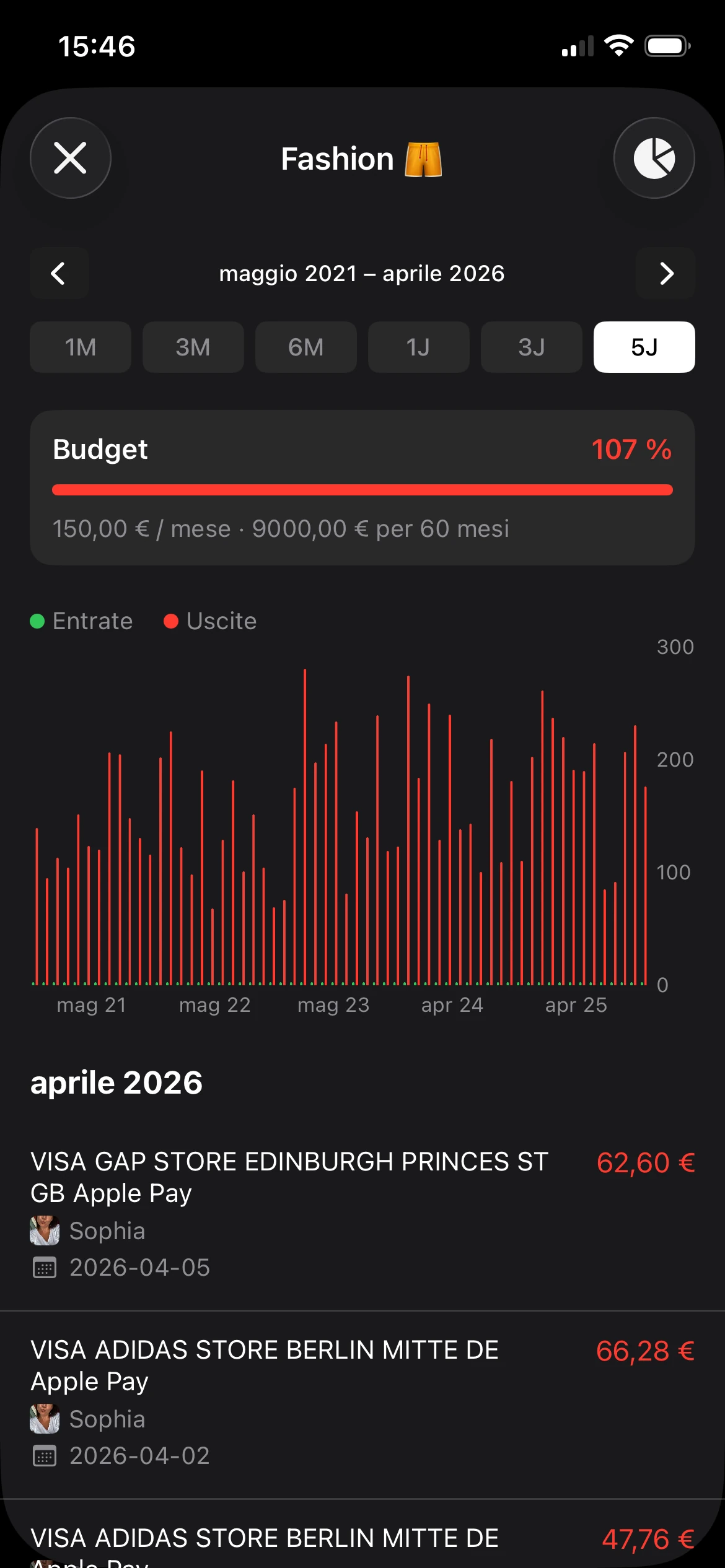
Per molte persone, la confusione più grande non è individuare le bollette grosse. È vedere quante piccole uscite sono attive contemporaneamente. Per questo un sistema chiaro di categorizzazione delle spese aiuta molto. Una guida pratica alle categorie di spesa può rendere molto più facile individuare i pattern nascosti.
Il flusso netto è l'andamento del livello dell'acqua
Il flusso di cassa netto è la differenza tra entrate e uscite in un determinato periodo.
Una visione semplice si presenta così:
| Termine | Significato semplice | Esempio personale |
|---|---|---|
| Entrate | Denaro in entrata | Stipendio di venerdì |
| Uscite | Denaro in uscita | Affitto, spesa, abbonamenti |
| Flusso netto | Entrate meno uscite | Positivo se avanza denaro, negativo se le spese superano le entrate |
Una persona può avere un flusso di cassa positivo questo mese e sentirsi comunque a corto questa settimana. Ecco perché il tempismo conta quanto i totali.
La gestione del flusso di cassa non è la stessa cosa della gestione degli utili. Si concentra sul monitoraggio e sull'ottimizzazione del denaro reale in entrata e in uscita per far fronte agli obblighi a breve termine — motivo per cui i disallineamenti temporali possono creare carenze di liquidità anche per aziende redditizie o individui con alto reddito, come spiegato nella panoramica di DebtBook sulle strategie di flusso di cassa.
Perché si confonde il reddito con la solidità finanziaria
Un reddito elevato può creare falsa sicurezza. Se una persona guadagna bene ma il denaro è già impegnato prima di arrivare, può sentirsi comunque a corto di liquidità. La stessa cosa accade quando qualcuno ha patrimonio ma pochissima liquidità sul conto corrente.
Questo è il cuore della questione: cos'è la gestione del flusso di cassa. Non si tratta di sembrare ricchi, redditizi o finanziariamente organizzati dall'esterno. Si tratta di avere abbastanza denaro disponibile, al momento giusto, per far fronte agli obblighi reali.
Perché il Flusso di Cassa Conta per Te, Non Solo per le Aziende
Lo stipendio arriva venerdì. L'affitto viene addebitato il primo. Tre abbonamenti si rinnovano a metà settimana, il pagamento automatico della carta arriva un giorno prima del previsto e il tuo partner doveva inviare la sua metà delle utenze ma se ne è dimenticato. Sulla carta guadagni abbastanza. Nella realtà, il conto sembra comunque tirato.
Quel gap è il motivo per cui il flusso di cassa conta nelle finanze personali.
Un budget risponde a: "Quanto prevedo di spendere questo mese?" Il flusso di cassa risponde a: "Il denaro sarà nel posto giusto al momento giusto?" Per chi gestisce più carte, addebiti automatici, spese condivise e rimborsi in sospeso, è spesso questa seconda domanda a determinare se il mese scorre tranquillo o caotico.
Per chi costruisce la propria stabilità finanziaria
Chi vive da solo di solito sente per primo la pressione del tempismo. L'affitto arriva puntuale. La spesa non aspetta. Trasporti, assicurazioni e addebiti ricorrenti continuano a prosciugare il conto in piccole ondate. Una settimana anomala — una bolletta più alta del solito o un rimborso in ritardo da un amico — può costringere a scelte difficili in fretta.
Il flusso di cassa funziona come l'acqua in una vasca da bagno. Il reddito apre il rubinetto. Le bollette e le spese aprono lo scarico. Anche se durante il mese entra abbastanza acqua, la vasca si svuota comunque se troppa esce prima del prossimo riempimento.
Un'idea utile qui è la runway finanziaria personale: quanto a lungo la tua liquidità attuale potrebbe coprire le spese regolari se il reddito si interrompesse per un po'. La guida di U.S. Bank sulla gestione del flusso di cassa e delle riserve di emergenza consiglia di mantenere una riserva in modo che i gap a breve termine o le spese improvvise facciano meno danni.
Per coppie e famiglie che condividono le spese
Le finanze condivise aggiungono un ulteriore livello di complessità. Il problema non è sempre spendere troppo. Spesso le persone scoprono di avere un problema di coordinamento.
Una persona può pagare l'affitto. L'altra può occuparsi della spesa, dell'asilo nido o dei servizi di streaming. Alcune spese arrivano su una carta congiunta, altre da conti separati, e i rimborsi avvengono via messaggio e a memoria. Col tempo, nessuno ha una visione chiara di cosa deve essere coperto prima.
Una visione del flusso di cassa mette a fuoco tutte le parti in movimento:
- Da quale conto viene addebitata ogni bolletta
- Quando ciascuno aggiunge denaro
- Quali spese sono condivise e quali personali
- Se c'è abbastanza liquidità nel conto giusto prima che scattino gli addebiti automatici
Quest'ultimo punto è più importante di quanto molte guide ammettano. Una famiglia può suddividere i costi equamente e trovarsi comunque con delle commissioni se il conto condiviso si svuota nel momento sbagliato. Se le tue spese sono distribuite su carte e conti bancari diversi, un sistema semplice per tracciare le spese su più metodi di pagamento rende questi disallineamenti temporali molto più facili da individuare.
Una famiglia può essere responsabile con il denaro e sentirsi comunque disorganizzata se le bollette si muovono più velocemente della visibilità.
Per freelance e lavoratori con reddito variabile
Freelance, collaboratori e lavoratori a provvigione di solito imparano questa lezione più in fretta perché il disallineamento è più facile da vedere. I clienti pagano in ritardo. Le fatture rimangono inevase. Abbonamenti software, affitto e spesa continuano ad arrivare puntuali.
Questo cambia la domanda da porsi.
Invece di chiedersi "È stato un buon mese dal punto di vista del reddito?", è più utile chiedersi "Quanta liquidità ho disponibile prima del prossimo ciclo di bollette?" Questo cambio di prospettiva porta a decisioni migliori. Può impedire di trattare una fattura inviata come denaro già in banca, o di spendere gli incassi di una settimana forte prima che arrivino le settimane più magre.
Perché questo concetto merita attenzione
I problemi di flusso di cassa colpiscono le aziende, ma la versione personale è più diffusa di quanto molti si rendano conto. Si manifesta come spese di scoperto, utilizzo della carta di credito come cuscinetto, scadenze mancate, prestiti per coprire le basi, o quella costante sensazione che il denaro sparisca più in fretta di quanto dovrebbe.
Il beneficio pratico è semplice. Un buon flusso di cassa ti dà spazio per respirare. Ti aiuta a coprire le bollette senza incertezze, a gestire le spese condivise con meno attrito e a usare il tuo reddito con più controllo invece di reagire a ogni prelievo.
Un confronto semplice
| Situazione | Visione del budget | Visione del flusso di cassa |
|---|---|---|
| Stipendio mensile | "Il reddito copre le spese" | "C'è abbastanza liquidità prima dello stipendio?" |
| Bollette condivise | "Dividiamo i costi equamente" | "Entrambi i contributi sono arrivati prima degli addebiti automatici?" |
| Reddito da freelance | "È stato un mese forte" | "Quali pagamenti sono sul mio conto adesso?" |
Il flusso di cassa conta perché la vita quotidiana si basa sul tempismo, non solo sui totali. Vale per le aziende, ed è altrettanto vero per chi gestisce stipendi, carte, abbonamenti e spese condivise.
Come Tenere Traccia del Tuo Flusso di Cassa con Strumenti Semplici
Monitorare il flusso di cassa non richiede software di contabilità o una laurea in economia. Richiede un'abitudine ripetibile. La versione più semplice inizia con un conto, un periodo di tempo e una domanda: cosa è entrato e cosa è uscito?
Molte persone falliscono qui perché cercano di costruire un sistema perfetto prima di costruirne uno visibile. Un'app note, un foglio di calcolo o un foglio di carta possono funzionare se le registrazioni sono costanti.
Inizia con una finestra temporale breve
Un mese può sembrare opprimente. Due settimane sono più gestibili.
Segui questo processo:
- Scegli un conto principale. Inizia con il conto corrente o la carta usati più spesso.
- Elenca tutte le entrate. Includi stipendi, bonifici in entrata, rimborsi e qualsiasi altro denaro ricevuto.
- Elenca tutte le uscite. Includi bollette, pagamenti della carta, abbonamenti, prelievi e spese quotidiane.
- Raggruppa le transazioni simili. Spesa insieme. Trasporti insieme. Ristoranti insieme.
- Confronta i totali. Questo rivela se la liquidità stava aumentando o diminuendo in quel periodo.
Chi vuole un sistema di monitoraggio delle spese più dettagliato spesso trae vantaggio da una guida su come tracciare le spese, specialmente quando le transazioni sono distribuite su più metodi di pagamento.

Non tracciare solo le grandi spese
Un errore comune è registrare affitto, utenze e stipendio ignorando le spese più piccole. Il flusso di cassa si distorce quando le uscite frequenti sono invisibili.
Queste spesso includono:
- Abbonamenti app
- Caffè e pranzi al volo
- Commissioni bancarie
- Corse in taxi o ridesharing
- Acquisti impulsivi online
- Spese domestiche ricorrenti addebitate sulla carta di un solo partner
Queste transazioni contano perché influiscono sulla liquidità disponibile adesso, anche quando ciascuna sembra insignificante da sola.
Prevedi le prossime settimane
Il monitoraggio mostra la storia. La gestione del flusso di cassa migliora quando si guarda anche avanti.
Le linee guida contabili mainstream descrivono una gestione efficace del flusso di cassa come un processo di controllo della liquidità che si basa sulla previsione su periodi settimanali, mensili o trimestrali, utilizzando transazioni storiche più entrate e spese attese. Aggiornamenti ricorrenti e verifiche di scenario aiutano a identificare le carenze in anticipo, come spiegato nella spiegazione di NetSuite sulla previsione e il controllo del flusso di cassa.
Per uso personale, può essere molto più semplice:
- date dei prossimi stipendi
- data dell'affitto o del mutuo
- data del pagamento automatico della carta
- rinnovi assicurativi
- spese note per viaggi o cure mediche
- pagamenti freelance attesi
Verifica rapida: Se non riesci a dire cosa è programmato per uscire dal conto prima del prossimo stipendio, il tuo sistema di flusso di cassa ha ancora dei punti ciechi.
Mantieni il metodo senza attrito
Il miglior sistema di monitoraggio è quello che una persona continuerà a usare in un martedì qualunque. Se esportare un estratto conto, importare un CSV, scansionare un estratto conto bancario in PDF, cercare transazioni rapidamente o condividere un libro con un partner riduce l'attrito, di solito porta a una maggiore costanza rispetto a un foglio di calcolo complicato che nessuno aggiorna.
Il monitoraggio del flusso di cassa funziona meglio quando è abbastanza semplice da mantenere e abbastanza chiaro da potersi fidare.
Strategie per Migliorare il Tuo Flusso di Cassa Personale
Molti problemi di flusso di cassa personale non iniziano con il spendere troppo. Iniziano con un tempismo sbagliato.
Lo stipendio arriva venerdì. L'affitto viene addebitato giovedì. Tre abbonamenti si rinnovano di notte. Una spesa della spesa condivisa arriva sulla carta di un partner, ma il trasferimento di ritorno non arriva per quattro giorni. Sulla carta la famiglia potrebbe andare bene per il mese. Sul conto che paga le bollette, la liquidità si stringe comunque.
Una volta che il flusso di cassa è visibile, ci sono due modi pratici per migliorarlo. Far entrare il denaro sul conto più velocemente o in modo più prevedibile. Controllare quando il denaro esce e da dove esce. Per molte famiglie, questo conta più che tagliare ogni piccolo comfort.

Aumenta o accelera le entrate
L'importo del reddito conta, ma il tempismo del reddito spesso decide se una settimana sembra tranquilla o caotica.
Per i lavoratori dipendenti, il calendario delle buste paga può essere fisso. Tuttavia, alcune entrate possono arrivare prima con un po' di organizzazione. Invia le note spese non appena le spese si verificano. Vendi gli oggetti inutilizzati prima di una settimana difficile, non durante. Se il reddito secondario arriva in modo irregolare, indirizzalo intenzionalmente verso i momenti di pressione imminenti invece di lasciarlo confluire nella spesa generale.
Per freelance e lavoratori autonomi, questo problema è ancora più diretto. Le guide alla finanza aziendale lo spiegano spesso attraverso il ciclo di conversione del contante. In parole povere, il denaro è bloccato nel gap tra il completamento del lavoro e il pagamento. Accorciare quel gap migliora la disponibilità di liquidità quotidiana, come discusso nell'articolo di ION sul miglioramento del ciclo di conversione del contante e della liquidità.
Una versione personale semplice si presenta così:
- Invia le fatture subito dopo aver completato il lavoro
- Usa termini di pagamento più brevi quando il rapporto con il cliente lo permette
- Sollecita rapidamente i pagamenti in ritardo
- Tieni un elenco chiaro di lavori svolti, fatture inviate e contanti ricevuti
La guida di JPMorgan sulla gestione e rendicontazione del flusso di cassa sottolinea la stessa lezione generale. Incassi più veloci migliorano la liquidità. Nelle finanze personali, questo significa meno tensione tra guadagnare denaro e poterlo usare.
Controlla e pianifica le uscite
Le uscite funzionano come l'acqua che lascia una vasca da bagno. Il totale conta, ma conta anche la velocità con cui defluisce e se troppa esce tutta insieme.
Ecco perché spesso un flusso di cassa migliore deriva dalla riformulazione dei pagamenti, non solo dalla loro riduzione.
Alcune mosse possono fare una vera differenza:
- Sposta le date di scadenza dove possibile in modo che le bollette principali arrivino dopo lo stipendio invece che prima
- Controlla abbonamenti, rinnovi e addebiti automatici in modo che le piccole spese ricorrenti non si accumulino inosservate su più carte
- Usa i fondi di accantonamento per le spese irregolari prevedibili come viaggi, quote annuali, regali, spese scolastiche o riparazioni. Questi esempi di fondi di accantonamento per spese irregolari mostrano come piccoli accantonamenti possano ammorbidire i picchi di spesa
- Tieni le spese essenziali in un canale separato in modo che affitto, spesa, utenze e assicurazioni non si trovino in competizione con take-away, shopping o piani del weekend condivisi
- Stabilisci regole chiare per le spese condivise se è coinvolto un partner, un coinquilino o un familiare, specialmente quando una persona anticipa il pagamento e un'altra rimborsa in seguito
Quest'ultimo punto viene trascurato in molte guide sul flusso di cassa. Le spese condivise possono creare una falsa sicurezza. Una persona paga il bundle streaming, un'altra paga internet, qualcun altro copre la cena e aspetta i rimborsi. La famiglia può essere equilibrata nel complesso, ma il peso della liquidità non è equilibrato in tempo reale. Una soluzione semplice è decidere quale conto gestisce le spese condivise e quando avviene il rimborso.
Usa una previsione leggera
Una previsione può essere semplice quanto guardare alle prossime due-quattro settimane e porsi una domanda: cosa deve succedere prima che entri altro denaro?
Il flusso di cassa personale rivela qui il suo valore pratico. Un budget potrebbe dirti che puoi permetterti qualcosa questo mese. Una previsione mostra se questo martedì è il momento sbagliato per comprarlo.
Una schermata o una pagina sono sufficienti:
| Voce del prossimo periodo | Tempistica prevista | Effetto sulla liquidità |
|---|---|---|
| Stipendio o pagamento cliente | Data di accredito | Aumenta la liquidità disponibile |
| Affitto o mutuo | Data di scadenza | Grande uscita fissa |
| Addebito automatico carta | Data programmata | Riduce la liquidità disponibile |
| Spesa irregolare | Stima nota | Crea un probabile calo |
L'obiettivo è individuare una settimana difficile in anticipo, in modo da poter agire.
Quell'azione può essere piccola. Sposta il denaro prima. Rimanda un acquisto facoltativo. Metti in pausa un abbonamento prima del rinnovo. Chiedi il rimborso di una spesa condivisa adesso, non dopo che il conto è già in difficoltà.
Una buona gestione del flusso di cassa rende la vita finanziaria moderna meno fragile. Aiuta quando il reddito è diviso tra stipendio e lavori secondari, le spese passano attraverso più carte e i costi domestici sono condivisi tra più persone. Il punto non è la perfezione. Il punto è mantenere abbastanza liquidità nel posto giusto al momento giusto.
Il Tuo Primo Passo Oggi: Un Controllo Rapido del Flusso di Cassa
Il modo più veloce per capire il proprio flusso di cassa è fare un piccolo audit oggi.
Apri il conto bancario o la carta principale che usi più spesso. Guarda solo le ultime due settimane. Annota ogni entrata e ogni uscita. Non ossessionarti con le categorie all'inizio. Stipendio, bonifico in entrata, spesa, affitto, caffè, trasporti, abbonamento, pagamento carta — è più che sufficiente.
Il mini-audit
Usa questa breve checklist:
- Scegli un solo conto in modo che il compito rimanga gestibile.
- Segna ogni transazione in entrata delle ultime due settimane.
- Segna ogni transazione in uscita nello stesso periodo.
- Cerchia ogni addebito ripetuto come abbonamenti o spese domestiche ricorrenti.
- Annota i punti di pressione temporale come più pagamenti ingenti che arrivano ravvicinati.
Poi poniti due domande. La liquidità stava generalmente aumentando o diminuendo? E quali uscite sembravano piccole singolarmente ma pesanti nel totale?
Cosa rivela
Questa piccola analisi spesso mostra una di tre cose:
- un problema di tempismo, dove le bollette si accumulano prima che arrivi il reddito
- un problema di visibilità, dove gli addebiti ricorrenti erano facili da ignorare
- un problema di coordinamento, dove le spese condivise non arrivano nel posto giusto al momento giusto
È sufficiente per creare il primo aggiustamento finanziario utile. Sposta la data di una bolletta. Metti in pausa un abbonamento. Metti da parte il denaro per una prossima spesa irregolare. Sollecita il pagamento di una fattura inevasa.
Una buona abitudine di gestione del flusso di cassa inizia con la visibilità, non con la perfezione.
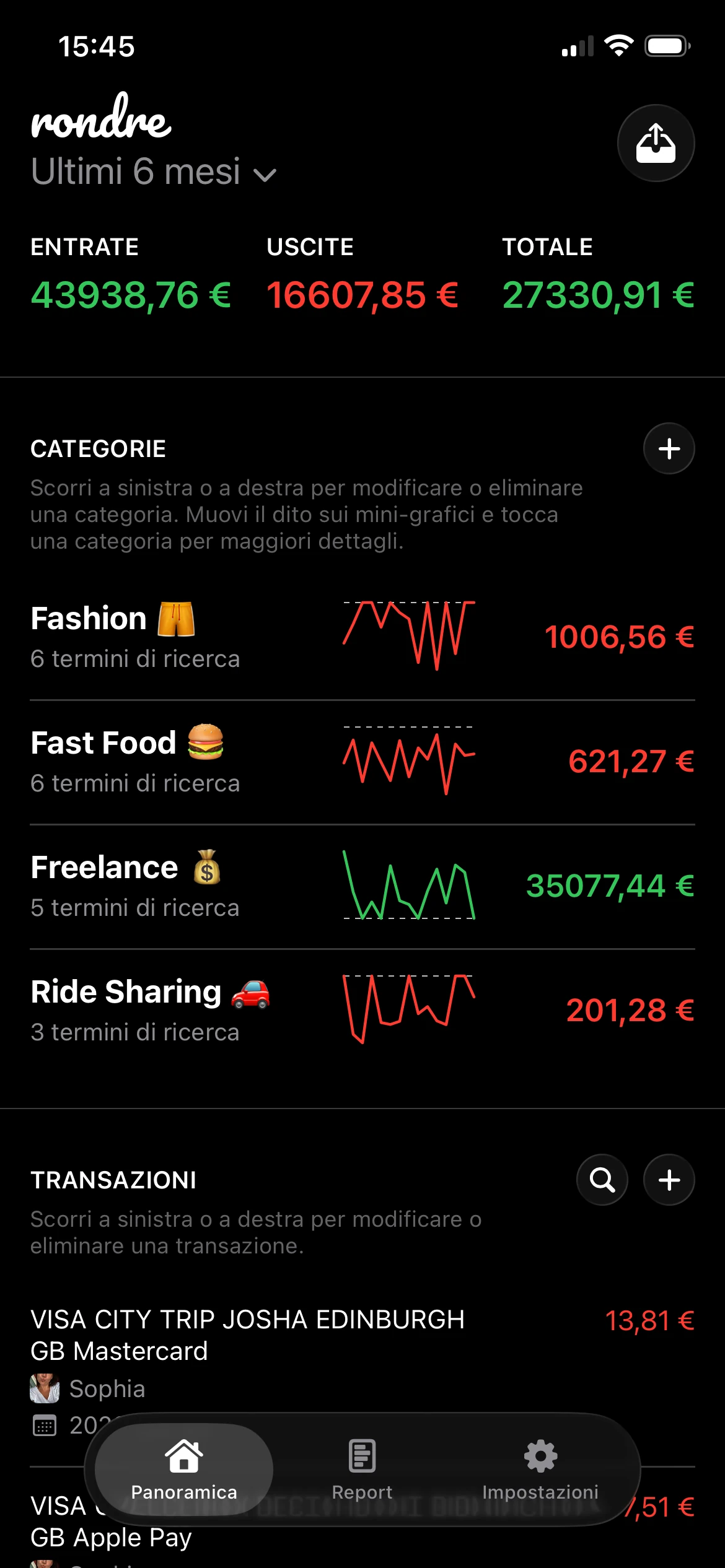
Se questo rapido controllo ha reso il quadro finanziario più chiaro, rondre è un passo successivo semplice per mantenere quella visibilità. Offre agli utenti iPhone un modo gratuito e privato per tracciare entrate e spese, organizzare le transazioni con categorie intelligenti, importare file CSV ed estratti conto bancari in PDF, cercare transazioni istantaneamente e condividere un libro con un partner o un familiare. Nessun account, nessuna registrazione, nessuna pubblicità e nessun tracciamento — il che rende facile iniziare a usarla come un pratico cruscotto del flusso di cassa invece dell'ennesima app che aggiunge complessità.