Parcourir des annonces immobilières peut donner une impression étrangement partagée en deux. Une moitié relève de l’enthousiasme. La cuisine bien lumineuse, la chambre supplémentaire, l’idée de peindre les murs sans demander l’autorisation à un propriétaire. L’autre moitié est une pure tension, car chaque annonce enregistrée pose la même question: comment cet apport initial pourra-t-il un jour être réuni?
Ce sentiment est courant, et ce n’est pas le signe qu’une personne gère mal son argent. Cela signifie généralement que l’objectif flotte encore comme un souhait, au lieu d’être construit comme un système. Une enquête de Bankrate sur l’apport initial a révélé que 41% des propriétaires actuels ont spécifiquement épargné pour l’apport initial et les frais de clôture de leur premier logement, tandis que 20% des aspirants propriétaires pensent qu’ils n’accumuleront jamais assez d’épargne. L’écart entre ces deux groupes ne tient pas seulement au revenu. Une grande partie repose sur la structure.
Épargner pour acheter une maison fonctionne mieux lorsque l’objectif cesse d’être une idée vague et devient un plan visible avec une cible, un calendrier et une routine. C’est encore plus important pour les couples, les freelances et toute personne qui jongle avec des dépenses irrégulières, car les objectifs à long terme s’effondrent lorsque personne ne peut voir clairement les progrès.
Table des matières
- Du rêve à l’apport initial: votre parcours d’épargne pour une maison
- D’abord les chiffres: calculez votre objectif total de fonds pour la maison
- Créez votre calendrier et votre taux d’épargne
- Trouvez l’argent dans votre budget
- Construisez votre système d’épargne et augmentez vos revenus
- Préparez la dernière ligne droite au-delà de l’apport initial
Du rêve à l’apport initial: votre parcours d’épargne pour une maison
Cela commence souvent de la même façon. Un couple met de côté quelques centaines de dollars un mois, rien le mois suivant, puis ajoute une somme plus importante après un remboursement d’impôt et appelle cela un progrès. Six mois plus tard, le solde du compte a bougé, mais l’objectif paraît toujours lointain, et l’élan s’essouffle.
Ce schéma n’est généralement pas un problème de connaissance. Les futurs acheteurs savent déjà qu’ils devraient dépenser moins et épargner davantage. La partie la plus difficile consiste à rester engagé dans un fonds pour la maison pendant des années, alors que le loyer augmente, que la voiture nécessite des réparations, que des amis se marient et que la motivation va et vient.
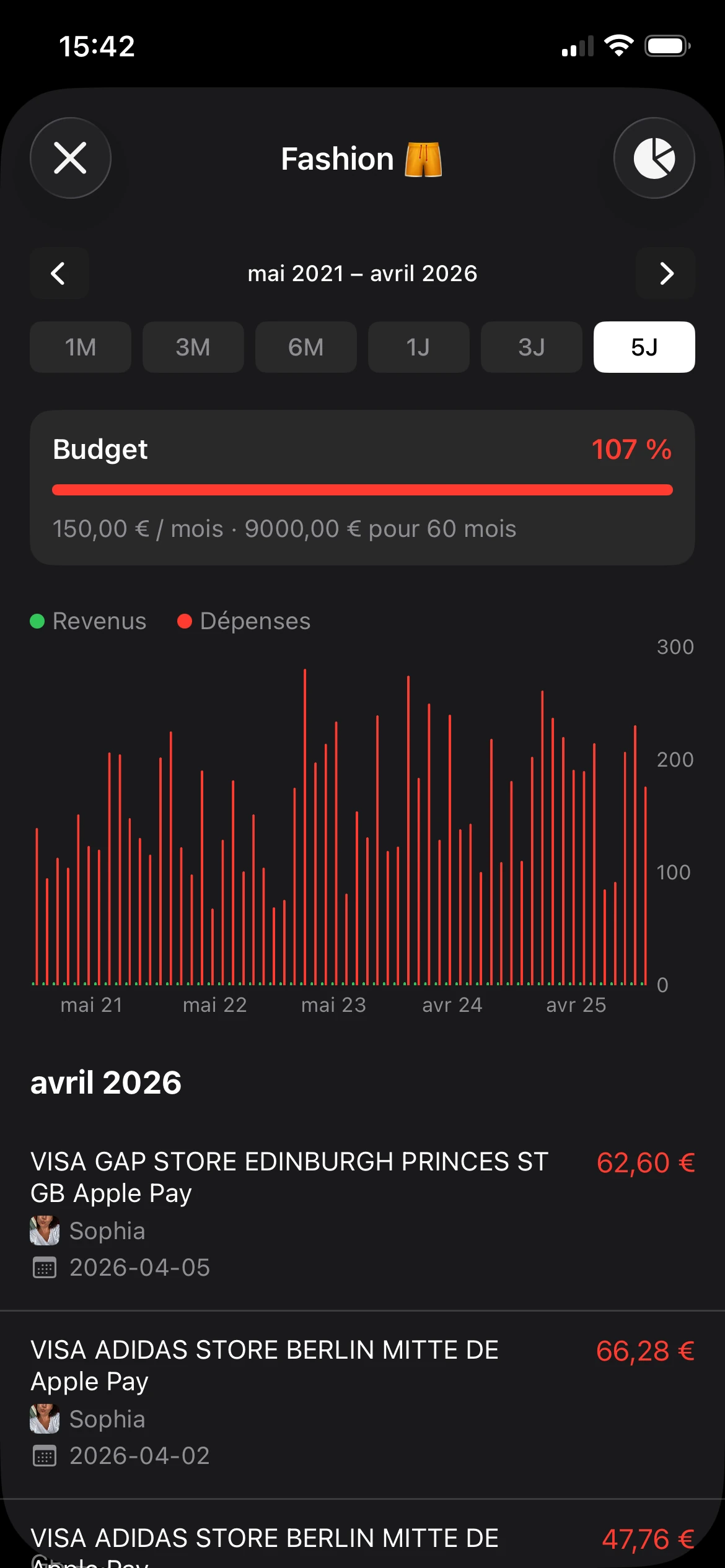
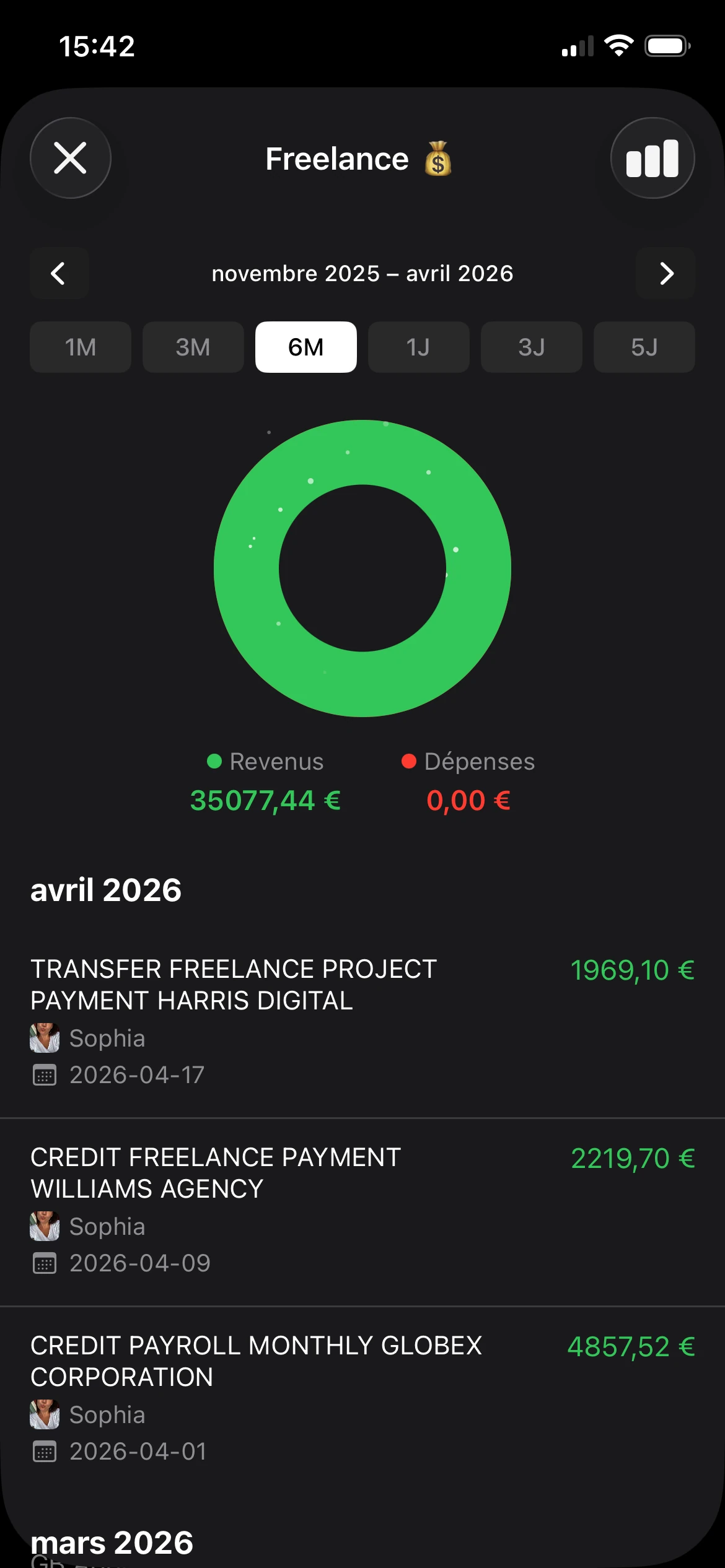
Un fonds pour la maison fonctionne mieux lorsqu’il est géré comme un projet partagé avec des points de contrôle visibles. Fixez la cible. Définissez le montant mensuel. Suivez le résultat à un seul endroit. Si vous épargnez avec un partenaire, les deux personnes doivent voir les mêmes chiffres et les mêmes jalons. Des outils comme rondre peuvent aider en transformant un objectif abstrait en quelque chose de concret: une barre de progression, des jalons nommés et une vue partagée de ce qui a déjà été fait et de ce qui doit encore être financé.
La différence entre l’espoir et un plan
Un acheteur parcourt des annonces le soir, enregistre des maisons hors de portée et ferme l’application avec le sentiment d’être en retard. Un autre acheteur garde un simple tableau de bord d’épargne, vérifie un chiffre chaque semaine et sait si le mois est sur la bonne voie.
Le deuxième acheteur a moins de décisions à prendre sur le moment. Et cela compte.
Règle pratique: Un fonds pour la maison ne devrait pas dépendre de ce qui reste à la fin du mois. L’argent restant finit par être dépensé.
Le suivi visible aide plus que les gens ne l’imaginent. Un objectif à long terme paraît pénible lorsque la seule question est: «Sommes-nous arrivés?» Il paraît plus gérable lorsque les questions deviennent plus petites: «Avons-nous effectué le virement de ce mois-ci?» «Sommes-nous en avance après cette prime?» «Sommes-nous assez proches pour nommer le prochain jalon?» Ce changement explique en partie pourquoi un système visuel fonctionne si bien. Il donne à l’épargnant la preuve que ses efforts s’accumulent, même avant que le chiffre final soit en vue.
Pourquoi la psychologie compte autant
Épargner pour une maison, c’est une question de calcul, mais aussi de comportement. Les acheteurs qui pensent être trop en retard arrêtent souvent complètement de vérifier leurs progrès. Ce pessimisme pose problème parce qu’il modifie le comportement. Les suivis manqués deviennent des virements sautés, et les virements sautés deviennent une année supplémentaire d’attente.
Une meilleure approche consiste à diviser le parcours en jalons visibles. Commencez par l’objectif total en espèces. Puis suivez le rythme mensuel. Ensuite, marquez les premières victoires, comme les premiers $5,000 épargnés ou les trois premiers mois consécutifs de contributions automatiques. Pour les couples, le suivi partagé ajoute de la responsabilité sans transformer chaque discussion budgétaire en débat. Les deux personnes peuvent voir si le plan tient, quelles catégories aident et quand il est temps d’ajuster.
L’objectif n’est pas une motivation constante. L’objectif est un système qui fonctionne encore lorsque la motivation est faible.
D’abord les chiffres: calculez votre objectif total de fonds pour la maison
Le moyen le plus rapide de rendre l’achat d’un logement impossible est d’épargner vers un chiffre qui n’a jamais été correctement calculé. Beaucoup d’acheteurs se concentrent uniquement sur l’apport initial et ignorent les autres besoins en liquidités qui apparaissent avant le jour de l’emménagement. Une meilleure approche consiste à créer un objectif total de fonds pour la maison qui inclut chaque dollar que l’achat exigera.

Commencez par le prix des maisons sur le marché qui compte
Les moyennes nationales peuvent fortement induire les gens en erreur. L’argent nécessaire pour acheter dans un État ou une ville peut être totalement déconnecté d’un autre endroit. Les données État par État de Norada Real Estate sur l’épargne pour un logement montrent à quel point cet écart peut être large. Épargner pour un apport initial de 20% prend 28 ans et 10 mois à Hawaï pour un logement médian évalué à $846,400, tandis que le Wyoming nécessite 1 an et 11 mois pour un logement médian au prix de $298,700. La Californie se situe à 10 ans et 6 mois pour une valeur médiane de logement de $725,800.
Cela signifie que la bonne première étape n’est pas: «Combien coûtent les maisons en Amérique?» C’est plutôt: «Combien coûtent les types de logements que cet acheteur envisagerait dans les quartiers où il vivrait?»
Une façon simple de répondre consiste à suivre les annonces pendant plusieurs semaines et à noter les prix des logements qui répondent aux besoins de base. Pensez en termes de réalité, pas d’annonces fantaisistes.
Constituez un fonds complet pour la maison, pas seulement un apport initial
Le fonds pour la maison comporte généralement trois parties:
| Partie du fonds | Ce qu’elle couvre | Comment l’envisager |
|---|---|---|
| Apport initial | La contribution initiale en capital | Un apport plus élevé réduit la pression des futurs paiements, mais implique généralement une période d’épargne plus longue |
| Frais de clôture | Les frais liés à la finalisation de l’achat | Ces liquidités sont faciles à oublier et peuvent faire dérailler le calendrier si elles sont ignorées |
| Réserve de liquidités | L’argent restant après la clôture | Elle protège l’acheteur contre le besoin d’utiliser immédiatement le crédit pour des réparations ou des surprises liées au déménagement |
Le montant exact de chaque partie dépend du prêt, du marché et de la tolérance personnelle au risque. Les acheteurs devraient donc travailler avec de véritables estimations de prêteurs et des annonces locales actuelles plutôt qu’avec des raccourcis trouvés sur Internet.
Un objectif d’apport initial sans réserve est fragile. L’accession à la propriété commence mieux lorsque l’acheteur conserve une marge de manœuvre après la clôture de la transaction.
Une formule pratique à utiliser
Ce cadre à remplir garde l’objectif concret:
- Prix cible du logement basé sur le marché de l’acheteur
- Montant de l’apport initial basé sur la stratégie de prêt
- Frais de clôture estimés issus du prêteur ou d’estimations d’achat locales
- Réserve après achat pour les réparations, les frictions liées au déménagement et les premières surprises de la propriété
Puis additionnez-les:
Objectif total du fonds pour la maison = Apport initial + Frais de clôture + Réserve de liquidités
Ce total est le véritable chiffre à viser. Il peut sembler plus élevé au départ, mais il est plus utile parce qu’il reflète l’ensemble de la transaction au lieu de se limiter à la partie dont on parle le plus.
Créez votre calendrier et votre taux d’épargne
Un objectif d’épargne sans échéancier reste abstrait. Le calendrier transforme un fonds pour la maison en tâche mensuelle. Il impose aussi un compromis utile: une date d’achat plus rapide exige un taux d’épargne plus élevé, tandis qu’une contribution mensuelle plus faible signifie attendre plus longtemps.
Utilisez une formule simple
Le calcul de base est simple:
Objectif total du fonds pour la maison ÷ Épargne mensuelle = Mois nécessaires pour épargner
C’est tout. La formule est simple, mais la décision qu’elle crée ne l’est pas. Si le montant mensuel est trop ambitieux, le plan échoue généralement par épuisement. S’il est trop faible, l’objectif dérive pendant des années et commence à sembler inutile.
Quelques exemples montrent comment ce compromis fonctionne:
| Objectif total | Calendrier | Épargne mensuelle nécessaire |
|---|---|---|
| $60,000 | 3 ans | Environ $1,667 par mois |
| $60,000 | 5 ans | $1,000 par mois |
| $60,000 | 7 ans | Environ $714 par mois |
Aucune de ces options n’est automatiquement la bonne. La meilleure est celle qu’un foyer peut maintenir pendant les mois irréguliers, pas seulement pendant les mois idéaux.
Choisissez un rythme capable de résister à la vraie vie
Une erreur courante consiste à bâtir le plan autour d’un mois parfait. Les mois parfaits ne durent pas. Les loyers changent. Des amis se marient. Des frais médicaux apparaissent. Le travail ralentit. Le meilleur test consiste à vérifier si l’objectif d’épargne mensuelle fonctionne encore pendant un mois moyen.
C’est pourquoi un acheteur devrait décider du calendrier après avoir examiné les flux de trésorerie réels, pas avant. Si un plan exige des coupes extrêmes pour toujours, il ne tiendra probablement pas.
Considérez ces critères de décision:
- Si la vitesse compte le plus, l’acheteur peut accepter un mode de vie plus serré pendant une période plus courte.
- Si la flexibilité compte le plus, un calendrier plus long peut être plus sage, car il laisse de la place aux imprévus.
- Si le revenu est variable, utiliser un objectif mensuel de base avec des dépôts supplémentaires optionnels peut réduire le stress.
Un calendrier réaliste est plus puissant qu’un calendrier inspirant. Les acheteurs atteignent la ligne d’arrivée avec des plans qu’ils peuvent répéter.
Nommer la date a aussi une valeur émotionnelle. «Un jour» invite au report. «Ce fonds doit être prêt dans cinq ans» crée une norme à laquelle les choix mensuels peuvent être comparés.
Trouvez l’argent dans votre budget
Épargner pour une maison ne se fait généralement pas grâce à un seul sacrifice spectaculaire. Cela se fait en découvrant l’argent dispersé dans les habitudes, les abonnements, les dépenses de confort et les choix par défaut coûteux. La clé est d’arrêter de chercher des sources de culpabilité et de commencer à chercher des schémas.

Cherchez des catégories, pas des sources de culpabilité
Les acheteurs perdent souvent du temps à attaquer les petites dépenses parce qu’elles sont visibles. Le café occasionnel se remarque. La catégorie de dépenses récurrente qui dépasse le budget chaque mois sans être observée est généralement là où se trouvent les fonds importants.
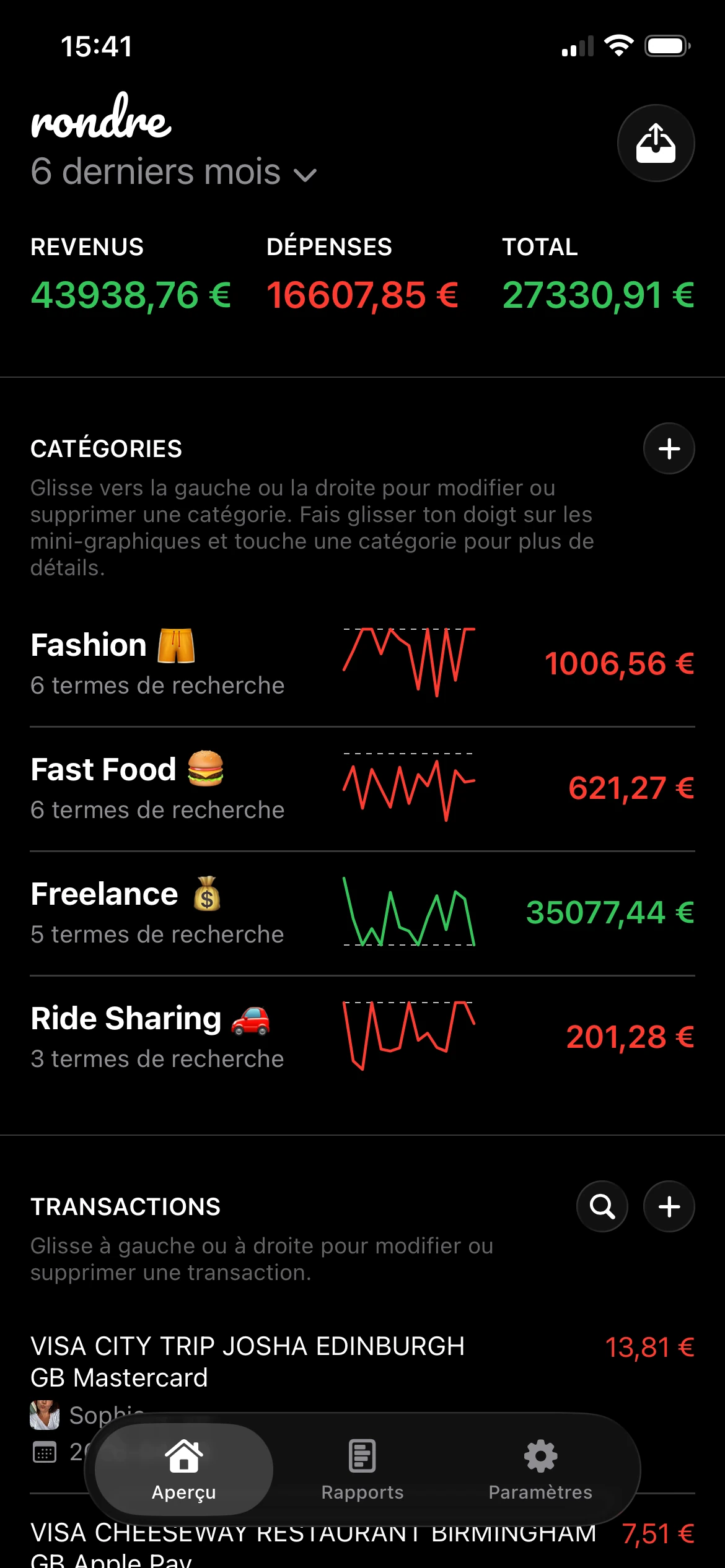
Une analyse plus solide commence par plusieurs mois d’historique de transactions. Les relevés bancaires importés, l’activité des cartes et les noms de commerçants consultables facilitent la détection de tendances que la mémoire manquerait. Une fois les dépenses regroupées par catégorie, la question devient simple: quelles catégories absorbent régulièrement de l’argent dont le futur fonds pour la maison a davantage besoin?
Ce changement compte. Il ne s’agit pas de punition. Il s’agit de réaffecter l’argent de dépenses de moindre valeur vers un objectif beaucoup plus prioritaire.
Analysez d’abord les grosses dépenses
L’épargne pour une maison progresse généralement plus vite lorsque l’acheteur examine d’abord les trois grands postes: logement, transport et alimentation.
- Coûts de logement: Le loyer peut être fixe à court terme, mais les renouvellements, les décisions de colocation et le calendrier du bail peuvent modifier considérablement la trajectoire d’épargne.
- Transport: Les mensualités de voiture, l’assurance, le stationnement, le carburant et l’entretien peuvent grignoter un fonds pour la maison sans grande visibilité quotidienne.
- Dépenses alimentaires: Les restaurants, les plats à emporter, les déjeuners au travail et les courses de confort créent souvent plus de dérive que prévu.
Ces catégories sont puissantes parce que même des améliorations modestes peuvent libérer des liquidités mensuelles significatives. Les petites coupes comptent moins que les changements structurels.
Éliminez les fuites récurrentes
Après les grandes catégories, le travail suivant consiste à éliminer le gaspillage récurrent. Beaucoup d’acheteurs y trouvent des gains rapides.
- Abonnements inutilisés: Services de streaming, renouvellements d’applications, adhésions et frais annuels qui ne correspondent plus à l’utilisation réelle
- Factures gonflées: Assurances, forfaits téléphoniques et offres Internet qui n’ont jamais été renégociés
- Dépenses de confort impulsives: Livraisons rapides, achats additionnels et dépenses numériques habituelles qui semblent petites isolément
Un audit des abonnements vaut la peine d’être fait ligne par ligne. Il en va de même pour appeler les fournisseurs et demander les options actuelles. Réduire une facture récurrente une seule fois peut aider chaque mois par la suite.
Les meilleures coupes budgétaires ne sont pas les plus douloureuses. Ce sont celles qui éliminent des dépenses que l’acheteur valorise à peine.
C’est aussi le moment où un acheteur doit être honnête sur les compromis. Garder tout le confort et s’attendre malgré tout à un calendrier rapide ne fonctionne généralement pas. À l’inverse, essayer de vivre dans une privation totale entraîne souvent des dépenses de rebond. Le juste milieu durable est un resserrement sélectif. Gardez ce qui compte. Coupez ce qui est automatique, gonflé ou oubliable.
Construisez votre système d’épargne et augmentez vos revenus
Un bon plan pour la maison a besoin à la fois de défense et d’attaque. La défense consiste à protéger l’argent avant qu’il soit dépensé. L’attaque consiste à créer plus d’argent à diriger vers l’objectif. La plupart des acheteurs se concentrent trop sur la première et pas assez sur la seconde.

Rendez l’épargne automatique et visible
Le fonds pour la maison devrait être placé sur un compte d’épargne séparé afin que l’argent reste distinct des factures, des dépenses quotidiennes et de l’épargne d’urgence. La séparation réduit la tentation de traiter le fonds comme de l’argent disponible.
Ensuite, l’acheteur devrait automatiser les contributions. C’est plus important qu’on ne le reconnaît souvent. Des recherches sur le comportement d’épargne contractuelle montrent que les foyers ayant des obligations qui fonctionnent comme une épargne forcée accumulent de la richesse plus vite, et que suivre l’objectif visuellement peut doubler la probabilité de l’atteindre. La même recherche note aussi que, pour les foyers gagnant moins de $100,000 par an, augmenter le revenu est 3 à 4 fois plus efficace que réduire les dépenses.
Cela mène à une configuration pratique:
- Ouvrez un compte d’épargne dédié au fonds pour la maison.
- Planifiez des virements automatiques hebdomadaires ou toutes les deux semaines.
- Définissez le montant du virement de manière à imiter autant que possible un futur paiement de logement, dans la limite de ce que le budget peut supporter.
- Suivez les progrès dans un endroit visible, pas mentalement.
Les virements hebdomadaires fonctionnent souvent bien parce qu’ils réduisent la sensation d’un gros choc mensuel. Ils créent aussi davantage de répétition, ce qui aide le comportement à s’ancrer.
Utilisez un suivi partagé si plusieurs personnes sont impliquées
Les couples disent souvent qu’ils épargnent ensemble alors qu’ils veulent en réalité dire que les deux personnes espèrent que cela fonctionnera. Ce n’est pas la même chose qu’un système partagé.
Un plan pour la maison devient plus solide lorsque les deux personnes peuvent voir la même cible, les mêmes contributions et les mêmes compromis. Le suivi partagé réduit les suppositions et diminue les conversations vagues comme «Est-ce qu’on s’en sort bien?» Il les remplace par des faits visibles.
Les habitudes utiles pour les couples incluent:
- Créer un fonds pour la maison clairement nommé: Un libellé clair garde l’objectif séparé des voyages, des fêtes et de l’épargne générale.
- Examiner les progrès selon un calendrier: Une fois par semaine suffit souvent pour rester alignés sans transformer le sujet en négociation constante.
- Se mettre d’accord sur des récompenses de jalons: De petites célébrations aident à éviter la fatigue émotionnelle que peuvent créer les objectifs longs.
- Définir des règles de dépenses: Décidez à l’avance de ce qui est hors limites tant que le fonds est actif.
Pour les acheteurs qui aiment davantage de structure, un défi des enveloppes imprimable peut fonctionner comme système secondaire pour les rentrées exceptionnelles, les heures supplémentaires ou les revenus additionnels irréguliers. Il est moins important que l’automatisation, mais il peut ajouter de l’élan.
Le revenu est souvent le véritable accélérateur
Réduire les dépenses peut aider. La croissance du revenu change le calendrier.
Une personne qui essaie d’épargner pour une maison devrait examiner sérieusement les options de revenus compatibles avec ses compétences actuelles et son emploi du temps. Les meilleures options sont généralement celles qui peuvent être répétées, pas les plus originales.
Une courte comparaison aide:
| Option | Pourquoi elle fonctionne | À surveiller |
|---|---|---|
| Négociation d’augmentation | Améliore les flux de trésorerie mensuels sans ajouter un deuxième emploi | Nécessite de la préparation et un bon timing |
| Travail freelance | Les revenus de projet peuvent aller directement dans le fonds pour la maison | Le revenu peut être irrégulier |
| Travail à temps partiel | Revenus supplémentaires prévisibles | Peut provoquer de l’épuisement s’il dure trop longtemps |
| Vente d’objets inutilisés | Génère rapidement de l’argent et réduit l’encombrement avant un déménagement | Utile généralement une fois, pas de façon répétée |
L’épargnant pour une maison n’a pas besoin de toutes les tactiques. Une amélioration durable du revenu plus une routine d’épargne automatisée sont souvent plus efficaces qu’une longue liste de règles budgétaires que personne ne suit.
Préparez la dernière ligne droite au-delà de l’apport initial
À mesure que le fonds se rapproche de l’objectif, le travail change. Il ne s’agit plus seulement d’accumuler. Il s’agit de rester prêt pour le prêt immobilier. Un acheteur peut bâtir une épargne solide et tout de même affaiblir sa demande en gérant mal le crédit, les documents ou les flux de trésorerie dans la dernière ligne droite.

Protégez la demande de prêt immobilier avant même qu’elle ne commence
Les prêteurs veulent une situation financière claire et compréhensible. Cela signifie que l’acheteur devrait éviter de contracter de nouvelles dettes, de manquer des paiements ou d’effectuer de gros mouvements de liquidités inexpliqués juste avant de déposer une demande.
Quelques habitudes comptent ici:
- Payez chaque facture à temps: La constance compte plus que l’ingéniosité.
- Gardez une activité de crédit calme: N’ouvrez pas de comptes inutiles et ne financez pas d’achats importants avant l’analyse du dossier.
- Ne touchez pas au fonds pour la maison: Une fois l’argent affecté à cet objectif, il ne devrait plus fonctionner comme réserve de dépenses.
Créez tôt une checklist pour la clôture
La dernière ligne droite se passe plus facilement lorsque les documents sont rassemblés avant que quelqu’un les demande.
Un acheteur devrait organiser des éléments comme:
- Justificatifs de revenus: Bulletins de salaire ou preuve de revenus réguliers
- Documents fiscaux: Déclarations et dossiers associés
- Relevés bancaires: Preuves claires des fonds disponibles
- Documents relatifs aux dettes: Obligations existantes et détails de paiement
- Pièces d’identité et documents d’achat: Les éléments de base qui ont tendance à créer de la précipitation de dernière minute s’ils sont laissés trop tard
C’est aussi le bon moment pour poser aux prêteurs des questions directes sur les liquidités attendues à la clôture, les normes de documentation et les délais. La clarté réduit les surprises.
Gardez une motivation stable à l’approche de la ligne d’arrivée
Ce qui est étrange avec l’épargne à long terme, c’est que la phase finale peut sembler plus difficile que le début. Le solde du compte est plus élevé, les progrès paraissent plus lents et il devient tentant de se relâcher. C’est exactement là que le suivi visuel aide le plus. Des recherches comportementales mises en avant par Zillow suggèrent que le suivi visuel des progrès et la célébration des jalons améliorent l’adhésion à long terme à l’épargne, en particulier sur la longue période requise pour constituer un apport initial.
Ce principe est pratique, pas superficiel. Les acheteurs qui peuvent voir la ligne d’arrivée ont tendance à mieux protéger l’argent. Les jalons comptent parce qu’ils rendent les progrès réels avant l’arrivée du jour de clôture.
Une checklist finale utile ressemble à ceci:
- Gelez l’inflation du mode de vie jusqu’à ce que l’achat soit terminé.
- Gardez l’épargne visible afin que la cible ne devienne pas floue.
- Préparez les documents tôt au lieu de les rassembler sous pression.
- Protégez le crédit et les flux de trésorerie comme si la demande avait déjà commencé.
La première étape n’a pas besoin d’être spectaculaire. Elle doit simplement se produire aujourd’hui.
Une prochaine action pratique consiste à commencer à suivre l’objectif en un seul endroit. rondre offre aux utilisateurs d’iPhone un moyen gratuit et privé d’enregistrer les transactions, d’organiser les dépenses avec des catégories intelligentes, d’importer des fichiers CSV et des relevés bancaires PDF, et de partager un livre avec un partenaire ou un membre de la famille. Pour toute personne sérieuse au sujet de la façon d’épargner pour une maison, l’action la plus simple consiste à le télécharger, à créer un livre appelé Ma future maison, à entrer l’objectif et à commencer à voir les progrès devenir visibles.